admin
admin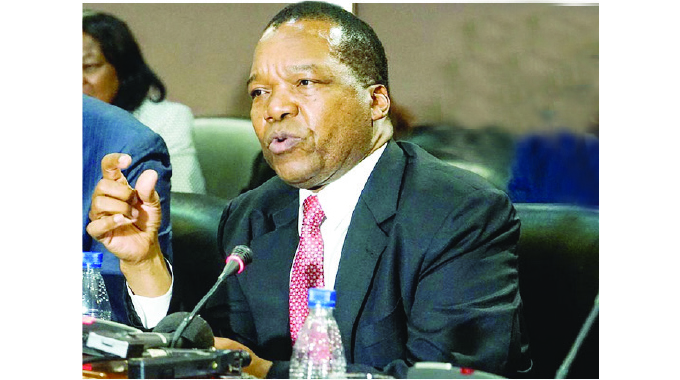
Nqobile Bhebhe, [email protected]
THE microfinance sector which registered a 596,83 percent increase in aggregated equity from $35,91 billion as at December 31, 2022 to $250,23 billion as at June 30, 2023 continues to contribute towards the attainment of Zimbabwe’s 2030 Vision of an upper middle-income Society.
In his Mid-Term Monetary Policy Review Statement issued on Wednesday last week for the period ended June 30, Reserve Bank of Zimbabwe (RBZ) Governor, Dr John Mangudya said the microfinance sector in Zimbabwe is increasingly considered a key instrument in the implementation of effective and sustainable strategies aimed at poverty alleviation and inclusive economic development.
He said on aggregate, the sector registered growth in all the main performance indicators over the review period, including loan portfolio, capitalisation level, profitability and deposits mobilisation by the deposit-taking microfinance subsector.
As at June 30, 2023 there were 216 registered microfinance institutions comprising 208 credit-only and eight deposit-taking.
The microfinance sector registered a 596,83 percent increase in aggregated equity from $35,91 billion as at December 31, 2022 to $250,23 billion as at June 30, 2023.
“The increase was attributed to organic growth and fresh capital injection by some microfinance institutions,” said Dr Mangudya.
On capitalisation of the deposit-taking Microfinance Institutions, in the period under review, three out of seven operating DTMFIs were compliant with the minimum capital requirement of $5 million and these were African Century Limited, InnBucks Microbank and Success Microfinance Bank.
The non-compliant DTMFIs are at various stages of capital raising initiatives and they continue to submit on a quarterly basis, updates on their re-capitalisation initiatives.
“As at 30 June 2023, the aggregate core capital for the DTMFI sub-sector was $131,32 billion, a significant increase from $29,49 billion as at December 31, 2022. The increase was largely driven by fresh capital injections as well as organic growth.
“A total of 170 out of 208 credit-only microfinance institutions were compliant with the minimum capital requirements of ZW$ equivalent of US$25 000.”
Dr Mangudya noted that the non-compliant credit-only microfinance institutions are putting in place re-capitalisation strategies to comply with the requirements and to facilitate the underwriting of more meaningful businesses.
Total loans for the microfinance sector increased by 672,66 percent from $46,01 billion as at 31 December 2022, to $355,50 billion as at June 30, 2023.
In the period under review, the microfinance sector registered significant progress with aggregate net profit of $145,52 billion for six months ended 30 June 2023, from $4,93 billion recorded during the comparable period in 2022.
The increase, which exceeded the annual inflation of 175,8 percent as at June 30, 2023, was largely attributed to improved operational efficiency as reflected by an improvement in the average operational self-sufficiency (OSS) ratio to 230,39 percent for the six months ended 30 June 2023 from 202,5 percent registered in the comparative period in 2022, against the international benchmark of 100 percent.
Aggregate deposits for the deposit-taking microfinance sub-sector increased by 456,89 percent from $9,58 billion as at 31 December 2022, to $53,35 billion as at June 30, 2023.
Dr Mangudya said while the deposit levels remain low, the trend in the level of deposits in the sector reflects growing consumer confidence in the sector.
Meanwhile, Dr Mangudya said the proposed Microfinance Regulations now await gazetting.
The draft Microfinance Regulations are aimed at operationalising certain sections of the Microfinance Act including minimum capital, shareholding limits and asset quality requirements.
Additional proposals are being made to shareholding and governance regulatory framework to provide different thresholds for credit-only institutions which are usually financed through entity’s shareholders as opposed to institutions that are funded through deposit-taking.
The Central Bank, in liaison with the Deposit Protection Corporation, has completed the drafting of the enhanced legal framework for bank resolution and crisis management.



 Online Reporter