Patrick Chitumba, [email protected]
THE Midlands Province has set its sights on achieving an average annual economic growth rate of seven percent over the next five years, in line with Vision 2030, Minister of State for Midlands Provincial Affairs and Devolution, Owen Ncube, has said.
Regarded as Zimbabwe’s economic heartland due to its rich mineral deposits, industrial base, and thriving agricultural sector, the province has already recorded encouraging progress.
According to the Zimbabwe National Statistics Agency (Zimstat), the provincial economy grew by eight percent in 2021, 10,9 percent in 2022 and 4,7 percent in 2023 — translating to an average annual growth rate of 7.9 percent.
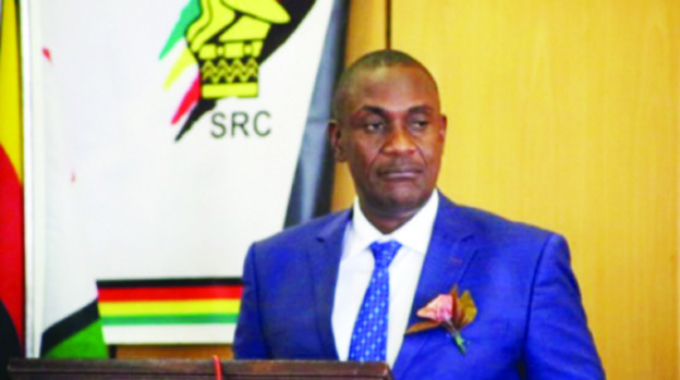
“The Midlands Province targets economic growth of an average of seven percent per annum for the period 2021-2030. Subsequently, the provincial economy grew by eight percent in 2021, 10.9 percent in 2022 and 4,7 percent in 2023, giving an average annual growth rate of 7,9 percent, which is indicative of a positive development trajectory,” said Minister Ncube.
The province’s food and nutrition security outlook has significantly improved, with maize production rising to 279 927 tonnes in the 2024/2025 season — a 388 percent increase from the 55 761 tonnes harvested in 2023/2024.
Minister Ncube attributed the turnaround to the Presidential Input Programme and the National Enhanced Agricultural Productivity Scheme, supported by CBZ and AFC Holdings.
Midlands also plays a major role in the livestock sector, boasting a cattle herd of 983 871 — 17.1 percent of the national herd — and supplying 24,1 million litres of raw milk annually, which accounts for 21 percent of the national output.

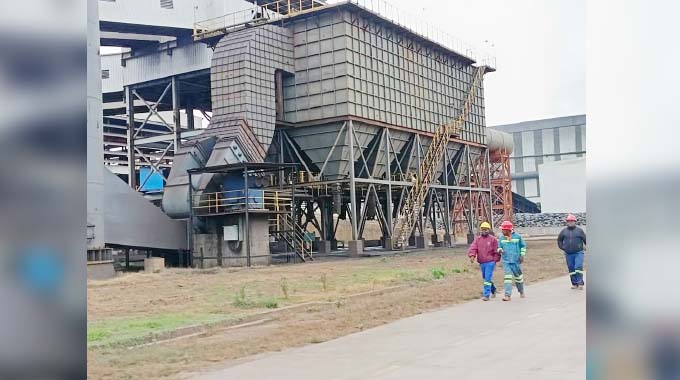
The provincial economy is anchored by mining activities in Kwekwe, Zvishavane and Shurugwi, where gold, chrome and platinum form the backbone of production. The recent establishment of the Dinson Iron and Steel Company in Manhize, Chirumanzu District, has become a game-changer for economic growth in the province. Industrial players such as Bata Shoe Company have also benefitted from anti-smuggling measures, with the firm’s capacity utilisation rising from 27 percent in December last year to 45 percent this year.
The province is actively participating in the Second Republic’s anti-smuggling drive, which has seen roadblocks mounted in partnership with the Zimbabwe Revenue Authority (Zimra), penalties imposed for contraband and crackdowns on illegal imports.
On human capital development, Minister Ncube said 52 new schools were registered this year, while Gokwe North Nursing School welcomed its first intake on September 8.
The province also certified 1 096 artisans, boosting skills for industrial absorption, while 789 708 children benefitted from the Beam Education Support Programme.
Drug and substance abuse remains a challenge, but the province has taken bold steps to address it. The Kwekwe City Council Drug and Substance Abuse Rehabilitation Centre is now operational, serving outpatients.
“So far, police have raided 54 drug dealer bases, confiscating 103.68kg of dagga, 92,5g of crystal meth and nearly 38 litres of Broncleer, alongside machetes and smoking apparatus,” said Minister Ncube.
He added that a total of 482 suspects have been arrested in connection with drug-related crimes, while 676 healthcare workers and 623 village health workers have been trained in drug management and rehabilitation. Awareness campaigns have already reached more than 29 000 people.
Minister Ncube said that beyond policing, the province is mobilising resources to sustain growth and address social challenges through devolution.
A provincial resource mobilisation inception meeting was held in August, bringing together the business community and local authorities.
“The province opened its drug and substance abuse programme account with CBZ. We appeal for more support to ensure rehabilitation and strengthening of centres identified by districts,” said Minister Ncube.
Midlands’ growth strategy mirrors the Second Republic’s Vision 2030, which seeks to transform Zimbabwe into an upper-middle-income economy.
With its mineral wealth, agricultural revival, industrial recovery and devolution projects, Minister Ncube said the Midlands Province remains a key driver of national prosperity.