admin
admin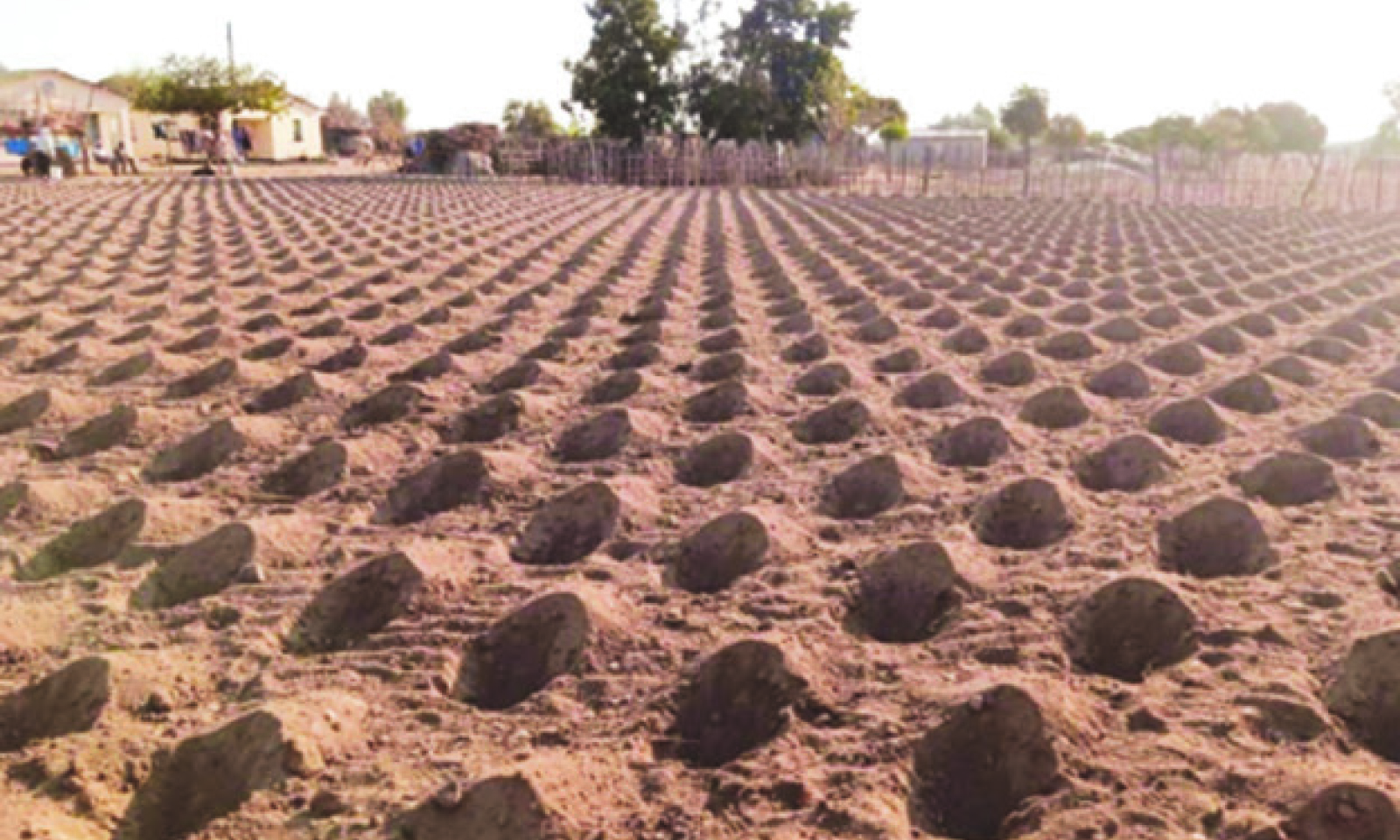
Patrick Chitumba
Midlands Bureau
Midlands has recorded significant progress under the Pfumvudza/Intwasa programme, with over 1, 3 million plots prepared, spanning 85 433 hectares, a remarkable 50 percent increase from the 43 561 hectares prepared last year.
The programme, a Government-led initiative promoting climate-resilient agriculture, enhancing food security and with surpluses and cash crops converting substance smallholder farms into businesses.
It has been a major factor in driving sustainable agricultural development across the country. It is a vital initiative for boosting agricultural productivity, boosting farm incomes and ensuring food security in Zimbabwe.
Midlands Provincial Director of Agricultural Rural Development and Advisory Services Ms Busiso Olga Mavankeni said over a million households managed to prepare three plots each, with around 90 000 farmers preparing up to five plots.
“Under the Pfumvudza/Intwasa update, a total of 1 369 117 plots have been prepared throughout the province to date, translating to 85 433 hectares compared to 43 561 hectares in 2024. This constitutes an increase of 50 per cent for 2025 compared to 2024.”
Ms Mavankeni said the planted plots were earmarked for cereals such as maize, sorghum, and pearl millet, as well as oilseeds like sunflower and legumes such as groundnuts and cowpeas.
“Planting in the Midlands Province was slightly delayed due to prolonged dry spells in November and December. However, effective rains were received in December , with some areas getting rainfall in January 2025. This delay is not ideal for medium to late-maturing maize varieties.”
To adapt, farmers are being encouraged to plant short-season varieties of sorghum and take advantage of the planting window for sunflower, beans, and sweet potatoes.
Ms Mavankeni noted that cereal crops planted in October are at an early reproductive stage, with conditions ranging from fair to very good.
“Some crops were affected by heat stress and are in fair to good condition, while those planted under irrigation are in good to very good condition. Replanted cereal crops are at the early vegetative stage and are in good condition,” she said.
To ensure optimal crop growth, Ms Mavankeni advised farmers to apply top-dressing fertiliser in split applications to prevent nutrient leaching, particularly in sandy soils.
She also warned of the potential for high fall armyworm infestations due to the wet and warm conditions experienced in the province since late December 2024.



 Online Reporter