Online Reporter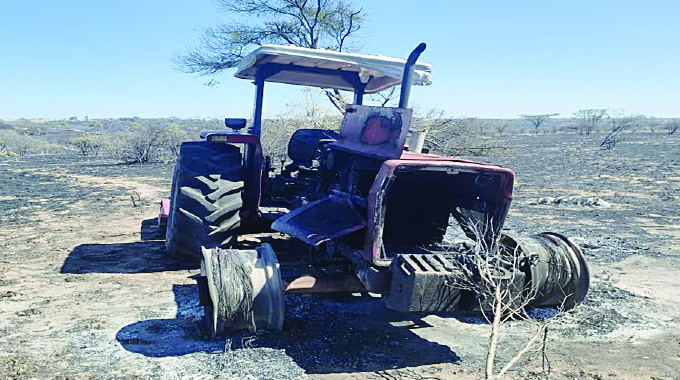
Midlands Bureau
THE Midlands Province recorded a slight decline in veld fires last year, with approximately 70 000 hectares of land affected, compared to over 80 000 hectares in the previous year.
This was revealed by the Minister of State for Midlands Provincial Affairs and Devolution, Owen Ncube, who urged the public to remain vigilant and prevent the outbreak of fires that can destroy pastures, property, and, in severe cases, result in the loss of human and livestock lives.
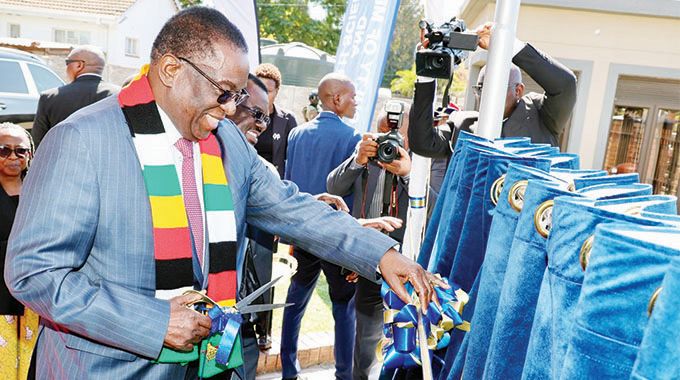
In a statement marking the launch of the 2025 National Fire Awareness Week, Minister Ncube emphasised the importance of preventing the ignition of fires.
“In the 2024 fire season, a total of 70 636 hectares were destroyed by veld fires in the Midlands Province. This marks a significant reduction compared to the 2023 season, when 84 915 hectares were lost.
“The decrease in burnt area is largely attributed to the El Niño effect,” he said.
Minister Ncube disclosed that Ward 15 in the Somabhula area had been the most affected by veld fires for two consecutive years. He described the trend as concerning and called on stakeholders to develop effective veld fire suppression strategies targeting this hotspot.
“Chirumanzu, Shurugwi, Kwekwe, Gokwe North, and Gokwe South are other fire-prone districts in the province. As we prepare for this year’s fire season, we must consider the 2025 veld fire risk prediction model, which indicates that the country is generally at high risk (43 percent) to medium risk (27 percent) of veld fires,” said Minister Ncube.
He noted that veld fires have increasingly become a national concern due to their destructive nature, with vast tracts of land being destroyed annually, depriving wildlife and livestock of essential pastures. In some instances, he said, people are left counting their losses after losing valuable property.
“These losses negatively impact the economy. Fires also contribute to biodiversity loss, land degradation, food insecurity, and greenhouse gas emissions,” he said.
Minister Ncube said that the launch of the 2025 fire season serves as a reminder of the need to intensify efforts in constructing fireguards and reducing biomass.
He expressed concern over the lack of preparedness among many farmers in fire-prone areas such as Somabhula.
“This is worrying, especially in light of the predicted fire risk. We must begin implementing adequate fire prevention measures on our properties and within communities. These include constructing internal and boundary fireguards free of flammable material, reducing biomass through hay baling, and establishing well-equipped firefighting teams,” said Minister Ncube.
He stressed that early implementation of fire pre-suppression measures is crucial, particularly given the increase in biomass following the significant rains received during the 2024/25 farming season.
Minister Ncube also highlighted the importance of robust awareness and capacity-building programmes in fire-prone wards.
“We need to harness local knowledge and expertise to develop inclusive strategies for preventing veld fires,” he said.
The theme for this year’s veld fire campaign is “Prevent Veld Fires — Protect Our Environment,” underscoring the importance of safeguarding Zimbabwe’s natural and cultural heritage from the threat of veld fires.