


 Vusumuzi Dube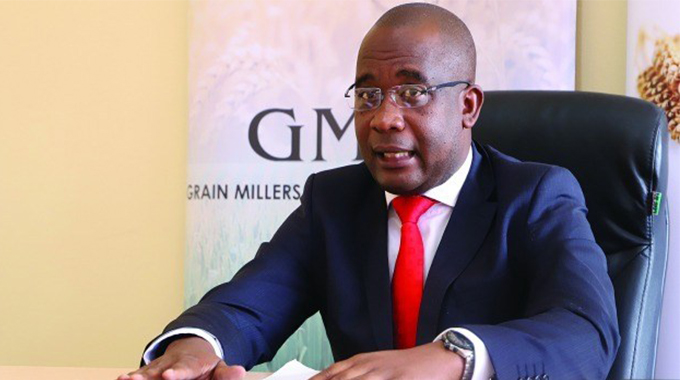
Judith Phiri, Business Reporter
THE Grain Millers Association of Zimbabwe (GMAZ) has said local millers can utilise the opportunity that has arisen to supply mealie meal to Zambia which is currently facing an overwhelming demand.
According to an article published by Lusaka Times on 05 April, Zambia is experiencing a mealie meal shortage, which has prompted the government to take action.
“The Zambia Chambers of Commerce and Industry (ZACCI) is urging its members to take advantage of the government’s move to allow the importation of mealie meal and to utilise the quickened process related to the acquisition of import permits. This will help avert the situation and satisfy the overwhelming demand for mealie meal in the country.”
In an interview, GMAZ chairperson Mr Tafadzwa Musarara said this was an opportunity for local millers.
“This provides our local millers an opportunity to supply maize meal to Zambia. We, however, require export permits to export the same to Zambia,” said Mr Musarara.
GMAZ is the APEX representative body of the local large, medium and small-scale grain milling companies in Zimbabwe.
Zimbabwe is poised to record its largest-ever maize harvest this year, with preliminary assessments indicating that production could hit three million tonnes. The previous record maize haul was 2,95 million tonnes realised in 1984.
The country requires 2,2 million tonnes of maize for human and livestock consumption and the expected 3 million tonnes target will not only restore strategic reserves but also open doors to some exports.
According to the weekly update from the Agricultural and Rural Development Advisory Services directorate: “November planted crop is in good condition. The larger proportion of the 7 percent write-off crop was planted in most of January or after. Preparations for harvesting is ongoing, while harvesting has commenced in some parts for the early mid-November planted crop.”
Government programmes such as the Pfumvudza/Intwasa, the National Enhanced Agriculture Productivity Scheme (NEAPS), the Agriculture and Rural Development Authority (ARDA), and interventions by the private sector, are set to enhance production of all crops, which ensures greater food production, oil seed and tobacco production.
Meanwhile, preparations for the next summer cropping season, starting in the final months of this year, have started with the Government targeting a cereal production of 3,7 million tonnes to ensure national food and nutrition security, as well as ensuring farmers grow enough for their own family sustenance with some left over for sale.
In its state of preparedness report, the Ministry of Lands, Agriculture, Fisheries and Water and Rural Development indicated that this year, focus was on increased productivity.
Thus the 2023/24 target areas for the major crops have only been increased by 10 percent since the major thrust of the ministry is to increase production per unit area, rather than drastically expand the cultivated area.



 Bongani Ndlovu
 Online Reporter