admin
admin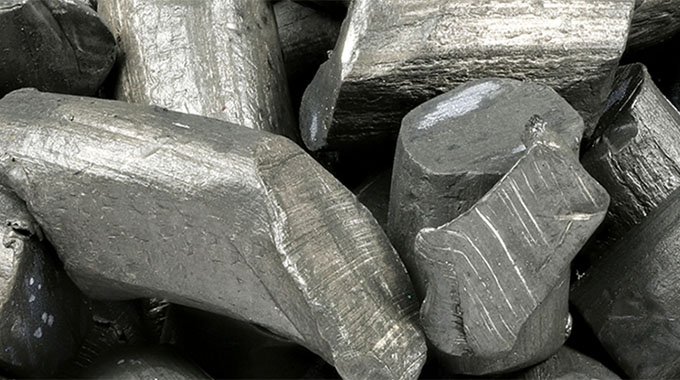
Golden Sibanda Senior Business Reporter
Prospect Resources Plc, which operates Zimbabwe’s brightest batteries lithium project near Harare has entered into a 90-day option agreement to acquire the Lipropeg Lithium Project in Bindura, as it seeks further growth of its resource base of the mineral in Africa.
This comes as lithium has gained global significance due to its growing use in the manufacture of electric vehicle batteries, as industrialised nations lead the charge towards reduced carbon emissions, as well as its use in lithium-ion batteries for home electronics and medicinal drugs.
Australia Stock Exchange (ASX) listed Prospect said it had signed the option agreement with local firm, Pegmaton Resources to acquire the Lipropeg Lithium Project 16 kilometres south east of Bindura. Prospect’s flagship project is the Arcadia lithium mine located 38 kilometres east of Harare. Arcadia will go into production next year and represents a globally significant hard rock lithium; focusing on near term production of petalite and spodumene concentrates.
The Australia listed firm is using its expertise gained at Arcadia in lithium exploration and geological modelling to focus its exploration targets in Zimbabwe and elsewhere in the region. It also intends to explore for lithium over an area within the 200 km radius of Arcadia.
“The discovery of further lithium mineralisation at the project would mean that the Lipropeg deposit would be a significant addition to Prospect Resource’s strategic lithium resource base in Africa. The company intends to commence its exploration programme immediately. The first phase will consist of mapping, soil and rock chip sampling and ground magnetics. The follow-up phase will be results driven, but likely consist of infill soil sampling followed by trenching, and then appropriate short hole RC percussion drilling,” Prospect said in a statement.
The five Lipropeg Lithium claims are within 2km to the south of Bindura, Mashonaland Central and on strike, of known historical small mines which include the Loch Ness, Bonnyvale and Ronspur. These historical mines were exploited in the 1960s for beryl, cassiterite and tantalum mineralisation, and were also reportedly substantially mineralised in fine-grained spodumene. Electric vehicles are about to reach tipping point in penetration, and as a result investment in battery technology and production is rising rapidly. China’s 2025 target is that over 20 percent of vehicle production in Asia’s largest economy will be EVs. Britain has 2040 deadline for all vehicle sales to be EVs and zero emissions from all cars by 2050.
France’s 2040 deadline is for all vehicle sales to be either EV or hybrid. This is driving demand for underlying battery raw materials including lithium (battery lithium demand has overtaken non battery lithium demand). On the back of these dynamics industry investment in battery production and its value chain is increasing.
Prospect is currently working on a pre-feasibility study for the lithium carbonate plant where a portion of its petalite production will be processed into EV batteries lithium carbonate.
Zimbabwe is the first and only African country to successfully set up a lithium-ion battery carbonate plant and is poised for a major and prominent role in the electric vehicles industry.
It is the fifth largest producer of Lithium on the planet (right after Australia, Chile, Argentina and China). Latest data available (2016) estimates annual production at the level of 900 tonnes.


 Online Reporter