Online Reporter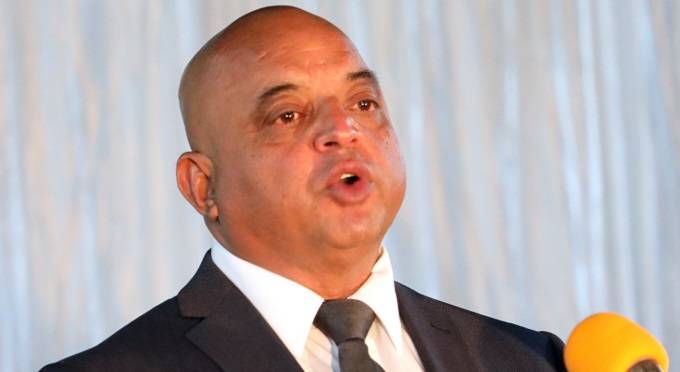
Gibson Mhaka [email protected]
MINING remains one of the key pillars underpinning Zimbabwe’s economic transformation, contributing significantly to employment creation, export earnings, industrialisation and foreign currency generation, Deputy Minister of Industry and Commerce Raj Modi has said.
Speaking during the signing of a Memorandum of Understanding (MoU) between Nigeria’s Festival of Black and African Arts and Culture (FESTAC Africa) and the Zimbabwe Indigenous Miners Association (ZIMA) in Bulawayo on Friday, Deputy Minister Modi said indigenous miners continued to play a strategic role in unlocking the country’s vast mineral wealth while supporting the Government’s industrialisation agenda.
The agreement seeks to deepen cooperation in trade, tourism, culture and investment ahead of the FESTAC Africa Renaissance Festival scheduled for September 21 to 26.
Deputy Minister Modi said Zimbabwe’s mineral resources remained central to economic development as they supplied raw materials required for manufacturing, infrastructure development and value addition.
“Mining remains one of the key pillars of Zimbabwe’s economy. It contributes significantly to employment, export earnings, industrial growth and foreign currency generation.
“It also provides the critical raw materials that support manufacturing, infrastructure development and value addition, while indigenous miners continue to play a vital role in unlocking our country’s mineral wealth,” he said.
He said the Government remained committed to creating an enabling environment that supports the growth and sustainability of indigenous mining enterprises.
“Today’s partnership demonstrates that economic development and culture go hand in hand. While our natural resources create opportunities for prosperity, our cultural heritage reflects our identity.”
Deputy Minister Modi said integrating mining with the creative economy would broaden opportunities for inclusive growth while advancing Vision 2030.
“By bringing mining and the creative arts together, we are promoting inclusive development and contributing to the achievement of Vision 2030.
“This collaboration also strengthens Zimbabwe’s ties with Nigeria, the rest of Africa and the global diaspora, while promoting trade, investment, tourism, innovation and people-to-people cooperation in the true spirit of African unity.”
He said the Government would continue promoting private sector investment, value addition and beneficiation, skills development, youth empowerment and increased participation of women in both the mining and creative sectors.
“I urge all stakeholders to ensure that today’s signing translates into practical programmes that create jobs, strengthen local industries and improve livelihoods. I also encourage the leadership of ZIMA and FESTAC to continue working closely with Government, industry and development partners so that this partnership delivers lasting and measurable benefits.”
Deputy Minister Modi said the Second Republic remained focused on building strategic partnerships that accelerate sustainable economic growth.
“Together, through collaboration, innovation and unity of purpose, we can realise the aspirations of Vision 2030 and build a prosperous nation that celebrates both its natural wealth and its rich cultural heritage.”
Also addressing delegates, African Foundation for Cultural Diplomacy (AFFCD) secretary-general Adv Pardon Tapfumaneyi said the partnership marked a new chapter in harnessing culture to support economic development.
“Today is a watershed moment. The signing we witness here between FESTAC and the Zimbabwe Indigenous Miners Association officially brings FESTAC home to Zimbabwe. It begins right here in Bulawayo, the City of Kings, the cultural heartbeat of our nation.”
Adv Tapfumaneyi said the 2026 FESTAC-ZIMA edition would deliberately connect culture with productive sectors of the economy.
“This edition is different. It is bold. It is intentional because culture does not live in isolation — it lives with our people, our land and our economy.”
He said the programme would culminate in a Mining Indaba aimed at finding practical solutions for indigenous miners.
“Why mining? Because today we confront a truth: culture and mining must intersect. Our minerals must build our people, not just our GDP. This summit will seek to address real challenges and come up with real solutions for our indigenous miners.”
Adv Tapfumaneyi said the initiative complemented Government efforts to empower local miners under the National Development Strategy 2 (NDS2).
“Government policy is clear. Through NDS2, the Second Republic is empowering local miners, putting ‘Nyika inovakwa nevene vayo, ilizwe lakhiwa ngabanikazi balo’ into action.”
He described the partnership as a practical demonstration of Pan-African cooperation.
“As we sign these documents today, we are not just signing a partnership. We are signing a commitment to the next 60 years of African renaissance. Bulawayo is ready. Zimbabwe is ready. Africa is watching.”
The FESTAC Africa Renaissance Festival is expected to bring together miners, investors, cultural practitioners, policymakers and entrepreneurs from across Africa, creating new opportunities for value addition, trade promotion, tourism and indigenous enterprise development.