daniel chigunwe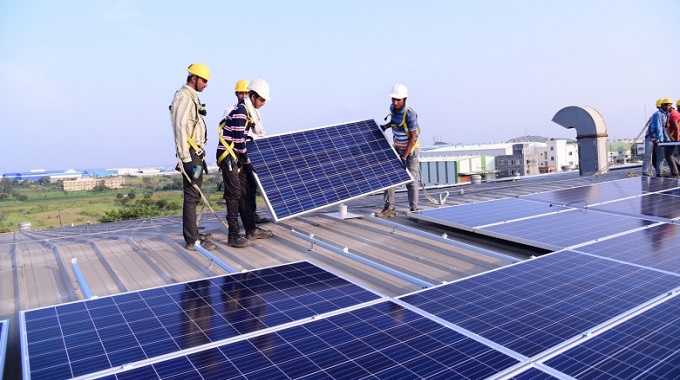
Tapiwanashe Mangwiro
Zimbabwe’s mining sector, a cornerstone of the economy, is set to benefit from a significant solar power project that aims to alleviate chronic energy shortages and reduce reliance on the national grid.
Grid Africa, a leading energy solutions provider, has partnered with several major mining companies to develop a 72-megawatt solar power plant, a move that could revolutionise the industry and set a precedent for sustainable energy solutions across the country.
In an interview with CNBC Africa, Norman Moyo, CEO of Grid Africa said his company has partnered with a group of Zimbabwean mining companies on a 72-megawatt solar power project to address chronic energy shortages affecting the mining sector.
“Grid Africa has successfully secured a project to develop 72MW of power for multiple mines in Zimbabwe,” Moyo said.
“This initiative is expected to save the mines over US$9,2 million annually and aims to significantly decrease energy imports for the participating mines. With the backing of our strategic technology and financing partners, this project is poised to make a significant impact on Zimbabwe’s mining and energy generation landscape.”
The country’s mining sector, critical to the economy, has faced soaring power costs amid tariff hikes, placing increased pressure on mining operations. The Grid Africa solar project, therefore, offers a welcome alternative.
Several other major mining companies in Zimbabwe, including Caledonia, Dallaglio, and Zimplats, are also investing in solar projects to reduce their reliance on the national grid and enhance operational efficiency. The push towards self-sustained energy aligns with the Government’s strategy of encouraging mining companies to invest in independent power sources.
With mining activities projected to expand, so too will the demand for reliable energy solutions. The partnership with Grid Africa reflects a broader movement within Zimbabwe’s mining industry to secure energy autonomy and reduce dependency on imported energy.
For Moyo, Grid Africa’s vision is about more than just providing power; it’s about creating a sustainable, localised energy ecosystem that can empower businesses and communities across Africa.
“By focusing on energy efficiency, renewable sources, and strategic partnerships, we aim to unlock Africa’s energy potential and drive sustainable economic growth,” he said.
Through initiatives like the Zimbabwe mining solar project, Grid Africa is helping shape a future where Africa can meet its own energy needs, fostering resilience and independence for critical sectors like mining and manufacturing.
As Africa’s energy demand surges, Moyo highlighted that inadequate grid infrastructure investment has left many African countries struggling to meet energy needs.
Yet, he sees a promising shift, driven by falling solar and lithium battery costs that make distributed energy solutions viable, much like how GSM technology once transformed the telecommunications sector.
“Africa’s energy landscape is complex, with a history of underinvestment that has left us where we are today. The grids are outdated, and politicising energy has only added to the complications,” Moyo said.
He emphasised that ensuring energy security is crucial for economic development, adding, “The lights must stay on for society and the economy to function effectively.”
With nearly 700 million Africans lacking access to electricity, Moyo believes that renewables are the key to addressing this crisis sustainably.
Moyo discussed how East Africa, particularly Rwanda, has been attractive for renewable energy investments due to its supportive regulatory environment.
“In countries like Rwanda, solar energy can drastically cut power costs for businesses, making them more competitive and accelerating economic development,” he explained.
Grid Africa has been instrumental in helping companies in Rwanda and Kenya access solar power, providing the financing and technical support needed to enable businesses to focus on their core operations while benefiting from affordable and clean energy.


 Online Reporter