Business Reporter
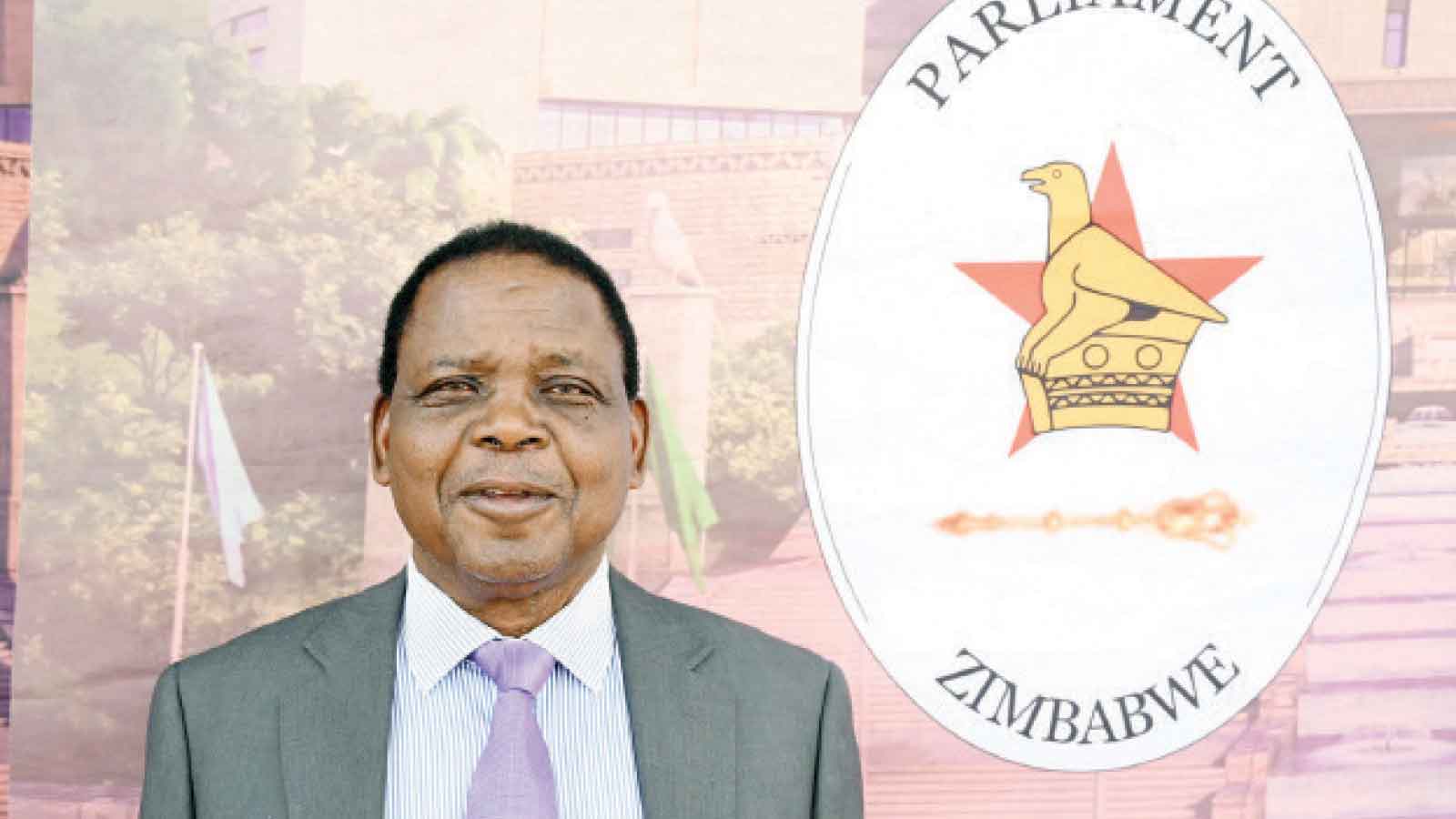
President Mnangagwa has appointed seasoned mining engineer and Zvishavane-Runde legislator Fred Moyo as the Deputy Minister of Mines and Mining Development.
The appointment, which takes effect immediately, was announced last week in a statement by the Chief Secretary to the President and Cabinet, Dr Martin Rushwaya.
Dr Rushwaya confirmed that the President made the decision in accordance with Section 104 (2) of the Constitution of Zimbabwe.
Mr Moyo (68) returns to a familiar portfolio, having previously served as Deputy Minister in the same ministry.
A mining engineer by profession, he possesses over 40 years of international experience in corporate leadership, commodity trading and governance.
He succeeds Dr Polite Kambamura, who was recently elevated to the position of substantive Mines and Mining Development Minister following the removal of Cde Winston Chitando.
Educated at Murowa Primary School and Musume Secondary School, Mr Moyo holds a BSc (Hons) in Mining Engineering. His career began as a learner engineer with Anglo American’s Hwange Colliery Company, where he rose through the ranks to eventually serve as managing director.
His extensive curriculum vitae includes roles as general manager and operations director at Shabanie-Mashava Mines and managing director of Mwana Africa. Beyond his corporate achievements, he has held influential industry positions, including the presidency of the Zimbabwe Association of Mine Managers and a seat on the presidency of the Chamber of Mines of Zimbabwe.
Politically, Mr Moyo has been an active member of Zanu PF since 1970. He was first elected as the Member of Parliament for Zvishavane-Runde in 2013 and successfully retained the seat in the 2023 harmonised elections.
In his new role, Mr Moyo will be tasked with assisting Minister Kambamura in driving mineral output and strengthening regulatory oversight.
His appointment is viewed by industry analysts as a strategic move to bring technical expertise to the forefront of a sector that remains a cornerstone of Zimbabwe’s economic recovery.
The Treasury has recently signalled a shift towards “fiscal pragmatism” within the mining sector, having scrapped plans to double gold royalties and restored capital expenditure deductions.
Mr Moyo’s deep-rooted ties to the Chamber of Mines and his experience with advanced mechanised mining systems are expected to play a pivotal role in implementing these policy adjustments and fostering growth.
Meanwhile, Caledonia Mining Corporation has welcomed the revised proposals regarding royalty tax and the tax treatment of capital expenditure.
“Caledonia notes that, on 17 December 2025, the Zimbabwean Minister of Finance announced certain changes to these proposals during the second reading of the 2026 National Budget in the Zimbabwean Parliament. Specifically, the proposal to increase the royalty rate from 5 percent to 10 percent when the gold price exceeds US$2 500 per ounce will now only apply should the gold price exceed $5 000 per ounce,” the company stated.
Caledonia also welcomed the withdrawal of proposed changes to the tax treatment of capital expenditure. Under the original proposal, the current 100 percent upfront deduction would have been spread over the life of the project. While this would have only affected the timing rather than the total amount of tax payable, the proposal has now been withdrawn.
Furthermore, the plan to levy a withholding tax of 15 percent on interest payable on offshore loans has been scrapped.
Whilst this provision would have had little effect on Caledonia’s existing operations, the company noted it would have had an adverse effect on the Bilboes Gold Project, which Caledonia expects to fund with a significant proportion of offshore debt.
The miner said the revisions were positive for both current operations and future investment plans.
“The revised proposals, which are expected to be enacted before the end of the year, should result in no change to the financial outlook for Caledonia’s portfolio of assets in Zimbabwe, provided the gold price remains below $5 000 per ounce,” the company added.
Commenting on the developments, Caledonia CEO Mark Learmonth said the revisions sent a strong signal of policy responsiveness and investor confidence.
“The 2026 National Budget of Zimbabwe is yet to be enacted into law. However, we welcome the revised provisions announced this week, which we believe demonstrate the Government of Zimbabwe’s support for the mining sector and the development of future mining projects in the country,” he said.
Parliament has since passed the 2026 National Budget after the Treasury made several concessions on key fiscal measures, paving the way for the implementation of the Government’s spending and revenue plans for the coming year.