admin
admin
Peter Tanyanyiwa
Herald Correspondent
The Ministry of Primary and Secondary Education, in collaboration with key education partners, is embarking on a comprehensive joint monitoring visit to assess the functionality of schools across Zimbabwe.
The exercise, which is being carried out today and tomorrow, aims to gain a deeper understanding of school governance processes and identify areas for improvement to enhance the quality of education.
The initiative will cover all provinces, with teams consisting of principals, chief directors, directors from the ministry’s head office, and provincial and district staff.
The team will visit a total of 19 districts will be visited, which include Goromonzi, Marondera, Chitungwiza, Bulawayo Central, Gweru, Kwekwe, Guruve, Mbire, Gwanda, Umzingwane, Hurungwe, Kariba, Mwenezi, Chivi, Chimanimani, Chipinge, Binga, and Hwange.
The primary objectives of the monitoring exercise are to evaluate the implementation of established protocols and minimum functionality standards in schools, identify challenges faced by schools and the education system, gather baseline data to inform programming and policy and determine necessary interventions by the Government and partners to ensure sustainable education development.
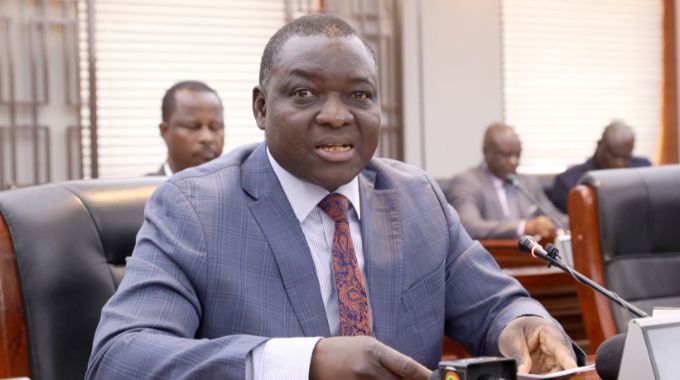
In a statement, the ministry’s spokesperson Mr Taungana Ndoro said this monitoring exercise is a critical step towards ensuring that every child in Zimbabwe receives a quality education.
“By assessing the functionality of our schools, we aim to identify gaps and challenges that hinder our education system, allowing us to make informed decisions that will benefit our students today and in the future,” said Mr Ndoro.
The monitoring teams will employ a comprehensive assessment framework that examines various aspects of school functionality, including adherence to set protocols, governance and management processes, teaching and learning quality, student enrollment, attendance and performance, infrastructure, and community engagement and support.
A wide range of stakeholders will participate in the monitoring exercise, including Camfed, FCDO, UNICEF, UNESCO, the World Bank, various NGOs, teacher unions, staff associations, ECOZI and its affiliates, and the Parliamentary Portfolio Committee on Primary and Secondary Education.
Expected outcomes from the joint monitoring visit include baseline findings on the current state of school functionality across Zimbabwe, identification of challenges and gaps in the education system, and recommendations for targeted interventions by the government and partners.
The ministry and its partners are committed to utilising the findings from this extensive monitoring exercise to drive sustainable improvements in the quality of education, ensuring that all children in Zimbabwe have access to a robust and equitable learning environment.


 Online Reporter