admin
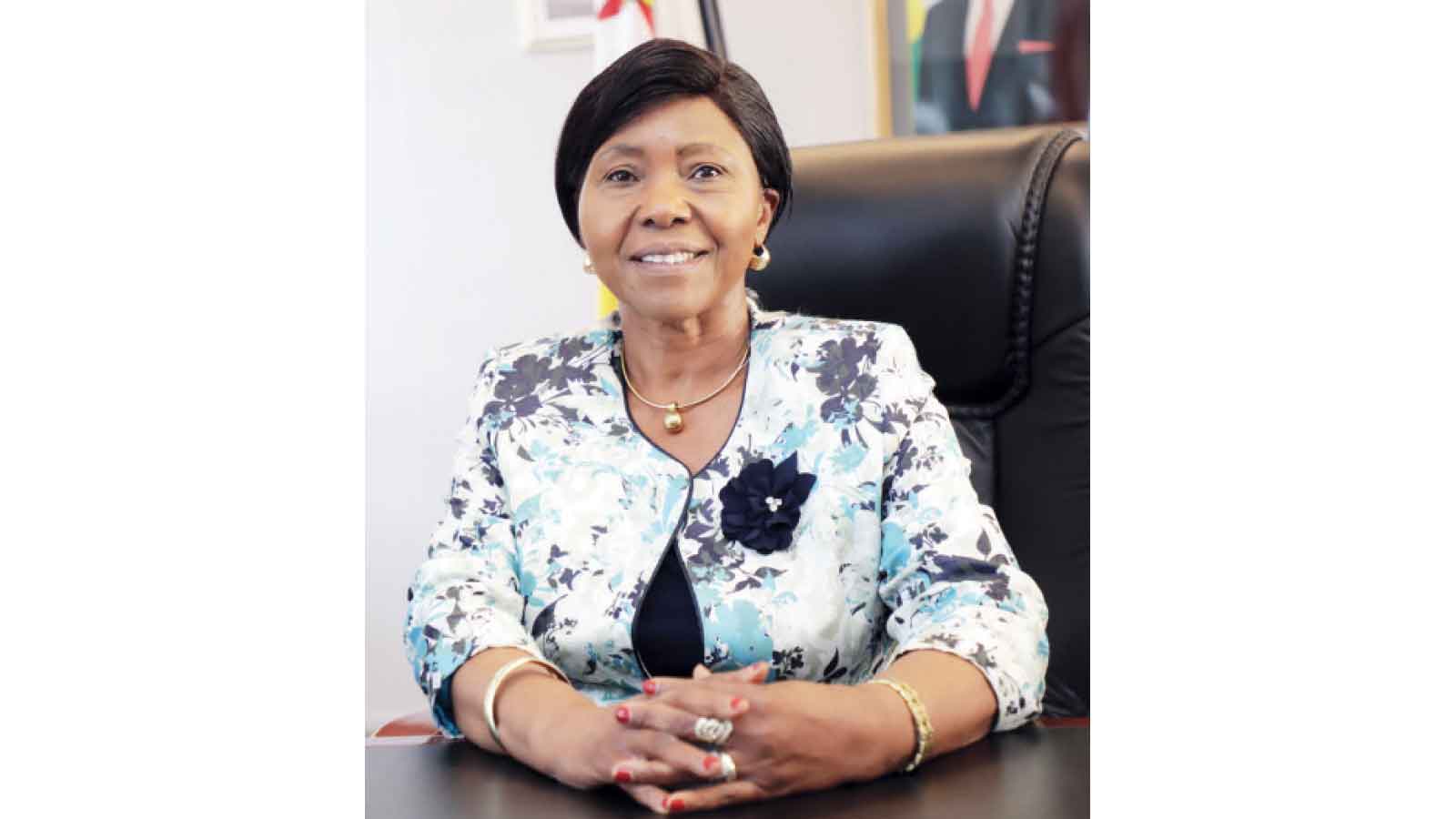
adminIn a telephone interview from Harare yesterday, Head of Epidemiology and Disease Control in the Ministry of Health and Child Welfare, Dr Portia Manangazira, said they had put in place long term measures to deal with any outbreak of disease throughout the country.
“We have come up with a more pro-active approach so that we are able to counter diseases before they are wide- spread.
“We have since set up a National Emergency Operations Centre to help the ministry coordinate response in the event of an outbreak,” said Dr Manangazira.
She said the operations centre was at the Ministry of Health and Child Welfare headquarters in Harare.
“This centre will make it easier for our health teams to convey information which guide us on decisions that are to do with responding to reported cases of outbreaks,” said Dr Manangazira.
She said as part of measures to improve preparedness to deal with an outbreak, they had trained rapid response teams in most provinces.
“We need adequate facilitation so that these teams can also train people at district level so that the awareness on water-borne diseases cascades to the grassroots level,” said Dr Manangazira.
She said they had updated the Integrated Disease Surveillance and Response (IDSR) guidelines of 2005 to meet international standards of response to an outbreak of diseases.
“We have also updated and adopted 2010 IDSR so that our efforts are in line with the World Health Organisation (WHO) recommendations,” said Dr Manangazira.
She said it was apparent that the ministry could not contain any outbreaks on time that is why they had implemented such measures.
“What will make life much easier for every Zimbabwean is adequate sanitation, but at the moment our main worry is the level of sanitation in the country in general.
“We have been appealing to relevant authorities to make committed efforts to make sure that each and every Zimbabwean has access to clean water,” said Dr Manangazira.
She said the Government should also give full warning and information on water-borne diseases, especially during the rainy season.
“At the moment the quality of water is poor and therefore we encourage residents to do rain water harvesting because it is clean water. Before they do that they should clean their roofs so that the water is kept clean,” said Dr Manangazira.
Water-borne diseases are caused by pathogenic micro organisms which are directly transmitted when one drinks contaminated water.



 Online Reporter