Chronicle Editor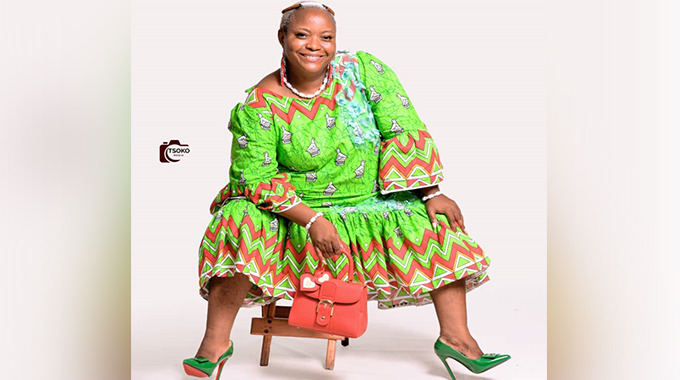
Bongani Ndlovu, Online Reporter
THE Miss Rural Zimbabwe beauty pageant presents a golden opportunity to promote the National Dress Fabric across Zimbabwe, Sipho Mazibuko, the founder of the show has said.
After a hiatus due to the Covid-19 pandemic and economic hardships, the Miss Rural Zimbabwe pageant is set to make a comeback this year.
The previous edition was won by Nyasha Cherine Phiri from Gokwe, Nembudziya. During the launch of the national dress fabric in 2021, President Mnangagwa endorsed its significance, stating that it represents the social and cultural identity of the people and should be passed down through generations.
The national costumes not only preserve traditional art and crafts but also serve as a means of learning history and understanding a country’s culture and heritage. The fabric features national symbols, including the Zimbabwe Bird, the national flag and the iconic chevron pattern.
Mazibuko, who ran the successful Esteemed Business Women Zimbabwe event last month expressed her intention to use the Miss Rural platform to ensure that the National Dress Fabric reaches every corner of Zimbabwe.
“I am embracing President Mnangagwa’s concept of Leaving No place and no one behind with Miss Rural. I want everyone to have a piece of the National Fabric. Starting from the grassroots level, we will extend its presence to wards, districts, provinces and eventually the national level.
There will be no place left unaware of the national fabric once Miss Rural 2024 concludes,” stated Mazibuko.
As part of the pageant, designers from ward level, Mazibuko said, will be responsible for creating costumes for their models using the National Dress Fabric as their primary source of inspiration.
Each designer will receive a metre of fabric to craft designs that are both appealing to the youth and distinct from traditional regalia. To further promote the fabric, Mazibuko said she has launched a competition called “Dlala ngelembu, tamba nejira” which encourages designers to unleash their creativity and imagination in tailoring beautiful outfits.
The competition will be launched next week, coinciding with the commencement of the search for Miss Rural in Matabeleland South possibly in Avoca, Filabusi, Mazibuko’s rural home.
Mazibuko envisions widespread acceptance of the national dress fabric throughout the country, considering it a symbol of Zimbabwean identity. She emphasised the importance of youth and women embracing the fabric’s beauty and recognising it as distinctly Zimbabwean.
“I want the youth and women to accept the fabric for what it is, which is beautiful and a Zimbabwean fabric and shows who we are. Look at the South Africans, the Tswanas, the Kenyans, it shows who they are and wearing their national fabric,” said Mazibuko.
“The key feature of the fabric is the Zimbabwean bird and it shows who we are. So this is what I want for this fabric, when they see the fabric we can be identified as Zimbabweans. I want to amplify the fabric.”
In the long run, Mazibuko wishes to see models who represent the country in international pageants use the national fabric in the national costume section.
“When we take a model to international competitions we have nothing to say that we are Zimbabwe. She would wear whatever the designer would have come up with. But when you see what other models will be wearing, you really get envious, I get envious of their designs that identify them according to their country,” said Mazibuko.



 Online Reporter