Online Reporter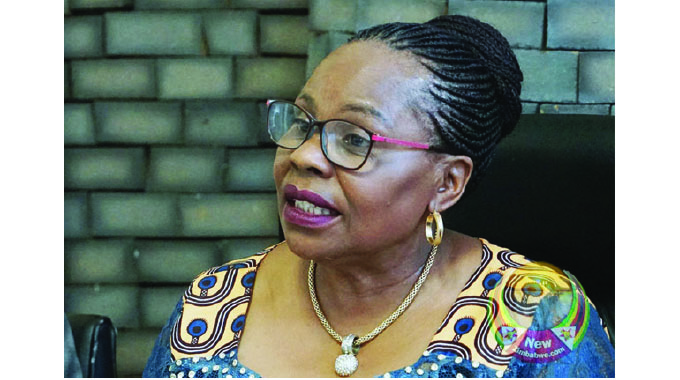
Theseus Shambare in MUTOKO
More than 5 000 people have benefited from the Mobile One-Stop Centre (MOSC) initiative, a Government-led programme designed to bring integrated services for survivors of sexual and gender-based violence (SGBV) to remote communities.
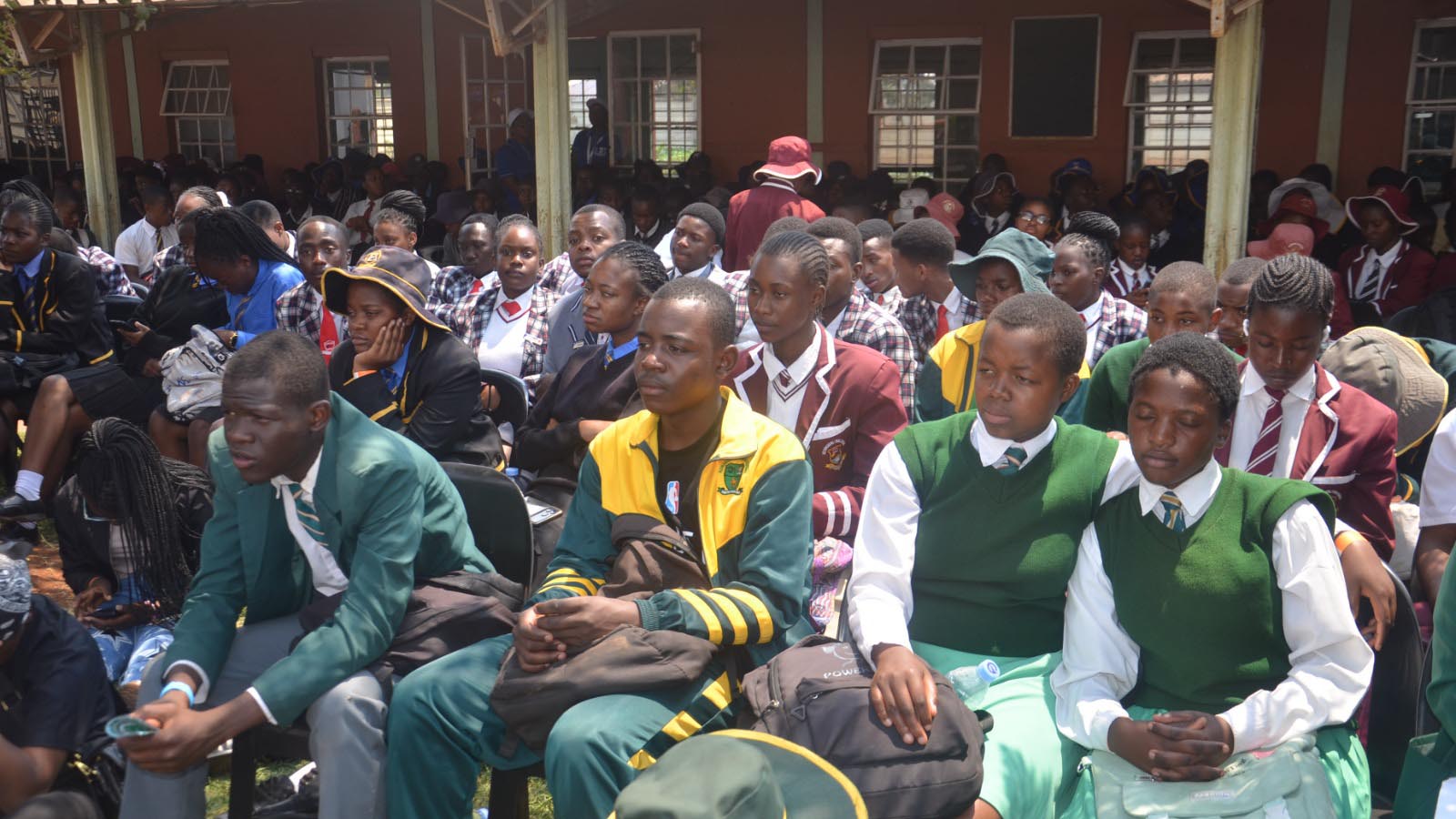
The milestone was announced on Wednesday during the launch of a new facility at Chatiza Secondary School in Mutoko, Mashonaland East.
The US$446 581 initiative, implemented by the Ministry of Women Affairs, Community, Small and Medium Enterprises Development in partnership with the Zimbabwe Gender Commission (ZGC), the United Nations Development Programme (UNDP) and the Judith Neilson Foundation (JNF), provides survivors with healthcare, legal aid, psychosocial support, civil registration and economic empowerment services under one roof.
Speaking at the launch, Women Affairs Minister Senator Monica Mutsvangwa said the roll-out of the MOSC model was aligned with Vision 2030 and the National Development Strategy 1 (NDS1) commitment to “leave no one and no place behind.”
“The Mutoko One-Stop Centre will ensure that survivors of gender-based violence in remote areas no longer have to travel long distances for assistance. Instead, services are coming directly to the people,” she said.
She said the model was especially critical in Mashonaland East, where 38 percent of women aged 20–49 were married before the age of 18, compared to the national average of 33 percent.
UNDP Resident Representative Dr Ayodele Odusola, represented at the event by Ms Tafadzwa Muvingi, said the centres were transforming lives.
“This initiative is a lifeline. It brings justice, health care, counselling and economic empowerment directly to survivors. It is about dignity, inclusion and breaking the cycle of violence,” he said.
ZGC Mrs Margaret Mukahanana-Sangarwe described the centres as a practical response to the barriers faced by survivors.
“By providing integrated services at community level, we are removing stigma and ensuring that survivors can access help quickly and safely,” she said.
Pamuhacha director Ms Precious Nyamukondiwa, whose organisation is offering counselling and psychosocial support under the programme, said the availability of safe spaces would encourage more survivors to come forward.
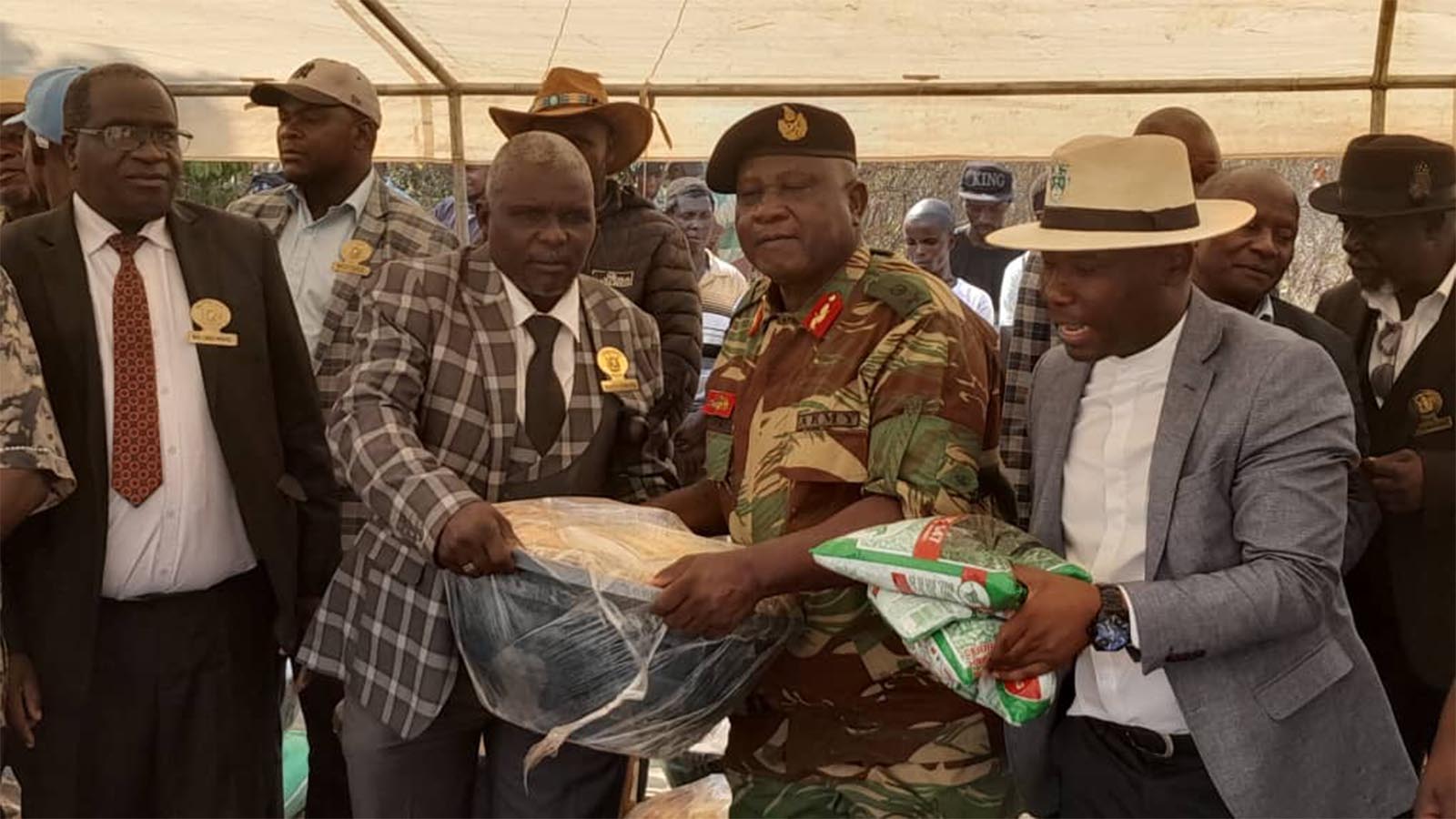
Traditional leaders, including Chief Charehwa, Chief Chimoyo, Chief Nechombo and Chief Mutoko, also endorsed the programme.
Chief Chimoyo said: “As custodians of our communities, we welcome programmes like this that protect our women and children. When help comes to the people, we strengthen families and preserve the dignity of survivors.”
Since January, MOSC deployments in Nyanga, Mashonaland West and Matabeleland South have reached 5 717 people.
These included 223 legal aid cases, issuance of over 1 600 civil registration documents, 1 300 sexual and reproductive health consultations — most of them first-time clients — and 600 counselling sessions.
The Mutoko launch marked the next phase of expansion into politically and socially significant rural areas, with officials emphasising the importance of neutrality, inclusivity and survivor-centred outcomes.
The initiative is funded through JNF’s catalytic contribution of US$446 581, supported by US$60 000 from the INTEGRA funding window and US$30 000 from the UN Partnership on the Rights of Persons with Disabilities.