Trust Khosa, Zimpapers Arts and Entertainment Hub
It’s all systems go for the 58th International Committee for Museums and Collections of Modern Art (CIMAM) conference, which roars to life in Harare today.
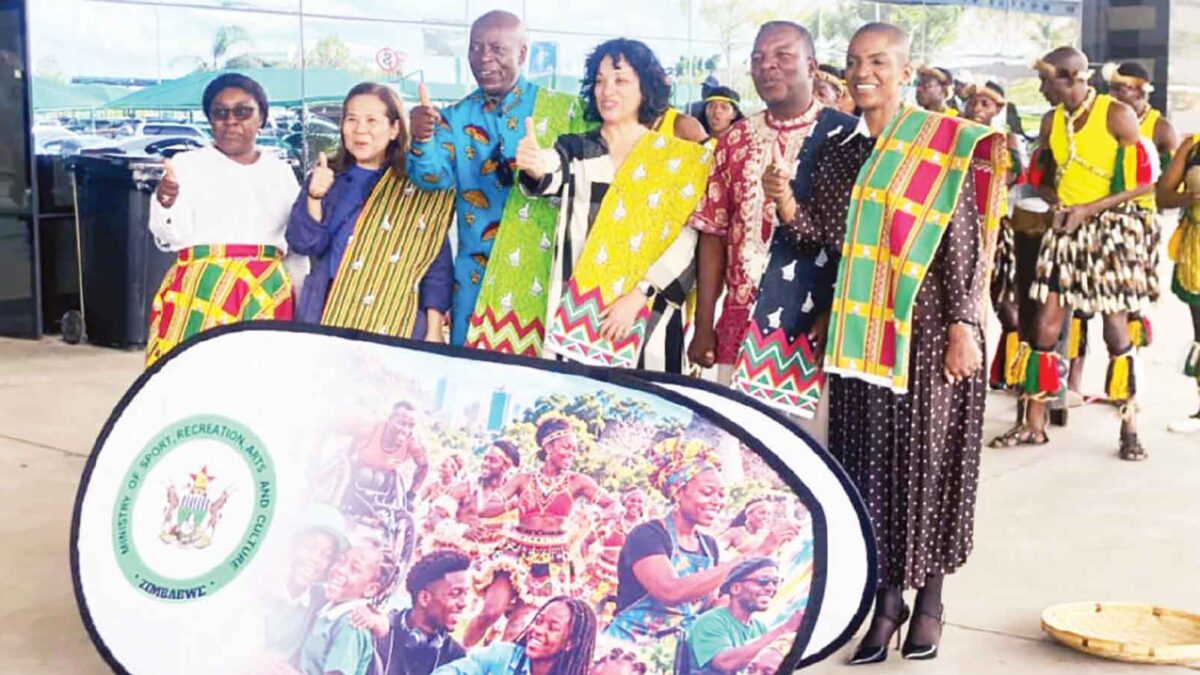
Buoyed by the timely arrival of international guests, among them CIMAM president Amanda de la Garza Mata, who touched down in Harare midweek, the three-day international conference, which runs until Sunday, has been hailed as a game-changer.
The National Gallery of Zimbabwe (NGZ) in Harare is the main venue for the historic conference, where presentations and exhibitions will take place under the theme, “Museums Beyond Limits:
Imagining Repair Across Cultures, Ecologies and Knowledges”.
The CIMAM president, who has also endorsed Zimbabwe’s creative sector, particularly the visual arts, de-scribed the event as a game-changer upon her arrival in Harare.
“It is very important to have a conference that gathers international museum professionals from all over the world, not just to connect among ourselves, but also with the cultural arts in Zimbabwe.
“The conference’s significance also brings global attention to Zimbabwe’s creative sector while strengthening the country’s participation in conversations shaping the future of modern and contemporary art,” she said upon arrival.
True to Mata’s remarks, stakeholders in the visual arts sector have been afforded yet another opportunity to take stock of their achievements and map a way forward.
According to the programme, the conference will feature presentations by visual arts experts, studio exhibitions and discussions.
On the opening day, discussions will be held under the theme, “Good Museum Practice – Examining Institutional Norms, Power Dynamics and Cultural Plurality”, which is particularly relevant to the local creative community.
Day two of the conference will focus on the critical subject of “Tools of Transformation — Exploring Technologies and Practical Methodologies”, alongside the launch of special exhibitions, including “Connecting Elements”.
This session is particularly significant as it explores the role of technology in preserving Zimbabwe’s rich cultural heritage.
On Sunday, the focus will shift to “Radical Hospitality — Discussing Openness Amid Scarcity and Shared Spaces for Contested Histories”.
Like any other conference of this magnitude, the event will also allow delegates to appreciate Zimbabwe’s rich tourism attractions, particularly the Great Zimbabwe Monuments.
The field tour, scheduled for November 23 and 24, will culminate in visits to Masvingo, Great Zimbabwe and Serima Mission.
The significance of Great Zimbabwe is underlined by archaeological and historical research confirming that the monument was built by indigenous African ancestors of the Shona people.
This is despite early colonial myths that falsely attributed its construction to external groups.
NGZ executive director Raphael Chikukwa recently hailed the Great Zimbabwe Monuments for their cultural significance.
“We cannot talk about this country’s rich cultural heritage without mentioning places such as the Great Zimbabwe Monuments.”