

 Online Reporter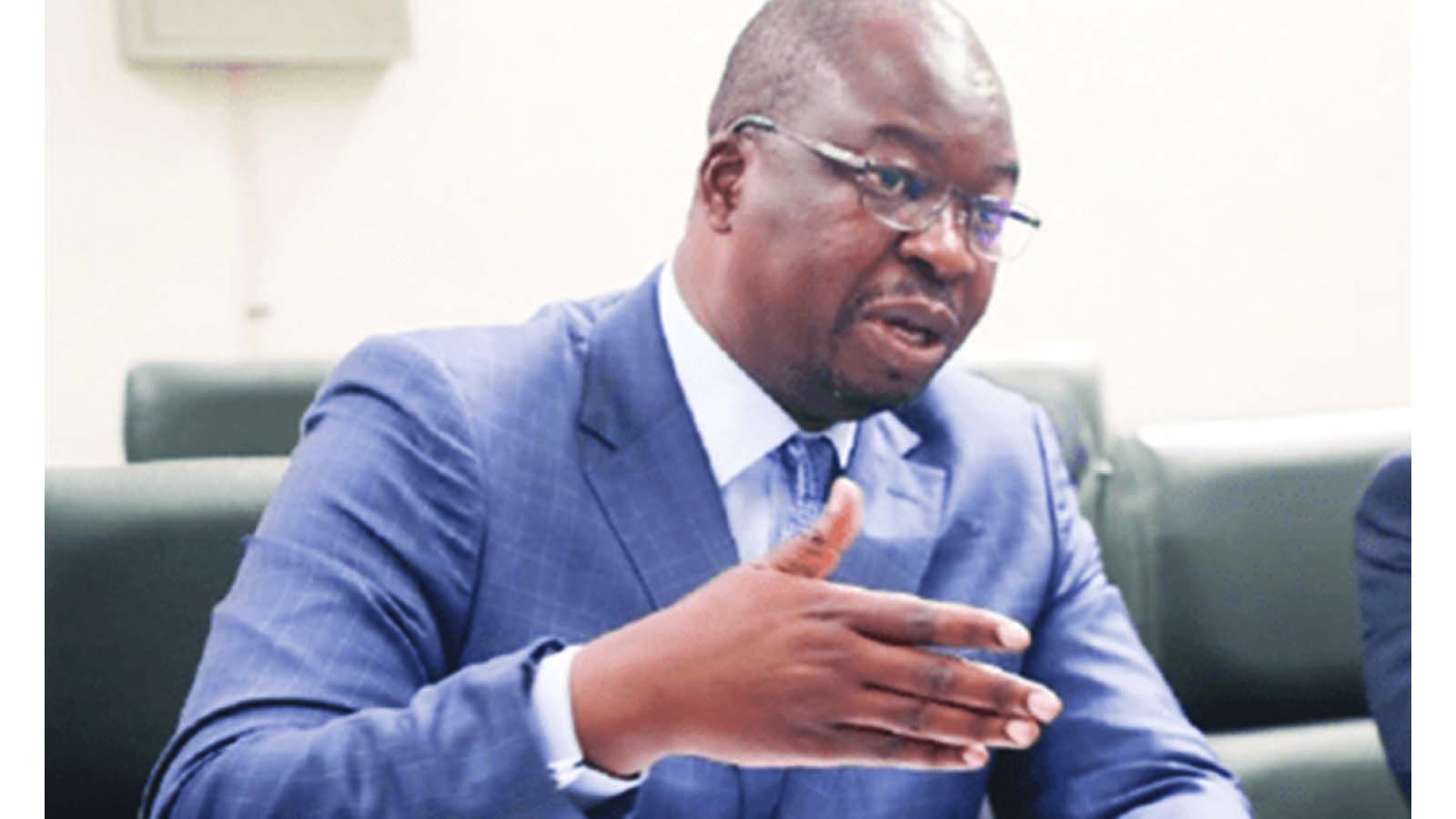
Oliver Kazunga
Senior Reporter
GOVERNMENT has ruled out the compulsory conversion of United States dollar deposits into local currency when Zimbabwe eventually adopts a mono-currency, offering a major policy assurance to investors, businesses and ordinary citizens.
The assurance is expected to remove one of the biggest uncertainties surrounding Zimbabwe’s long-term currency reforms by guaranteeing that foreign currency accounts, export proceeds and diaspora remittances will remain protected.
Treasury Secretary Mr George Guvamatanga said the eventual move to a mono-currency would not interfere with foreign currency accounts (FCAs), exporters’ retention of export proceeds or diaspora remittances, dispelling concerns that have lingered since Government signalled its long-term intention to restore a single local currency.
Speaking at a 2026 post-Mid-Term Budget Review breakfast meeting in Harare yesterday, Mr Guvamatanga said the Government’s priority remained that of preserving macro-economic stability while creating conditions necessary for the local currency to become the dominant medium of exchange through market confidence rather than compulsion.
He stressed that authorities had no intention of confiscating or converting foreign currency balances held by individuals and businesses.
“You can quote me, we are not going to do that. We are not going to convert all foreign currency into local currency. You can keep your foreign currency and continue to hold it in your foreign currency account,” he said. “What we are saying is that when we eventually move to a mono-currency system, we will not interfere with people’s foreign currency holdings.”
Mr Guvamatanga said the country’s exchange control framework had historically allowed exporters and individuals to retain foreign currency and that this arrangement would continue even under a mono-currency regime.
Exporters, he said, would continue operating foreign currency accounts, while Zimbabweans receiving diaspora remittances and other foreign currency earnings would also retain access to their funds.
“Exporters have always been allowed to open foreign currency accounts, and even when we go to a mono-currency they will continue to be allowed. Individuals who receive foreign currency from the diaspora or other legitimate sources will also continue to keep those funds. There is no intention whatsoever to remove those facilities because they are essential for trade and investment,” said Mr Guvamatanga.
He said the only major shift under a future mono-currency system would be that domestic transactions would ultimately be settled in the local currency. In contrast, foreign currency would remain available for savings and external payments.
“The only condition is that when you transact within Zimbabwe, you will transact in the local currency. That does not mean you lose ownership of your foreign currency. You can still hold it, convert it whenever you need local currency and continue to use it for external obligations just as has always been the case.”
Mr Guvamatanga said the Government was deliberately avoiding rushing into a mono-currency system before the necessary macroeconomic fundamentals had been firmly established.
Instead, authorities were focused on maintaining exchange rate stability, low inflation, adequate foreign currency reserves and stronger confidence in the local currency.
“We are not prescribing a mono-currency to the market. Our objective is to create an environment where people naturally develop confidence in the local currency. We want to reach a point where it no longer matters whether one holds ZiG or US dollars because the economy itself will have created that confidence through stability and sound fundamentals,” said Mr Guvamatanga.
He said Zimbabwe had already made progress in restoring macroeconomic stability, which Government viewed as foundational to sustainable economic growth.
“Stability is fully in place and fully intact. We know where the leakages were in the economy, and we did not merely close them; we removed them. Going back to the instability of the past is simply not an option because the policy weaknesses that created those problems have already been addressed,” he said.
Mr Guvamatanga added that the Government would continue pursuing reforms that strengthen investor confidence, improve the ease of doing business and deepen financial sector stability as part of broader efforts to sustain economic growth.
The commitment comes as Treasury has reiterated that the ZiG, introduced in April 2024 and backed by gold and foreign currency reserves, has helped restore exchange rate stability and lower inflation, strengthening the foundation for eventual monetary reforms.
The assurance is expected to provide comfort to businesses, exporters, investors and Zimbabweans in the diaspora who have sought clarity on the treatment of foreign currency holdings under Government’s long-term monetary reform programme.
Economic analysts have consistently identified policy certainty and protection of financial assets as critical ingredients for restoring confidence, attracting investment and strengthening Zimbabwe’s economic recovery.



Most transactions are now technically mono currency when one considers that the old and soiled US dollars are just circulating in the market bringing no advantage to local transactions. One wonders what advantage the dirty and soiled USD notes provide to the man on the street. The sooner people realise that US dollars belong to USA and cannot be generated in the country the better.