Online Reporter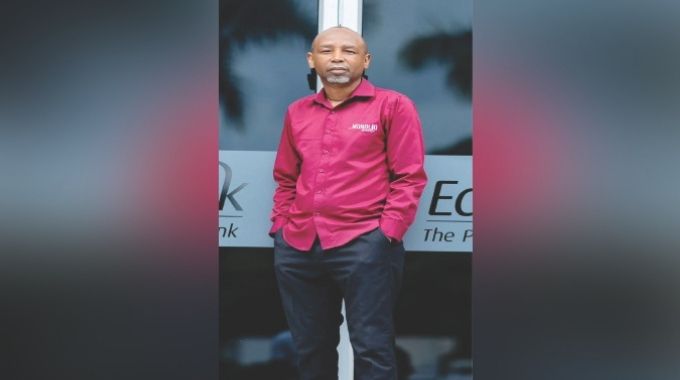
OF late, there have been fascinating developments in the local music scene.
Perhaps the high point — or low point, depending on where you stand or how you look at it — was when music producer Mono Mukundu scandalously claimed that former gospel diva Fungisai Zvakavapano-Mashavave could be suffering from dementia simply because she had the audacity to defend her work from copycats.
That was quite dramatic.
However, it begins making sense if you begin probing what could have triggered Mono, as they call him.
Let us be honest here.
Mukundu is a somewhat talented musician, yes.
But the man is better known for remixing other people’s songs than for his own original catalogue.
So, is it anything but surprising that he is the first to jump to the defence of InTotal Band, a group whose entire business model seems to be performing other people’s hits?
And, of course, let us not forget the small detail that his son, Takakunda, is part of the famous — or is it now-infamous — youthful band.
In a later post on social media, which Mai Juju thought was directed at Mono, Fungisai accused some music industry figures of being “spotlight sick”.
Mai Juju had to Google that one.
It means people who are addicted to attention.
In layman’s terms: people who want credit for work they did not do.
While Fungisai and Mono’s tiff provided a moment of drama, the real issue here is bigger than one squabble between two artistes.
It is about a constituency in Zimbabwe that thrives on imitation.
We have cover bands that do not just sing your song.
They copy your clothes, your dance moves, your mannerisms and your entire stage identity.
Then they charge money for it.
And when you complain, you are the villain. We seem to now have cover groups that avoid costs associated with creating and promoting original material while feasting on established catalogues.
Mai Juju is no lawyer, but that should not only be immoral, but illegal as well.
Now, here is where things get interesting.
The Zimbabwe Music Rights Association (Zimura) has come out swinging in Fungisai’s corner.
Zimura!
The same organisation that has been dogged by controversies, opaque payments and parliamentary scrutiny.
Its reputation has been in tatters.
But even a broken clock is right twice a day.
Zimura said it cannot, and will not, endorse the commercial exploitation of a member’s copyrighted works where the owner has expressly objected.
Argh, for once, the dodgy Zimura is fighting in the right corner.
Wonders never cease.
Mukundu, meanwhile, is defending Intotal by saying they hold a Zimura licence and operate within the law.
Nxa mhani!
Artistes need a break.
They are already fighting a rising tide of artificial intelligence (AI)-produced works contaminating the industry.
Machines are churning out music without a heartbeat.
And now, on top of that, human beings have decided to become machines, too, copying and pasting works by living artistes for profit.
It simply does not fly.
As a way of fighting this pandemic, the Australian Recording Industry Association late last month banned songs that are largely or wholly created by AI from music charts.
Humanity has been soothed by organic, original creative works for millennia.
We do not need machine-generated noise.
We do not need lazy copycats who reap where they did not sow.
We need the Fungisais of this world, the ones who fight for what is theirs, album sleeve in hand, ready to educate the dementia-diagnosing crowd.
May sanity prevail.
Long live our artistes!
Long live to creativity!
Ndikoko!