Online Reporter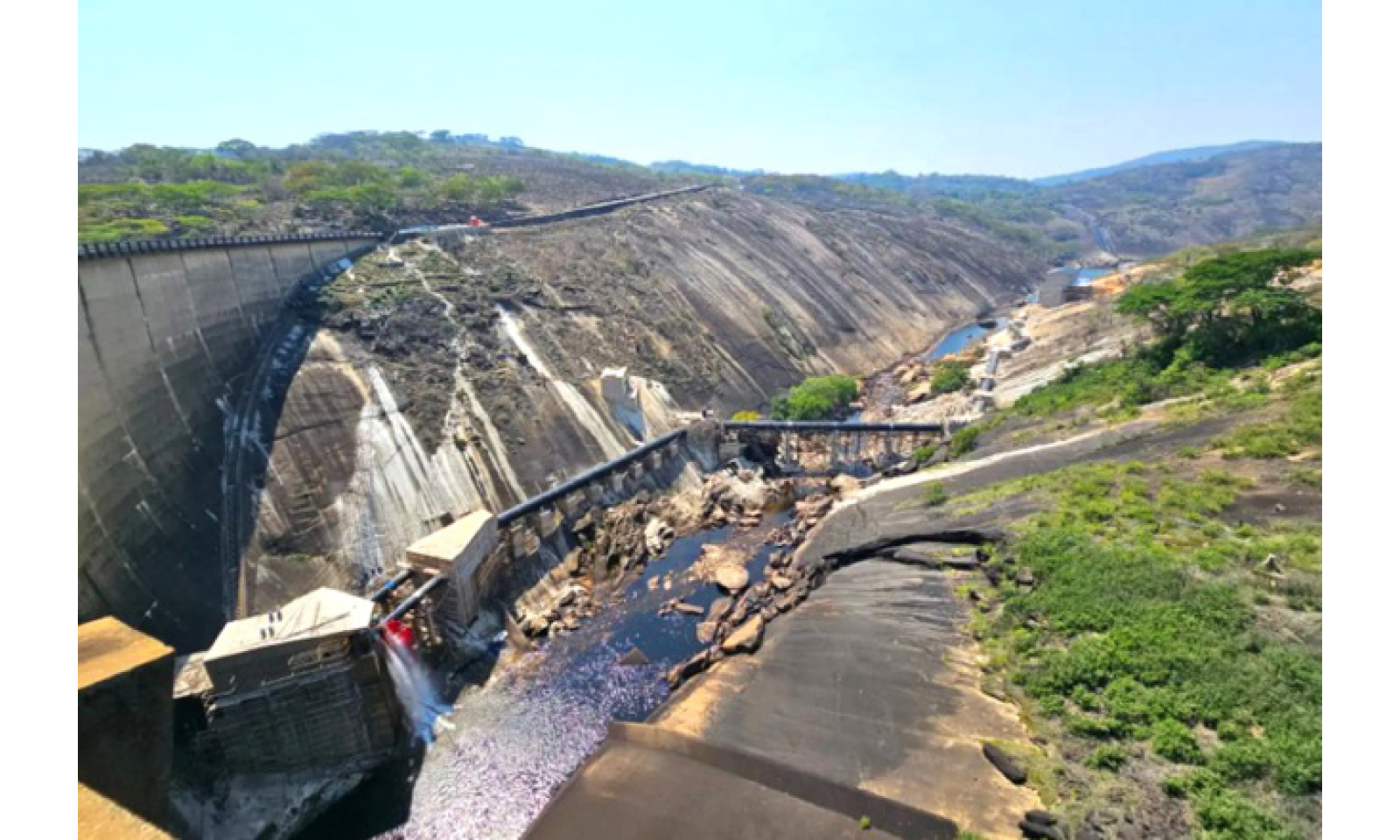
Business Reporter
A Growing number of Zimbabwean firms is turning to on-site power generation as a means to mitigate power costs, improve supply reliability and potentially create new revenue streams.
Colcom Limited, National Foods, Dinson Iron and Steel Company, and Runtu Mining are the latest corporations to join the growing list of companies seeking to generate their own power, according to notices issued by the Zimbabwe Energy and Regulatory Authority (ZERA) in the past two weeks.
National Foods has since applied to the Zimbabwe Revenue Authority (ZERA) for a licence to build a 2,74-megawatt (MW) solar plant at its Aspindale premises in Harare. Similarly, Dinson is also seeking permission to construct a 20MW gas-fired power plant at its Manhize industrial site in Mvuma, while Runtu Mining seeks to establish a 10MW solar plant in Gadzema Heights in Chegutu.
Last week, ZERA announced that Colcom had applied for a licence to generate nearly 1 MW at its Harare plant.
The new applicants join established players like Zimplats, the country’s largest platinum firm, beverages maker Schweppes, insurer giant Old Mutual, horticultural group Nhimbe Farm Fresh, and gold producer Blanket Mine who have already commissioned independent power producer generations facilities.
The majority of both commissioned and proposed projects utilise clean energy sources, further solidifying the growing trend of businesses turning to sustainable energy solutions.
“On-site power generation offers a viable solution for businesses seeking to overcome the challenges posed by Zimbabwe’s unreliable electricity grid,” economist Mr Carlos Tadya said, a local energy expert.
“It not only ensures a stable power supply but also provides a hedge against rising electricity costs, ultimately enhancing competitiveness and driving economic resilience,” Mr Tadya added.
Eighteen Independent Power Producers (IPPs) are currently operational in Zimbabwe, generating electricity for their own use and contributing surplus power to the national grid, according to The Sunday Mail, our sister paper, citing ZERA chief executive engineer Mazambani.
While Zimbabwe has been experiencing extended periods of rolling power cuts, primarily due to reduced output at the Kariba hydroelectric plant (caused by low water levels) and frequent breakdowns at the Hwange Power Station’s units one through six, which are old, the Government is implementing a comprehensive strategy to achieve energy self-sufficiency, which could see Zimbabwe potentially become a power exporter.
The country commissioned two new units of a combined 600MW at Hwange Power Station in 2023, helping reduce the deficit.
Zimbabwe is also finalising loan facilities with India’s Eximbank to rehabilitate aging generators at the Hwange.
The refurbishment is expected to more than double power output from an average of 400MW to 840MW.
Zimbabwe currently generates an average 1 400 MW. Zimbabwe’s power demand is projected to reach 5 000 MW by 2030, driven by economic growth, mining expansion, and increasing household consumption.
This would be done through prioritising investments in renewable energy sources, particularly solar power, due to its abundant sunshine in the country, encouraging private sector participation in power generation through IPPs, and exploring opportunities to import power from neighbouring countries.