

 admin
admin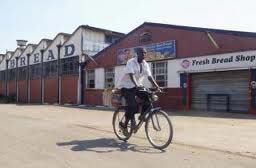
country’s oldest bakery of close to US$6 million.
Herald Business this week gathered that “gross” irregular transactions were allegedly masterminded by Lobels former top executive directors, some of whom have since resigned.
It is alleged a number of board members benefited from the reported scam.
Sources said an audit report by Camelsa revealed misappropriation of US$5,78 million, believed to have been taken from the company using “fictitious” firms purported to be flour suppliers.
It was established that “fraudulent” payments were made to Rescue Foods of Zambia, Capital Foods of Malawi and Arrow Millers.
The directors would then withdraw the money from these accounts. Some of the transactions were done during the Zimbabwe dollar era.
“It was discovered that they (directors) were taking money through raising dummy invoices to make irregular payments to fictitious creditors,” said one source close to the goings-on at the company.
“Some of the companies were said to be registered in Malawi and Zambia and these were set up to enable them (directors) to get money in foreign currency. The bulk of these funds are not supported by documents.”
LOBELS
Lobels directors are alleged to have come up with a scheme of raising cheques against the company on the same account. This was meant to show that they were depositing their daily takings. At that time, the Reserve Bank required companies to bank their daily revenue.
The system was a case of money being drawn from an account to fund the same account.
Lobels would then withdraw cash from daily takings to buy foreign currency on the parallel market to pay suppliers, including the ghost companies.
In some instances, some directors would use the company to acquire foreign currency from the central bank.
Sources alleged that directors would deposit the local currency into Lobels account and thereafter Lobels would source foreign currency on their behalf.
The company would then misrepresent to the central bank that the foreign currency was meant for importation of raw materials, such as flour and spares.
Lobels also borrowed about US$1,8 million from CBZ Bank to acquire vehicles.
At that time, the company was struggling to acquire new spares for machinery and raise money for raw materials.
It is alleged a relative of one of the senior managers then was given the tender to supply the vehicles at inflated prices. Each vehicle cost US$43 000.
To augment its delivery fleet, Lobels is understood to have hired delivery trucks from a firm linked to one of the board members. Sources said the trucks were branded “Lobels Bread” while repairs and their maintenance costs were met by the company.
This week Lobels workers appealed to Government to intensify investigations into the company.
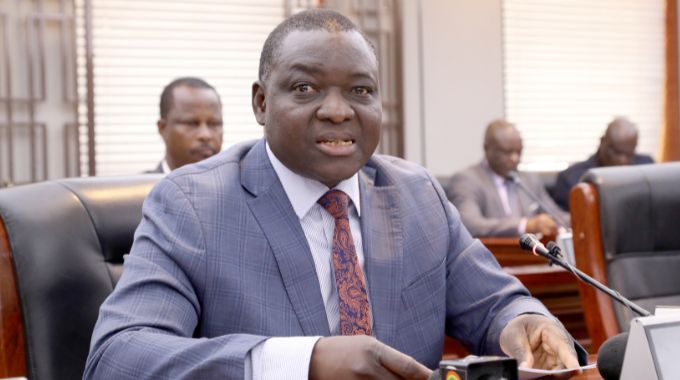
Appearing before a Parliamentary Portfolio Committee on Industry and Commerce, Baking Industry Workers’ Union president Mr Paul Chapisa said Government’s intervention “would go a long way” in reviving the firm’s fortunes.
“We are concerned that despite the confirmations that there was fraud by the former management, no arrests have been made (so far),” said Mr Chapisa.
“Workers have been sent on forced leave and they have not been paid for quite some time. We are confident that with the injection of (fresh) capital and restoration of corporate governance the company can be viable.”
The Zimbabwe Congress of Trade Unions advocacy officer, Ms Vimbai Mushongera, urged the committee to institute proper investigations to ascertain areas of concern.
Lobels requires a fresh capital injection of at least US$5 million. The funds would be used to pay off debts, refinance working capital and, in the medium term, acquire new state- of-the-art equipment.
Lobels was once the market leader in the baking industry. But as hard times descended on the company, the bakery started losing its market share to competitors – Bakers Inn and Proton Bakeries, among others.
The company began operations in the late 1940s under Lobels brothers. In 2002, a consortium of indigenous entrepreneurs bought the company
These were Mr Livingstone Gwata, the chairman; tourism guru Mr Herbert Nkala, Dr Burombo Mudhumo, Mr David Chiweza and Mr Fred Mtanda.


 Online Reporter