Online Reporter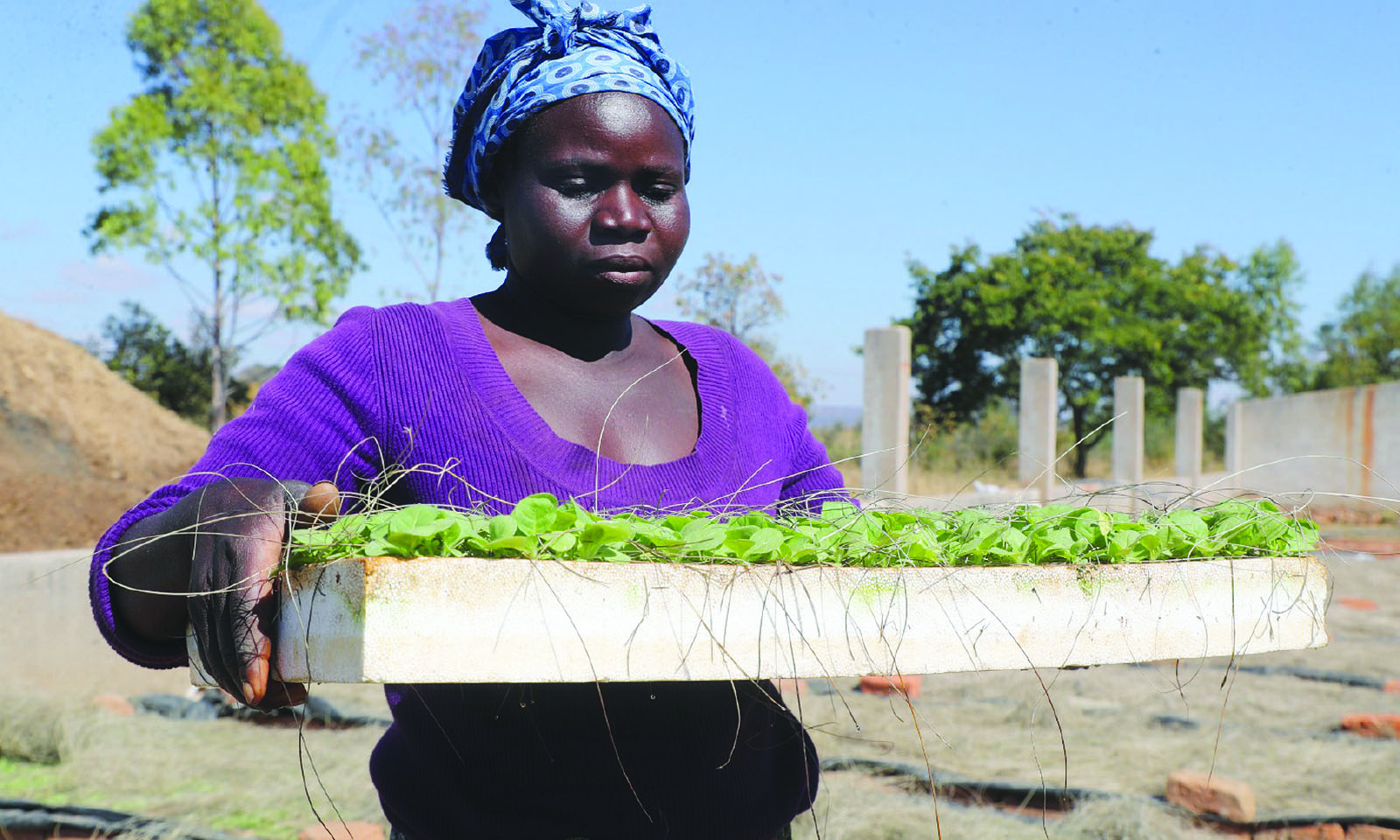
Elita Chikwati
Tobacco growers have intensified preparations for the 2025/2026 farming season, sowing on more than 3 million square metres of seedbeds, while seed sales have increased by 46 percent.
Sowing of seedbeds starts on June 1 for irrigated crops, which are mostly grown by contracted farmers.
Most smallholder farmers who rely on rain-fed agriculture usually start sowing between July and August.
According to the latest statistics released by the Tobacco Industry and Marketing Board (TIMB), a total of 3 152 221 square metres of tobacco seedbeds have been sown to date.
This area is projected to cover 36 029 hectares, an increase from the 2,4 million square metres sown during the same period last year, which was enough for 27 870 hectares.
The bulk of the seedbeds established so far were done through the conventional method.
So far 3 039 540 square metres were established using the conventional method, while 112 681 square metres were sown under the float bed system.
This represents an increase from last year’s figures of 2 327 354 square metres under conventional and 91 934 square metres using the float bed system.
TIMB statistics indicate that Mashonaland East is leading the charge, with farmers in the province sowing seedbeds projected to cover 14 025 hectares.
Of this, 1 096 530 square metres were sown conventionally, and 61 186 square metres using the float bed method.
Mashonaland West follows in second place, with seedbeds covering a projected 10 983 hectares, comprising 946 340 square metres of conventional beds and 30 400 square metres under float beds.
In Mashonaland Central, farmers have planted seedbeds enough for 9 126 hectares, while those in Manicaland have prepared seedbeds to cover 1 890 hectares.
Midlands, although contributing a smaller share, has sown 540 square metres of conventional seedbeds, equivalent to five hectares.
Meanwhile, there has been an increase of 46 percent increase in tobacco seed sales reported by Kutsaga Research Institute.
Agricultural experts view the increase in seedbed area and seed sales as a strong sign of optimism in the tobacco sector, which remains one of the country’s leading foreign currency earners.
The growth in float bed usage also points to a gradual shift towards more efficient and sustainable seedling production methods.
During the past seasons, tobacco farmers have been reluctant to use the new seedbed system of float trays in preference for the conventional way of producing seedlings.
Some have been avoiding extra costs as they have to procure the trays used when producing seedlings in a floatbed.
The advantages of using the float tray include a five times reduction in seedbed area, easier transplantation, use of less chemicals, lower water and fertiliser requirements and production of superior, more uniform and drought-tolerant seedlings.
Farmers were suggesting that suppliers bring the float trays closer to the farms.
Experts have advised farmers to adopt the new technology of float trays as they were a long-term investment, with a lifespan of up to five years under proper use and care.
TIMB field officers are involved in farmer education and training on the effective use and management of float trays.
Extension services are also rolled out in various areas to ensure farmers get practical knowledge.
Promoting the use of float trays aligns with TIMB’s sustainability agenda that encourages practices that reduce environmental impact and promote responsible tobacco production.
Farmers can also access the float trays from Kutsaga Research offices in tobacco growing regions such as Mvurwi, Bindura, Chinhoyi and Karoi.