


 Andrew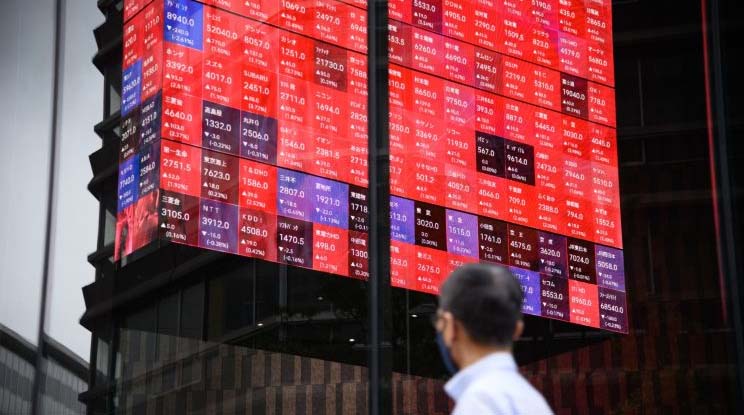
Most Asian stocks fell on Friday as investors contemplated interest rates going higher than expected for an extended period after central banks reaffirmed their commitment to bringing down inflation.
After a healthy rally in recent weeks, fuelled by signs that price rises were slowing, the United States Federal Reserve and European Central Bank this week crushed any Christmas spirit by hiking borrowing costs again and warning of more pain to come.
While inflation in most countries has started coming down from the levels seen earlier this year, helped by a drop in energy costs, it remains at multi-decade highs.
And observers have warned that economies could be heading for a period of stagflation where prices keep rising but growth stalls.
After a rough week for markets, anxiety was enhanced on Wednesday after the Fed hiked rates as expected but indicated they would likely have to go higher than had been forecast, ramping up fears of a recession.
That was followed by similar moves by the ECB on Thursday, with its boss Christine Lagarde warning: “We have more ground to cover, we have longer to go and we are in for a long game.”
The Bank of England also lifted rates and said more hikes were on the cards.
The decisions came as data also showed that almost a year of monetary tightening was hitting the economy more and more, with US retail sales dropping in November as American consumers — the key driver of growth — began to feel the pinch.
“With central banks on both sides of the pond suggesting they have more work to tame inflation, hiking interest rates into a dimming macro environment will undoubtedly trigger a recession,” said SPI Asset Management’s Stephen Innes.
“The question is just how profound. Forget inflation; Asia traders are now worried about a global recession.”
All three main indexes on Wall Street tumbled on Thursday, with the Nasdaq losing more than three percent as tech firms took another blow, while Paris and Frankfurt were also off more than three percent.
And the losses carried through to Asia, where Tokyo gave up 1.9 percent while Sydney, Seoul, Singapore, Mumbai, Taipei, Bangkok and Manila were also in the red. Shanghai was barely moved.
However, the dollar eased back slightly after Thursday’s rally. Hong Kong rose, supported by signs of progress in talks on allowing US officials to audit Chinese firms listed in New York, easing concerns about a possible delisting of some big names such as Alibaba and Tencent.
The news provided a little more help to Hong Kong traders, whose sentiment has been lifted by China’s shift away from the economically damaging zero-Covid policy, as well as moves to open the city further to overseas visitors.
And a report in the city’s South China Morning Post said the border with mainland China would be fully reopened next month, providing another much-needed boost to the beleaguered economy. —AFP



 Bongani Ndlovu
 Online Reporter