Online Reporter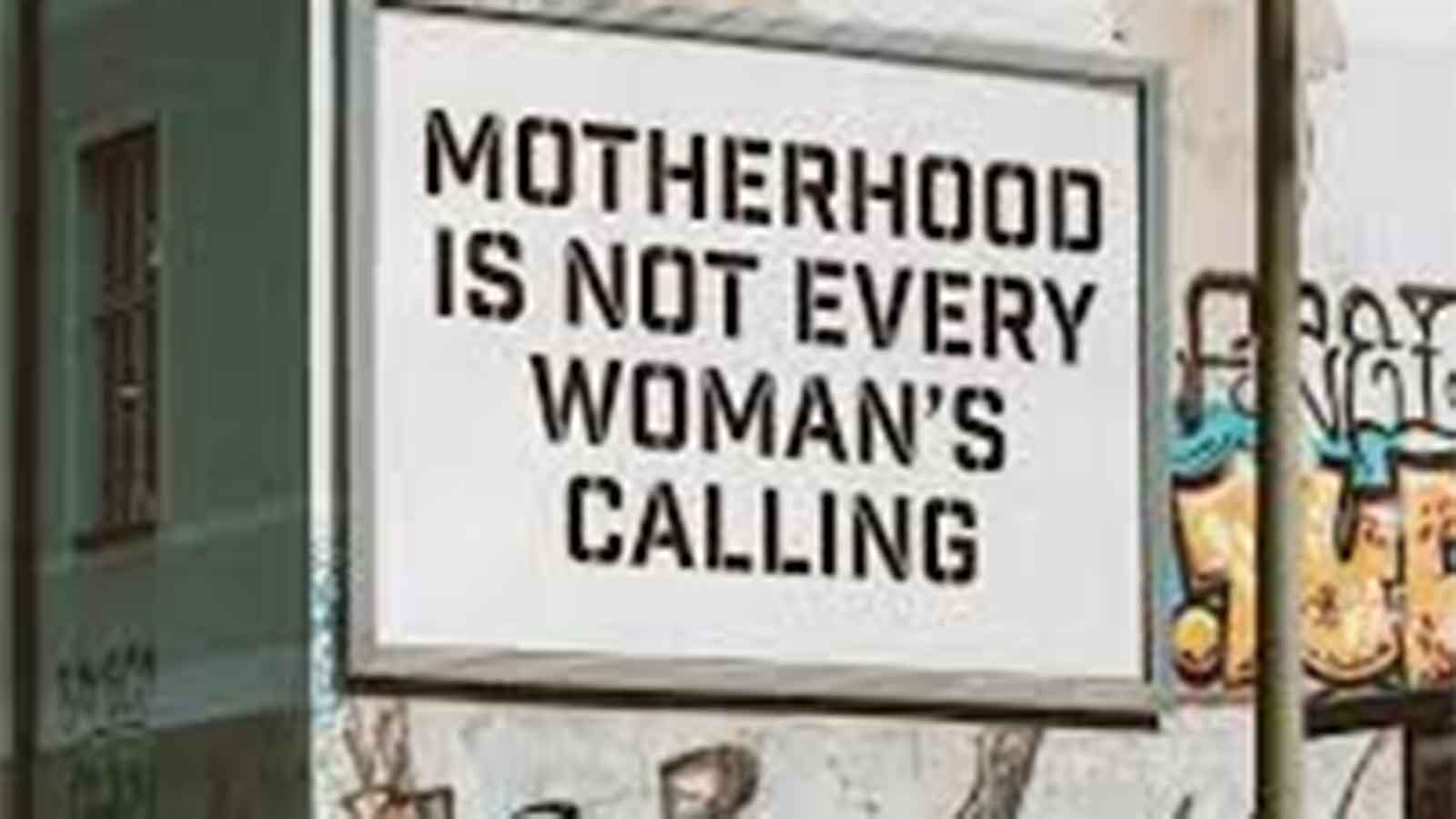
Fadzayi Maposah
Correspondent
I HAVE shared that in the past when travelling to Shurugwi, where both our grandmothers lived when we were children, was a whole day’s activity.
We woke up while it was still dark and got to Shurugwi or back home still in the dark.
Even when my father took us kumusha, we always had to wake up early and start the journey as the sun was rising.
Those early morning travels have made me what I am today. I prefer that people travel very early and reach their destinations while they still have time to do other things. When people ask why, I always say it is how I grew up! Growing up, travel day was just that, travel during the day, there would be no competing activities.
There was no shopping on the travel day, everything was focused on travelling. Even the lunchboxes were ready the night before. This added to the excitement and the fact that we never got to taste the food before the journey made the expectation high.
I have travelled to Shurugwi from many parts of this country, as Baba was stationed in various districts during his career. No journey has ever been the same. Now as an adult, I have travelled to Shurugwi for different reasons and it is never the same. I may know which place, which business centre is next and how I will be in awe when I get to Boterekwa, but it is never the same.
The emotions that come with the trip are never the same. How I am travelling also adds its own dimension to the trip. So does who I am travelling with. It is possible to enjoy what could have been a bad trip and also be saddened by what could have been a good one. The distance between Harare and Shurugwi, right to Chikato or Rockford has not changed. What has changed, however, is the time that we take.
The people that I sometimes travel with these days do not appreciate the packed lunch. They prefer to buy along the way, or simply choose not to eat.
Some of the stories that remain etched in our minds are the stories from the conversations that we were not invited to. I have so many lessons from bus trips. People rarely travel in complete silence. Now with cellphones, there are even one-sided conversations that we get to hear and we get to create what could be blockbusters if we were given opportunities to produce them.
There are times that I wish I had not heard some conversations as they tended to influence my thought line without full information.
I loved being kumusha as a child. I still love being there. Unfortunately some of the people that I identified with my experiences are no longer kumusha. Some have moved away, these I can get in touch with, but some of them have died.
One highlight of being kumusha is being in the kitchen, the round hut. When we were children, we would be seated on the mats, warming ourselves by the fire, roasting nuts.
What social media is doing now was done in each others physical presence. There were updates on who had eloped, who was sick, who had died and whose family had received an additional member. I remember that if someone had a baby, it was “kusunuguka” or “kubetserwa” (implying release or being helped), when it was an animal it was kuzvara. There was separation of release and just birthing.
This Caesarean Awareness Month, I would like to share some insights on why we should use the words “kubetserwa” or “kusunuguka”. I have been reading about C-sections as I try to dislodge the mis-information that is carried by different people. There are brave women carrying scars of childbirth. That the child was born through a C-section does not reduce any element of motherhood. Just as we took many hours to get kumusha many years ago, the scar from a C-section was huge and highly visible. Now the scar which is on the bikini line is not so pronounced. Another fact is that the cut can be between 10-20cm, and the procedure can take between 40-50 minutes.
While others prepare and plan for C-sections, for others it comes as an emergency, for example, when labour is not progressing. Some people tend to panic when the person who was in the labour ward is to be taken to theatre.
We then overheard that someone had a baby “asi akazotochekwa veduwe” (but alas, they had an operation). It’s the “veduwe” part that causes tension. I think all expectant mothers should have pregnancy or labour buddies.
The buddies must be fully equipped with information regarding the procedure. Why is that we expect someone to be up and about after a C-section, when actually it is a major operation that involves cutting into seven layers to reach the baby? The scar carries different emotions for different people. Why do we judge how babies are brought into this world? Is it not good that medical advancement continues to improve maternal and reproductive health?
Motherhood does not come in the same way for everyone. There is no need to shame the way it happened. Scar or no scar, motherhood should be celebrated! How much has been done to disseminate information on the C-section? #C-Section Awareness Month.