
Hunt For Greatness
Milton Kamwendo
Imagine a promising business idea discussed around a table. Everybody agrees it could work.
Then the explanations begin: the timing is wrong, the right people are unavailable and more preparation is needed.
Months later, the idea is still being admired, discussed and not acted on.
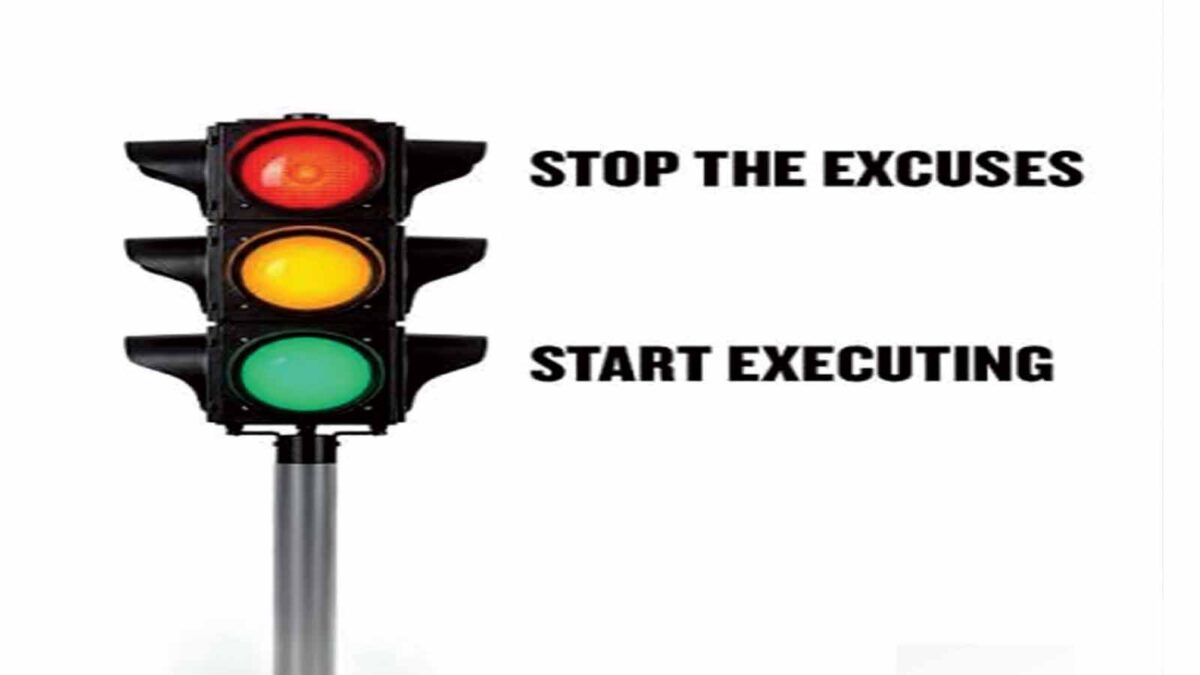
The proposal has not been rejected. It has been buried beneath reasonable-sounding reasons for never beginning. Greatness is movement. Beware of becoming more skilled at explaining inactivity than producing progress. Stop inventing reasons and plausible excuses and just deliver.
In his book “The Magic of Thinking Big”, Mr David J. Schwartz calls habitual excuse-making “excusitis”. He uses illness as a metaphor for this pattern that frustrates achievement.
An explanation helps us understand an obstacle. An excuse turns that obstacle into permission to abandon responsibility. The difference becomes clear when you ask: “What can we responsibly do next?”
Move from limitations
to adaptation
Mr Schwartz identifies health as one area around which people build excuses. Handle this lesson carefully. Illness and disability are not character defects. Rest, treatment and reasonable accommodation are not excuses.
The useful question is not, “Why can you not work like everybody else?” It is, “What is realistically possible, with what support?”
Sometimes responsible movement means pausing, recovering or changing the assignment. Sometimes it means adjusting hours, sharing responsibilities or finding a more accessible way to contribute. Do not pretend that limitations are imaginary. But do not make assumptions about your possibilities without examining them.
Help people to find workable paths, not shame them for needing a different route.
Move from self-doubt
to learning
Schwartz’s intelligence excusitis concerns talking yourself out of opportunity because you believe you lack the brains or education required.
“I am not clever enough” is a sweeping judgement. “I do not yet understand how to prepare this proposal” identifies something you can investigate.
Make the gap specific. What knowledge is missing? Who could explain it? What training would help? Where could you practise?
A qualification may genuinely be necessary. Establish the requirement and assess a realistic route towards it. Do not substitute enthusiasm for competence. Do not dismiss yourself before finding out what the task involves. Let confidence prompt preparation rather than replace it. Use your mind to investigate possibilities, not merely to construct an impressive defence for staying grounded in the current.
Move from age to contribution
Schwartz also challenges the familiar claims of being too young or too old. What does age have to do with it?
Do not spend your younger years waiting to become old enough, then spend your later years declaring that the opportunity has passed. Ask what your present season makes possible.
A young professional can seek mentorship, take responsibility for a manageable assignment and build evidence of competence.
An experienced professional can learn a new tool, mentor colleagues or apply established expertise in a different setting. Neither youth nor experience removes the need for effort and preparation. Where a particular opportunity has a genuine age restriction, acknowledge it and investigate alternatives. The aim is not to deny reality. It is to stop making age a blanket explanation for not moving.
Move from luck to initiative
Schwartz’s fourth category is luck excusitis. This is attributing outcomes to fate while overlooking the part that purposeful effort can play.
Chance and unequal opportunities matter. It would be dishonest to suggest that everyone begins with identical advantages or that effort guarantees success. Nevertheless, ask what remains within your influence. What could you do with the luck you get?
You may not control who offers you an opportunity. However, you can prepare your work, improve your service, request an introduction and respond when someone contacts you.
Do not describe another person as lucky without considering the preparation you did not witness. An overnight success was not sleeping the whole night! Waiting for a fortunate encounter is not a complete strategy. Put yourself in a position to contribute when an opening appears. Meet opportunity with preparation.
Move from explanation to commitment
Bring this discipline into your meetings. When an obstacle is raised, resist both extremes: accepting every explanation unquestioningly and dismissing every difficulty as an excuse. Investigate. Test. Validate. Is the problem missing information, insufficient resources, unclear authority or avoidance? Each requires a different response. Then agree on an action, an owner and a review date.
When you hear, “We have no budget,” ask what preparation remains possible and what decision requires funding. When someone says, “Nobody told me,” clarify the communication failure and responsibility for the next step.
Start with yourself. What have you delayed while demanding urgency from others? Accountability begins with your willingness to act.
Keep moving
While you are making excuses, someone is busy taking action and working with what they have, moving towards greatness. Move. Acknowledge the obstacle. Identify the available action. Honour the commitment.
Choose one excuse you have repeated often. Test it honestly. Replace it with a realistic next step. You do not have to control everything before taking responsibility for something.
Do not become the chief spokesperson for your own stagnation.
Move further. Think bigger. Prepare honestly. Eliminate excuses. Keep moving.
Milton Kamwendo is a leading international transformational and motivational speaker, and author of more than 15 books. He can be reached at: [email protected], WhatsApp: +263772422634