Online Reporter
Rutendo Nyeve [email protected]
THE sight of villagers working side by side at a bustling agro-processing plant in Lusulu, Binga District, tells a story of a community slowly changing its fortunes — turning the crops, groundnuts and honey they produce into products that can earn them an income.
For the men and women behind the machinery, the project represents more than new equipment; it is an opportunity to move beyond subsistence farming, create livelihoods and build a future around the resources available in their own community.
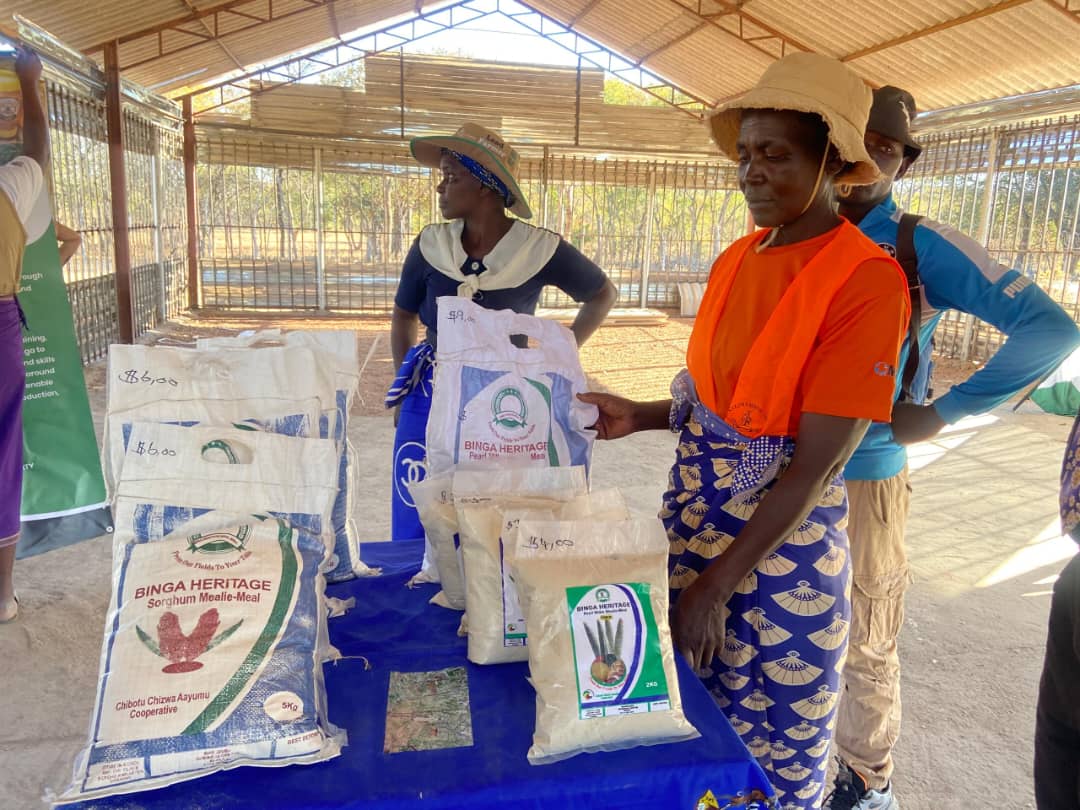
A Zimpapers crew recently visited the area and witnessed a hive of activity at the local processing and packaging plants, where villagers were busy milling, processing and packaging agricultural produce, signalling a gradual shift from subsistence farming towards a more sustainable rural economy.
The transformation is being driven by a partnership between the Government, Mennonite Central Committee (MCC) and Kulima Mbobumi Training Centre (KMTC), which has equipped the community with modern machinery to support value addition and agro-processing.
The equipment includes a Chaffeer grinder for producing stockfeed, a thresher for small grains, diesel-powered grinding mills, peanut butter machines, groundnut shellers and a honey presser.
The villagers have formed a community-owned company trading as Binga Heritage which is now processing their produce to add value before selling.
The initiative has opened new opportunities for villagers who can now add value to what they produce before taking it to the market resulting in them realising more from their produce.
For Lusulu, the machinery is more than a collection of equipment. It represents a shift in mindset — from simply growing agricultural produce for survival to viewing farming as the foundation of a community-owned enterprise and a pathway to improved livelihoods.
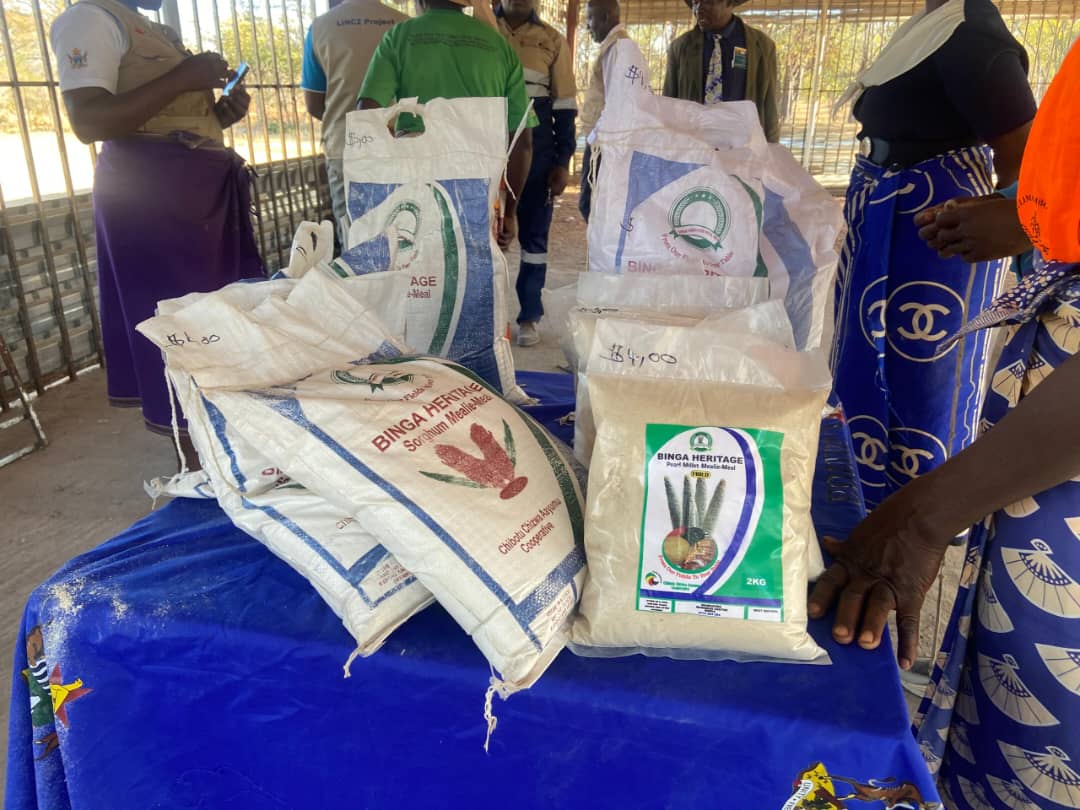
The enterprise is already producing a range of value-added products, including premium pearl millet and sorghum mealie meal, animal fodder, and other products that are adding significant value to the community’s agricultural output.
Farmers were seen delivering their harvests for processing, while others were engaged in the packaging of finished goods, ready for the market.
The initiative is already having a tangible impact on the people’s lives .
“We are part of rural industrialisation,” said Maaya Munsaka, one of the project’s beneficiaries.
“When we received the machines, we all contributed 100kg of various agricultural produce to kick-start the project.
This initiative is enhancing our livelihoods and is already helping us pay school fees for our children.”
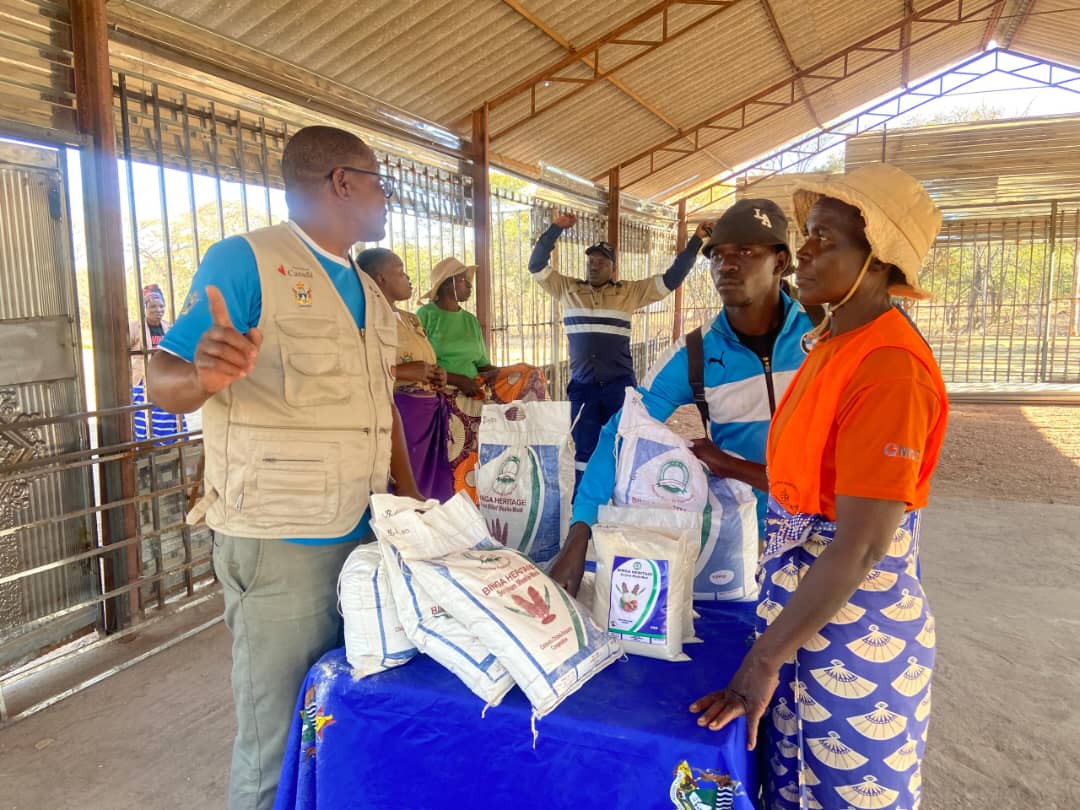
Munsaka said the project has been a game-changer, providing a reliable source of income, and transforming the way the community views its agricultural produce.
The project is a critical component of a broader climate change adaptation strategy, aimed at empowering communities to better withstand environmental and economic shocks.
Mr Agree Sibanda, programme manager for the Mennonite Central Committee’s climate change adaptation project, explained the dual objectives of the initiative.
“We’re here in Binga where you have seen this project empowering women and men who can now add value to their produce.
“We invested or funded this project to enable the communities to increase the value of their produce so that they can realise more money,” said Mr Sibanda.
He said the project goes beyond simple value addition, addressing critical gender dynamics within the community.
“This is also not just about value-addition and beneficiation, but it’s also a part of gender justice or gender action that we’re doing because this is empowering women.
“The machines are helping them to reduce the time that they spend on processing or post-harvest. Now women have more time for their families because the machine makes it fast to process their produce,”said Mr Sibanda.
He said the project aligns perfectly with the Government of Zimbabwe’s national call for beneficiation and rural industrialisation.
Commentators have said the Binga Heritage initiative shows how targeted partnerships and community ownership can turn agricultural potential into sustainable economic growth and resilience for rural communities.
The vibrant Binga community project showcases a practical model for rural development, proving that with the right tools and collective effort, villagers can become the architects of their own prosperity.