

 admin
admin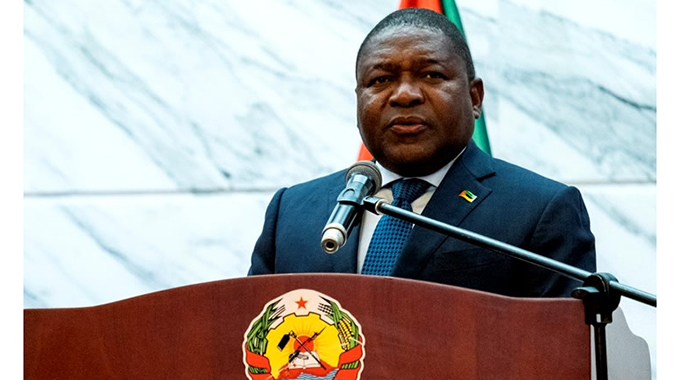
MAPUTO. – Mozambique President Filipe Nyusi said yesterday a fresh round of peace talks aimed at ending a low-level conflict between government and Renamo rebels would resume soon, but without international mediation. Mediators from the European Union had overseen the initial stages of the talks that began last July, but they left the country in December without securing a truce.
In a speech, President Nyusi said he had written to all the international mediators who had participated in the dialogue, thanking them for their role in diffusing tensions between the two sides.
“I expressed the deep gratitude of Mozambicans for their valuable contribution to the quest for peace, the supreme interest of Mozambicans,” he said, adding that the mediators’ efforts “managed to bring closer the positions of government and Renamo.
“Today, this phase of the peace process can be considered as concluded,” said Nyusi, speaking on Heroes’ Day, a national holiday. “In short, another stage of the dialogue should begin, for which we would like to request that they remain available should Mozambique deem it necessary.” President Nyusi revealed that he had “cordial interaction” with the Renamo leader Afonso Dhlakama on the creation of two specialised working groups to continue the negotiations.
These will separately focus on military and decentralisation issues. “I will have the pleasure to announce, in the coming days, the next phase of our arrangements,” he said. Foreign mediators comprised of six international organisations including the European Union, oversaw the talks that took place in the capital Maputo.
They left the country in the middle of December. But two weeks after their departure, Dhlakama proclaimed a unilateral military truce which is in place until March 4.
The ceasefire has been largely observed throughout the country, but last week Renamo accused the government troops of violations. Renamo confirmed the plans to resume talks between the two sides that fought a 16-year civil war that killed a million people and displaced four million before it ended in 1992. – AFP.



 Online Reporter