Chronicle Editor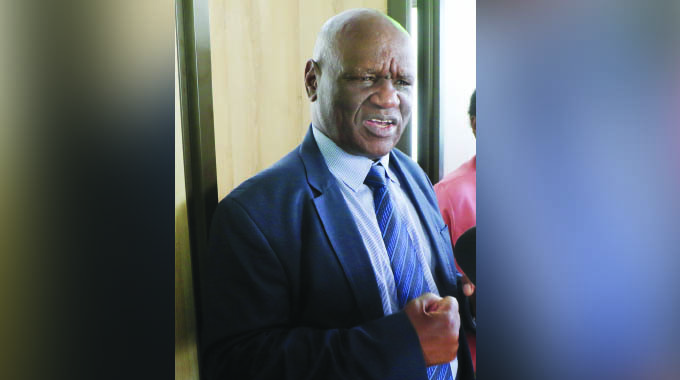
Fidelis Munyoro, Harare Bureau
CHIEF Justice Luke Malaba yesterday met a Mozambican judicial delegation which is in the country to benchmark Zimbabwe’s juvenile justice system.
The delegation led by that country’s deputy Chief Justice Joao Antonio da Assuncoa Beirao has so far met several stakeholders in the child justice system in Chinhoyi and Harare since Monday.
During the meeting held in Harare, Chief Justice Malaba took the delegation through the reforms Zimbabwe had taken to ensure it had a strong and effective system in compliance with international child-specific legal instruments.
Back in the 1990s, Zimbabwe’s juvenile justice system was not commensurate with the obligatory provisions of the international human rights instruments for the protection of children.
At that time Zimbabwe, Chief Justice Malaba said, was already a signatory to the convention on the Rights of Children and had the Children’s Act, but the practice was not consistent with the law.
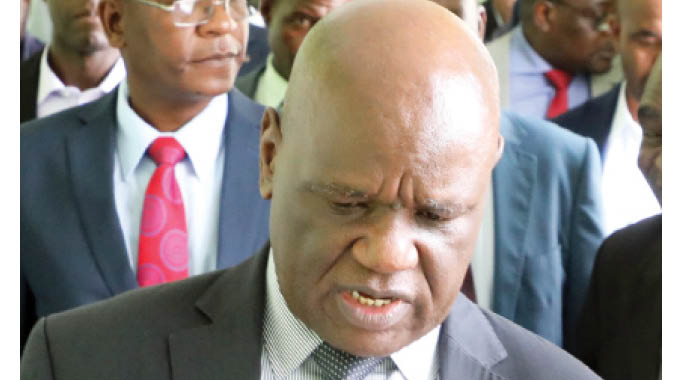
“In the same instance the law itself was not consistent with modern expectation of the obligation of states to shield the rights of children,” said Chief Justice Malaba.
“The institutions that were supposed to be enforcing these rights of protecting children were not of the kind of consciousness that was required by the protective law. So, there was a need to conscientise everybody to reform towards the changes that took place from that time.”
The Chief Justice explained that the realisation that children were by nature vulnerable but autonomous human beings was the first fundamental principle needed to drive reforms.
Children, he said, interact with law in various ways, as they could be victims, perpetrators or witnesses to crime, a situation that called for their protection.
They could also be seeking to protect their rights in civil courts and Chief Justice Malaba said Zimbabwe had made significant strides through the courts to arm its justice system to fulfill children’s rights and needs with the collaboration of other stakeholders such as the executive, legislature and civic organisations.
Justice Antonio da Assuncoa Beirao said they are in the country to share experiences with Zimbabwe’s judiciary.
He said they made a decision to visit Zimbabwe and get more insight on the juvenile justice system while exploring ways to strengthen the two countries’ co-operation in the area, particularly capacity building.



 Online Reporter