Online Reporter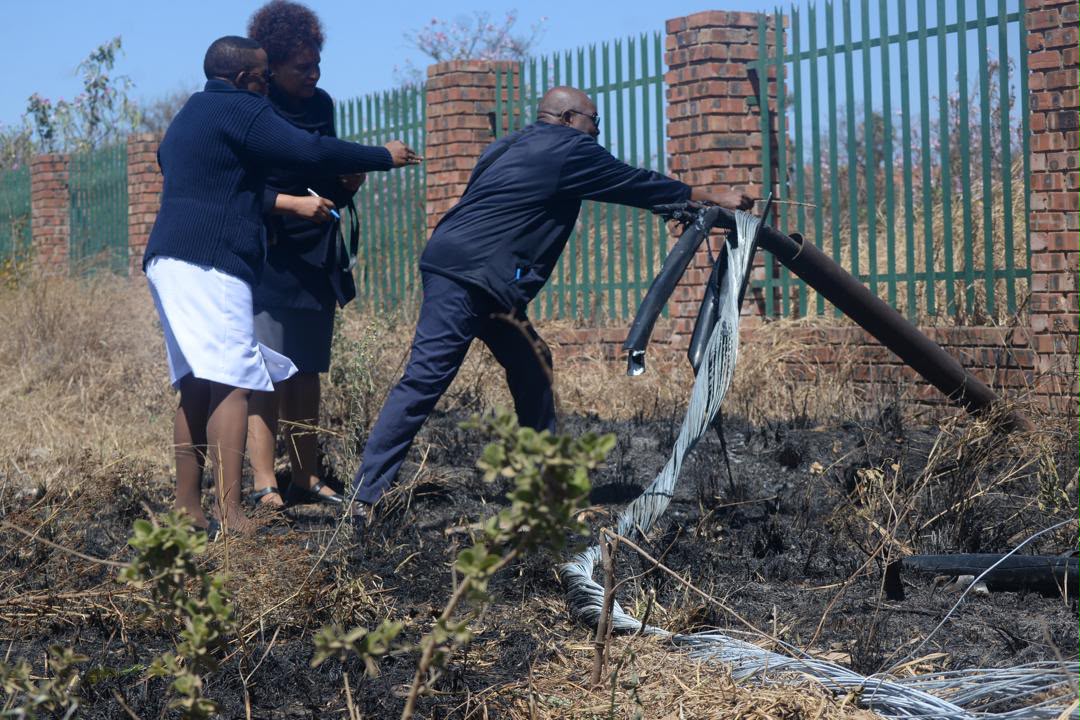
Raymond Jaravaza, [email protected]
MPILO Central Hospital in Bulawayo, the second largest referral hospital in the country, spends US$2 000 a day to keep the lights and critical equipment on whenever criminals targeting its electricity infrastructure strike, putting the lives of patients in theatre rooms, mothers in delivery rooms and babies on specialised breathing machines at risk.
The 1 000-bed health institution acts as a major tertiary referral and teaching hospital covering Bulawayo Metropolitan Province, Matabeleland North, Matabeleland South, Midlands and Masvingo provinces.
Over the years, Mpilo Hospital has been hit by a wave of infrastructural vandalism and theft of power cables, copper water pipes and stripping of geyser components.
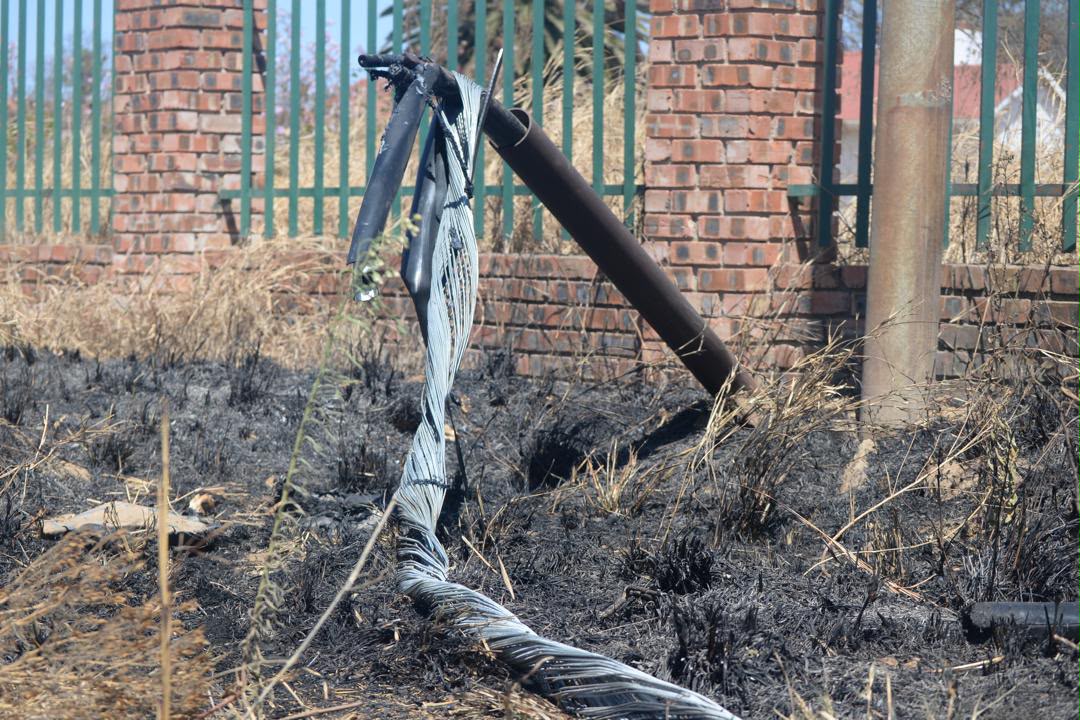
The latest wave of electricity cable theft that cut the health institution off the national grid for several hours while Zimbabwe Electricity Supply Authority (Zesa) employees worked tirelessly to restore power happened on Tuesday night. The criminals cut off a cable from the main Zesa line that feeds power into Mpilo Hospital around 12 midnight, briefly plunging the hospital into darkness.
Power was restored when diesel-powered generators were switched on.
No casualties were recorded as a result of the brief power disturbance. Mpilo Hospital chief executive officer Professor Solwayo Ngwenya is worried about the threat to human life that the vandalism of power infrastructure poses to patients.
“These heinous acts of vandalism and theft put the lives of patients in theatre, as well as babies on specialised breathing machines at risk,” he said in an interview yesterday.
“Mpilo Hospital has security teams that patrol the hospital but the cable theft happened outside our perimeter fence. The money we use to buy diesel for the generators could be better spent on medicines and other critical requirements for the hospital,” said Prof. Ngwenya.
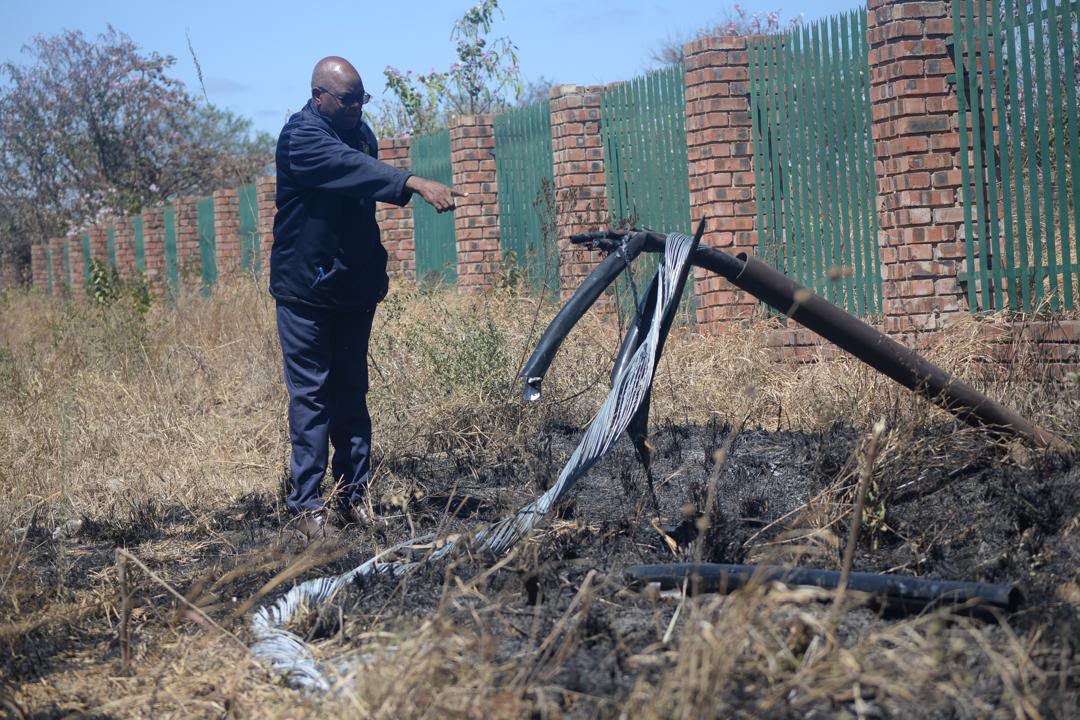
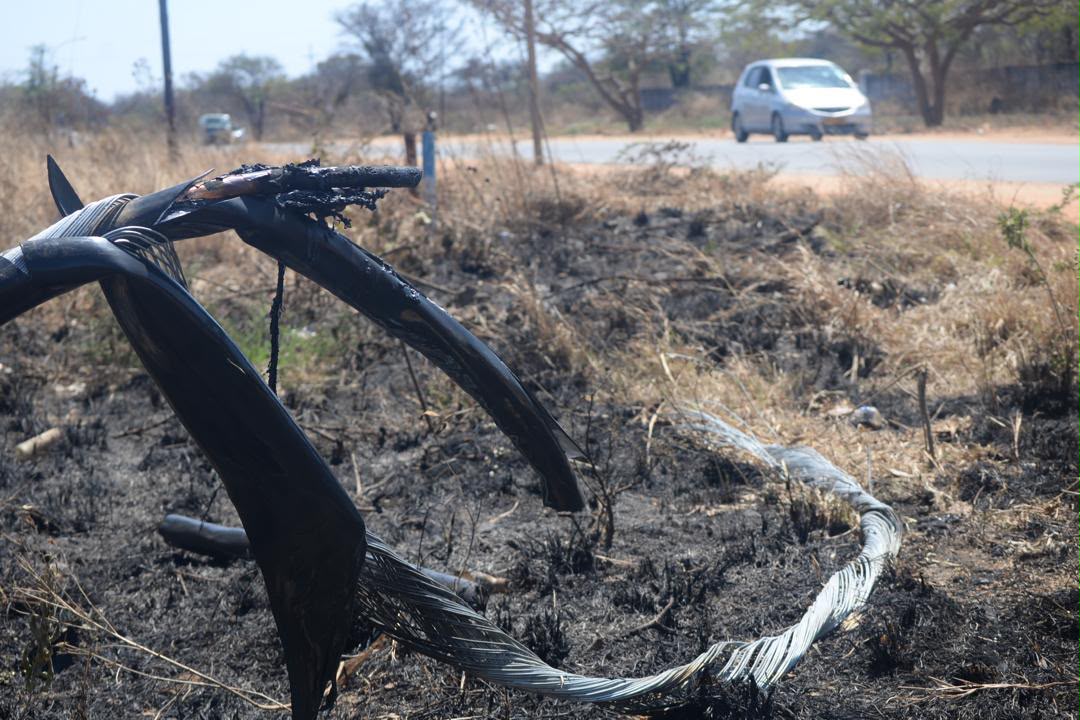
A Zimpapers news crew yesterday observed that about six metres of cables that connect the hospital from a ZESA power line had been stripped. The vandalised cable triggered a veld fire that burnt grass around the area.
Mpilo Hospital Acting Director of Operations and Principal Nursing Officer, Mr Phineas Sithole, said the hospital spends US$2 000 a day to keep the lights and critical equipment on using generators.
“In the several hours when the criminals vandalised our power supply source, we used close to 600 litres of diesel to keep our equipment working. These criminals have no respect for human life because how does a group of people target a huge hospital like Mpilo just to steal a few metres of copper,” he said.
“An attack on our power supply infrastructure is a deliberate attack on the lives of hundreds of patients that we serve daily,” said Mr Sithole.
“A lot of sensitive equipment has been damaged over the years when we lose electricity abruptly. We are one of the only two hospitals that offer MRI scans in the country and that equipment must always be on so we can’t afford to lose power due to vandalism and theft.”
The latest cable theft incident is the third in less than a year and a half following previous incidents when criminals have taken electricity infrastructure has been targeted at the hospital.
Last year, thieves broke into a ZESA sub-station housed in the hospital and stole infrastructure used to supply power to the referral hospital, forcing the medical institution to turn to diesel-powered generators.
ZESA has in the past reported over US$4 million per year in losses from cable theft and vandalism across the country.
Copper conductors, transformers, and high-voltage pylons have been frequent targets, with criminals causing widespread disruptions to power supply and economic activity.
Despite Government measures imposing a minimum jail term of 10 years for cable theft, the crime continues to plague the country.