Online Reporter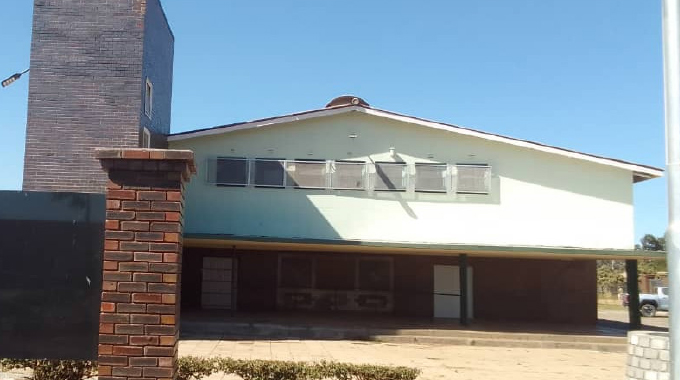
Patrick Chitumba, [email protected]
TUCKED in the heart of Mtapa suburb in Gweru, Mtapa Hall stands as a silent yet powerful symbol of Zimbabwe’s liberation struggle.
It was here, from May 21 to 24, 1964, that Zanu held its inaugural congress, a defining moment that set the tone for the armed resistance against colonial rule.
The congress was historic. It marked a critical shift from non-violent protest to armed confrontation, as leaders of the newly formed Zanu resolved to take up arms against the settler regime that had long dispossessed the black majority of their land and rights.
Key positions were filled at the gathering. The late national hero Cde Ndabaningi Sithole was elected as Zanu’s first president, deputised by the late Cde Leopold Takawira, with the late Cde Herbert Chitepo as national chairperson.
The party’s former secretary general, the late Robert Mugabe, was also elected at this congress, alongside Cde Morris Nyagumbo, who became national organising secretary.

As Zimbabweans prepare to commemorate Heroes Day and Defence Forces Day in August, Mtapa Hall’s legacy is once again in the spotlight, not just as a building, but as the birthplace of revolutionary ideals that ultimately liberated a nation.
Shortly after the 1964 congress, the colonial regime under Ian Smith banned Zanu. But the momentum had already shifted. President Mnangagwa and his fellow cadres, famously known as the Crocodile Gang, launched daring sabotage missions, including the bombing of a goods train in Masvingo, in defiance of the oppressive Rhodesian system.
That inaugural congress, held less than a year after Zanu’s formation in August 1963, came at a time when peaceful protests, boycotts and strikes by blacks in Rhodesia had yielded little. Brutally suppressed demonstrations had only led to deaths and mass arrests. The call for confrontation became inevitable.
Recalling that pivotal moment during a visit to Gweru on September 17, 2021, President Mnangagwa expressed deep nostalgia for Mtapa Hall.
“The thoughts of the events, which transpired on May 24, 1964, feel like it’s just yesterday, but it has been many years. On 24 May 1964, we had just arrived from China from training and we were able to be slipped in to attend the first congress of Zanu at that hall,” he said.
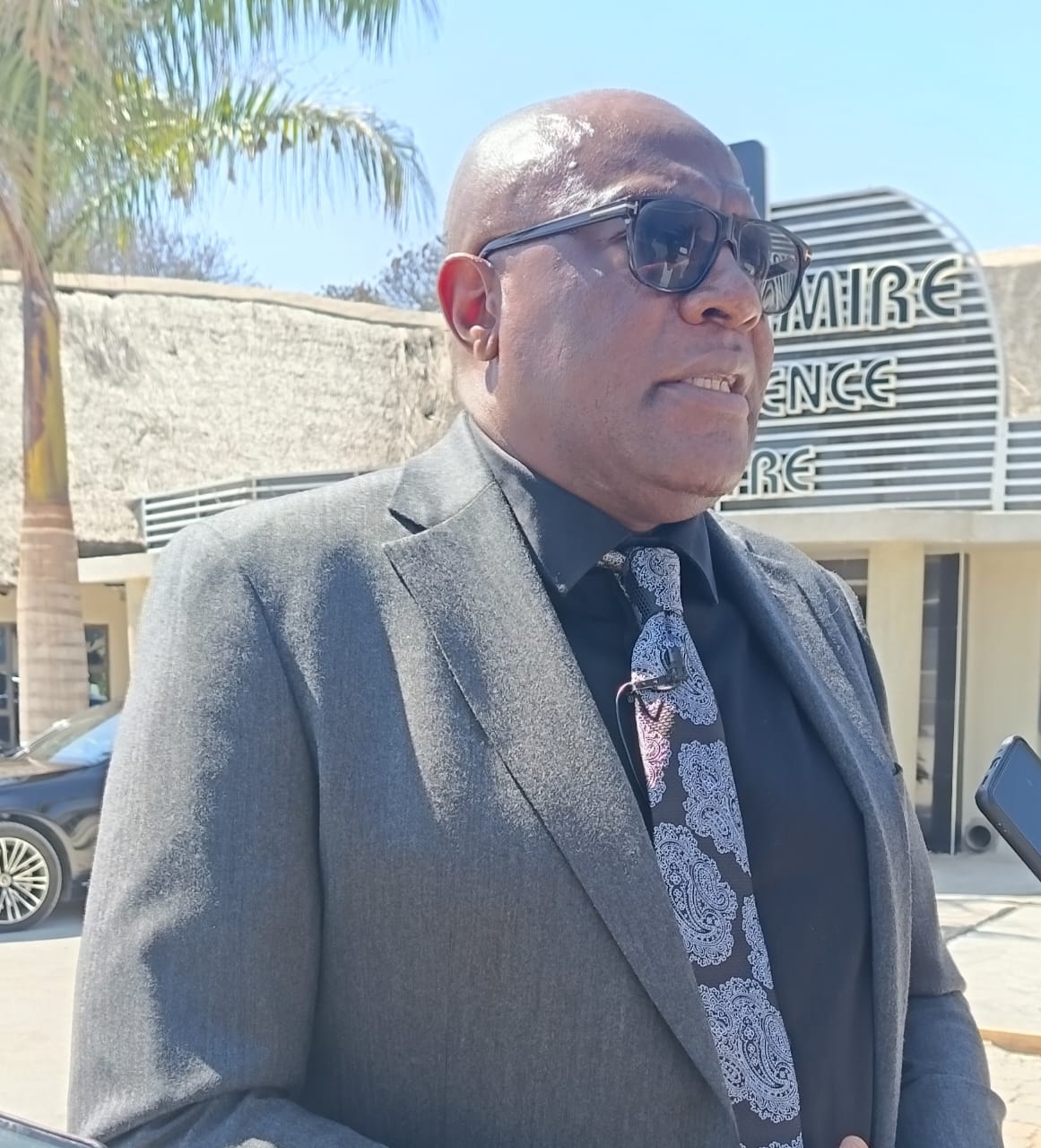
In an interview, National Museums and Monuments of Zimbabwe acting regional director for the southern region, Mr Clapperton Gutu, said Mtapa Hall is a symbol of resilience and sacrifice.
“It is here that a declaration was made that ‘we are our own liberators by direct confrontation’ was made. This declaration deviated from the previous endeavours, which were made in trying to win the country but were failing,” he said.
“I think you will realise that several negotiations had been made, but nothing was coming to fruition. After this congress, there was leadership that began to negotiate and saw Kenneth Kaunda of Zambia preparing a base for liberation fighters and Samora Machel of Mozambique also chipping in to help before some other countries also came on board to prepare liberation fighters to wage the liberation struggle.”
Mr Gutu said President Mnangagwa had just completed military training in China at the time, preparing for a new phase of the struggle.
“Following the congress, the settler regime intensified repression by imprisoning, torturing and targeting the new leadership. But it was too late. The fire had already been lit,” he said.
Today, Mtapa Hall is a designated national monument. Renovations are ongoing to preserve its historical value.
“The Government, through the National Museums and Monuments of Zimbabwe, is in the process of fully transforming Mtapa Hall into a historical site. It will serve as a lasting reminder of the birth of armed resistance and a beacon for future generations,” said Mr Gutu.
Home Affairs and Cultural Heritage Minister, Kazembe Kazembe, echoed the sentiment, emphasising that the hall is a living chronicle of Zimbabwe’s liberation story.
“Mtapa Hall will be telling history as it happened, leading to the attainment of the country’s independence,” he said.
Nationalist Cde Parwaringira Matiki recalled how, after the 1964 congress, Mtapa Hall was declared a no-go area for political meetings by the white minority regime.
“By the time I arrived in Gweru in 1969, political meetings had gone underground. We met secretly in houses. One comrade would act as a lookout from the rooftop. If police were spotted, they’d signal, and we’d go completely silent,” he said.
“After that, the hall was mainly used for boxing matches. Its political utility was under heavy surveillance.”
War veteran Cde Joseph Bvura (74), said the hall became a symbol of hope and risk.
“After the congress, we couldn’t freely associate with Zanu. All eyes were on Mtapa Hall. Even when I tried to cross into Mozambique for training, I was stopped. The hall represents a critical chapter in our story. The liberation narrative is incomplete without it,” he said.