

 malvernmugadzikwa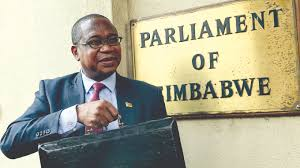
Business Reporter
Finance, Economic Development and Investment Promotion Minister Mthuli Ncube’s 2025 National Budget has sparked intense debate and scrutiny, with various stakeholders submitting their proposals and concerns to the Portfolio Committee on Budget, Finance, Economic Development and Investment Promotion.
This is ahead of debate and passing, by Parliament, of the 2025 National Budget.
The Committee, chaired by Clemence Chiduwa, received submissions from a wide range of organisations, including industry associations, labour unions, and civil society groups. These submissions highlighted the diverse challenges facing the Zimbabwean economy and offered recommendations for addressing them.
Key stakeholder concerns and proposals
The Confederation of Zimbabwe Industries (CZI) expressed concerns over the reduction of export orientation for SEZ companies, the high rental income tax, and the impact of IMTT on local products’ competitiveness. They also highlighted the need for a review of the sugar tax and a more flexible approach to tax collection dates for industry.
“The CZI welcomed the move to broaden the tax base and to promote industrialisation as well as the VAT deferment for the energy sector to improve
access to power.”
The Confederation of Zimbabwe Retailers (CZR) advocated for the removal of the proposed fast-food tax and betting tax, citing their impact on the poor. They also stressed the need to address the high cost of doing business, strengthen the local currency, and enforce measures to tax the informal sector.
“CZR proposed the removal of the proposed tax on fast foods and betting tax which seem to target the poor. There are a number of taxes charged purchase of food such as VAT, IMTT and the proposed fast-food tax which further burdens the poor. Such taxes need stakeholder consultations before they are introduced.”
Chamber of Mines
The Chamber of Mines of Zimbabwe raised concerns about the high-cost operating environment, particularly the impact of high royalties and taxes, electricity tariffs, and exchange rate losses. They called for a review of the royalty structure for platinum, diamond, and lithium, as well as the deemed date of sale for minerals.
“The Chamber noted that a number of measures that they proposed to improve viability were not considered in the 2025 National Budget Statement.”
Zimbabwe Chamber of SMEs
The Zimbabwe Chamber of SMEs proposed a broader definition of SMEs, increased funding for SMEDCO, and addressed the skills gap.
“Taxing betting is a welcome development as it discourages betting which was eating into productive time for employees.”
Cross Border Traders
Cross-border traders highlighted the challenges posed by high customs duties, artificial delays, and corruption at borders. They suggested taxing imports instead of banning them and reducing ZimBorder charges.
“They requested the reduction of the high charges by ZimBorder which is contributing to border evasion and smuggling.”
ICAZ, ZES, and ZCTU
These organizations expressed concerns about the impact of taxes on the poor, the need to move the economy up the value chain, and the high cost of living.
The Portfolio Committee on Budget, Finance, Economic Development and Investment Promotion has since made recommendations based on stakeholder input, and covers a wide range of sectors, from mining to the informal economy.
The Committee called for stricter regulations on the mining sector, including a ban on the export of raw PGMs and concentrates. It also recommends basing royalty payments on actual proceeds realized, rather than on proforma invoices. Additionally, the Committee proposes allocating a portion of net revenue to ZIMRA and securing a loan for the tax authority to acquire a building.
Taming the Informal Sector
To address the challenges posed by the informal sector, the Committee suggests utilising local authority registration databases to identify and tax informal businesses. This move is expected to increase Government revenue and level the playing field between formal and informal businesses.
The Committee has recommended several reforms to the tax system, including adjusting VAT payment deadlines, reviewing the fast-food tax, reducing customs duties on basic commodities, and revising the rental income tax rate. Furthermore, the Committee proposes increasing the royalty rate for quarry stones.
To improve financial management, the Committee recommends removing BEAM funds from the Ministry of Public Service, Labour and Social Welfare. Additionally, it calls for adjusting the currency of payment for PAYE and empowering ZIMRA to close non-compliant businesses.


 Online Reporter