Online Reporter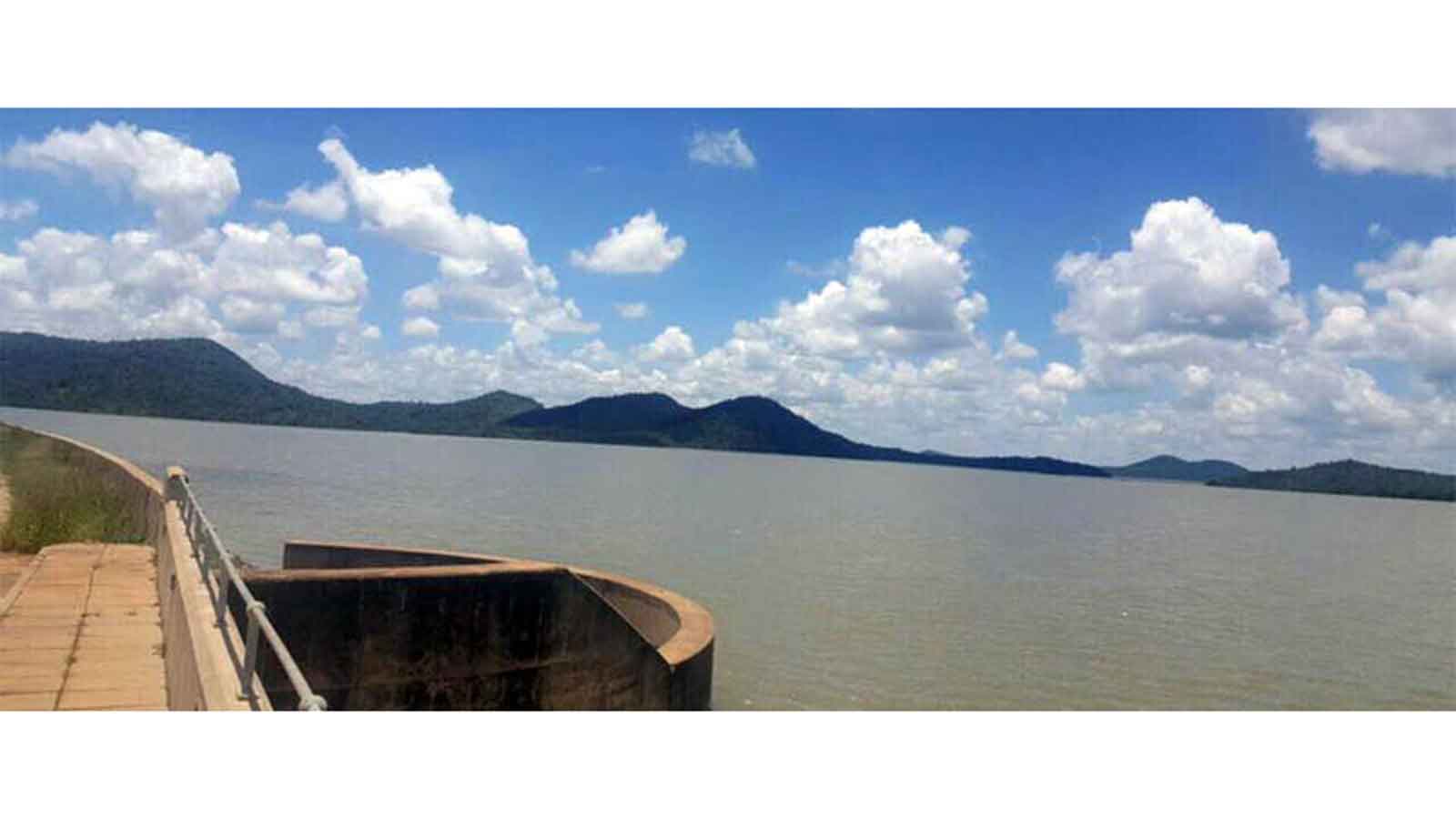
Richard Muponde-Zimpapers Politics Hub
THE spilling of Mtshabezi Dam for the first time in nine years has brought a momentary sense of relief and optimism to residents of Bulawayo, a city that has endured years of perennial water shortages.
Having last spilled in 2017, the dam’s overflow last week has been widely celebrated.
Mtshabezi Dam, with a capacity of 11, 4 million cubic metres, is one of six dams supplying Bulawayo, alongside Umzingwane, Inyankuni, Upper Ncema, Lower Ncema and Insiza. The dam’s overflow reflects improved rainfall patterns in the catchment, a rare and welcome occurrence after years of drought and climate stress.
Significantly improved dam inflows across the Matabeleland provinces have generated a surge of optimism within the farming community. This positive trend has elevated expectations for a bumper harvest, strengthening prospects for enhanced national food security as the consistent rainy season progresses.
According to the latest data from the Zimbabwe National Water Authority (ZINWA), the country’s major dams have now reached an average capacity of 89.1 percent. This robust water reserve signals a highly favourable outlook for sustained water availability and represents a critical foundation for irrigation-dependent agriculture in the coming season.
The country’s major dams are averaging 89,1 percent capacity, marking a positive outlook for water availability and irrigation-driven agriculture.
Several other dams in the Matabeleland region — including Antelope, Ingwizi, Silalabuhwa, Tuli Makwe, Mangwe, Zhovhe, Shashani, Maleme and Mbembeswane — are close to the 100 percent mark.
Bulawayo’s water challenges have persisted for more than two decades, driven largely by its semi-arid location, low and erratic rainfall, and climate change. The Umzingwane catchment is particularly vulnerable to drought.
Compounding this vulnerability is severe siltation, which has progressively reduced the effective capacity of existing dams. Even when dams appear full, their ability to sustain supply through dry seasons is significantly compromised.
Aging pipelines, frequent bursts, vandalism and limited financial resources have further strained Bulawayo’s water delivery system. These challenges have persisted across administrations, underscoring that the crisis is as much institutional and infrastructural as it is environmental.
During the First Republic, Government efforts focused largely on maintaining existing infrastructure and managing demand through rationing. While these interventions prevented total system collapse, they failed to deliver a transformative solution.
A notable historical development was the decommissioning of Khami Dam in 1988, Bulawayo’s oldest water source. Khami Dam was taken out of service due to severe pollution from industrial effluent and sewage contamination, rendering the water unsafe for human consumption. Its closure removed a critical buffer from the city’s supply system and decades later, debates around its possible reuse remain contentious due to health concerns.
2nd Republic acceleration: A shift in strategy
Under the Second Republic, led by President Mnangagwa, there has been a more deliberate push toward long term, strategic water solutions aligned with national development objectives. Central to this renewed focus is the Matabeleland Zambezi Water Project, anchored by the Lake Gwayi-Shangani Dam and the pipeline from the Zambezi River through Gwayi to Bulawayo and beyond.
President Mnangagwa has consistently acknowledged Bulawayo’s water crisis and framed Gwayi-Shangani as a definitive solution.
Speaking on the challenge, he lamented the prolonged challenges faced by the city’s residents.
“My Government made a decision that this issue must be resolved once and for all. Bulawayo cannot continue to suffer perennial water shortages when Zimbabwe is endowed with abundant water resources like the Zambezi.”
The project, once completed, is expected to provide sustainable, high-volume water supplies, not only to Bulawayo but also to surrounding regions, supporting industrialisation, agriculture and energy generation. While progress has been made, funding constraints and timelines remain a concern, necessitating accelerated implementation.
As a medium-term intervention, the proposed Glassblock Dam in Matabeleland South has gained prominence. Designed under a Public-Private Partnership (PPP) model, Glassblock Dam is envisaged as a critical supplementary water source capable of easing pressure on existing dams while larger projects like Gwayi-Shangani are finalised.
The Bulawayo City Council has also proposed drawing water from Khami Dam as an emergency or supplementary measure, although this remains controversial due to historical pollution. Any reuse would require advanced treatment technologies and public confidence in water safety.
In addition, groundwater exploration, deep borehole drilling and aquifer studies offer short-term relief options, though these require scientific assessment to ensure sustainability and protection from vandalism.
When rains fall and dams like Mtshabezi spill, the relief among residents is immediate and tangible. Such moments rekindle hope and affirm the importance of protecting catchment areas. However, relying on rainfall alone is not sustainable. More should be done.
Authorities must therefore treat these positive developments as a window of opportunity, to fast-track infrastructure projects, rehabilitate existing systems, and secure diversified water sources before the next drought cycle sets in.
The spilling of Mtshabezi Dam is a welcome, but temporary, reprieve for Bulawayo, a reminder that nature can still offer relief, even as structural challenges persist. The city’s long term water security lies in collective action between residents, local authorities and central Government.
As Bulawayo seeks to reclaim its status as Zimbabwe’s industrial hub, residents are urged to work hand-in-hand with Government.
Only through unity, sustained investment and decisive implementation of long-term water projects can Bulawayo finally turn short-term relief into permanent water security.