Online Reporter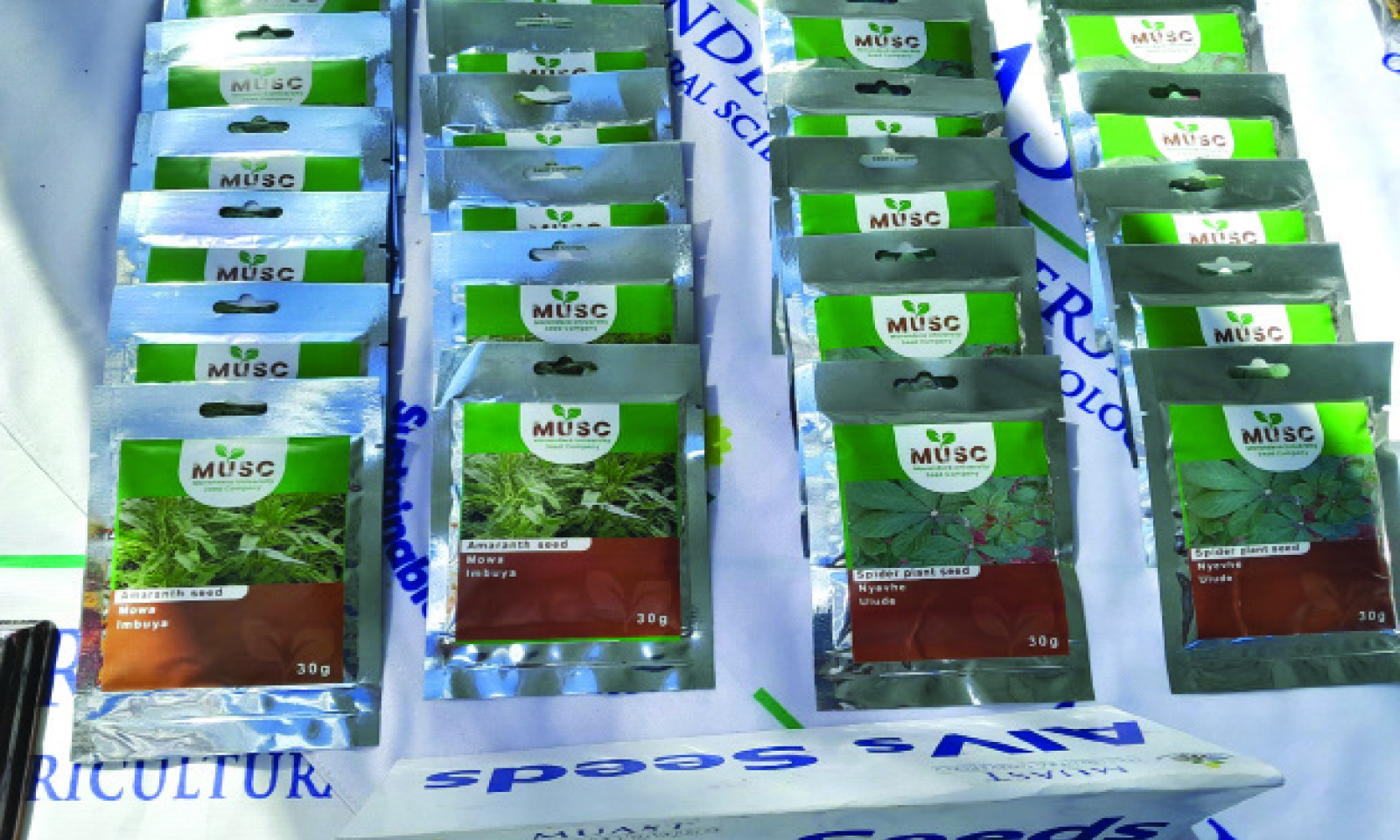
Victor Maphosa
Mashonaland East Bureau
MARONDERA University of Agricultural Sciences and Technology (MUAST) is scaling up production of African Indigenous Vegetables (AIVs) in a bold step towards enhancing food security, nutrition and sustainable agriculture through innovation.
Because of this advancement in innovation, Zimbabwe is set to witness a renewed focus on AIVs, thanks to Government funding and collaborative efforts by researchers, farmers and development partners.
AIVs such as Amaranthus (Mowa), Cleome gynandra (Nyevhe), Spider plant, Blackjack (Tsine) and Nightshade (Musungusungu) have long been staples in traditional diets across the country.
Once overlooked in favour of exotic crops, these highly nutritious and climate-resilient vegetables are making a strong comeback and will have a lasting impact on traditional diets.
These vegetables are rich in essential micronutrients like iron, zinc, calcium and vitamins A and C, which are critical in addressing malnutrition, especially among women and children.
Moreover, research shows that they offer income-generating opportunities for rural households, with urban markets now showing growing demand for fresh and processed AIVs.
In 2024, MUAST participated in the Presidential Innovation Fair held in Harare, where the institution exhibited the Cleome gynandra species, popularly known as Nyevhe, as well as the Amaranthus species, known in vernacular as Mowa, which won the first runner-up prize in the Agriculture Innovation category.
Since then, the university, which is the only fully-fledged agriculture university in Zimbabwe, has made significant inroads in their research on other species.
African Indigenous Vegetables Institute director at MUAST, Mr Kenedy Simango, said they have made progress in scaling up production of other indigenous vegetables.
“Last year, at Marondera University of Agricultural Sciences and Technology, we had the opportunity to participate in the Presidential Innovation Fair held at the Harare International Conference Centre.
Our projects featuring Cleome gynandra (Nyevhe) and Amaranthus species (Mowa) won the first runner-up prize in the Agriculture Innovations category.
At that time, there were no AIV seeds available on the local market, and farmers had to rely on borrowing seeds from one another or retaining seeds that were sometimes not viable.
“We focused on two types of AIVs: Nyevhe and Mowa. To scale up production, we engaged farmers in an outgrower scheme in the Marondera district to increase seed supply.
Additionally, we introduced more vegetable varieties to ensure inclusivity, aligning with the President’s mantra of leaving no one behind.
“We are proud to announce that we now have eight different AIV varieties available on the market: two Mowa, two Magaka eminzwa, one Nyevhe, one Muboora and two Mutsungutsungu varieties. Ongoing research and extension programmes are working on improved AIV varieties that offer higher yields, better pest resistance and extended shelf life.
“These initiatives are led by the African Indigenous Vegetables Institute at Marondera University of Agricultural Sciences and Technology, with support from the Government of Zimbabwe. Our breeding programmes focus not only on preserving traditional genetic diversity but also on enhancing traits that matter to today’s farmers, like drought tolerance and market appeal,” he said.
He thanked the Government for the continued support in their research journey.
“This significant progress has been achieved through strategic Government funding and policy support. The ministry’s focus on promoting underutilised crops as part of the Zimbabwe Agricultural Growth Plan has been crucial. We sincerely thank the Government of Zimbabwe for its visionary leadership and financial dedication to revitalising indigenous food systems.”
Besides making strides in their research, he said the institution is facing some challenges that need to be addressed as a matter of urgency.
“The challenge we encounter is the lack of adequate infrastructure for post-harvest handling and processing.
“To fully realise the potential of indigenous vegetables, we must increase investments in value chains, enhance consumer education and implement supportive policies that empower this sector.
“Moving forward, new varieties of AIVs are being introduced across various provinces through farmer field schools and community seed banks.
“This initiative is helping local producers transition from subsistence farming to commercialising these crops. With ongoing support from the Government and various partners, the AIV revolution is making significant progress.
“As climate change intensifies and nutritional needs increase, these robust, health-enhancing crops are poised to become essential components of a more resilient and inclusive agricultural future,” he said.