Online Reporter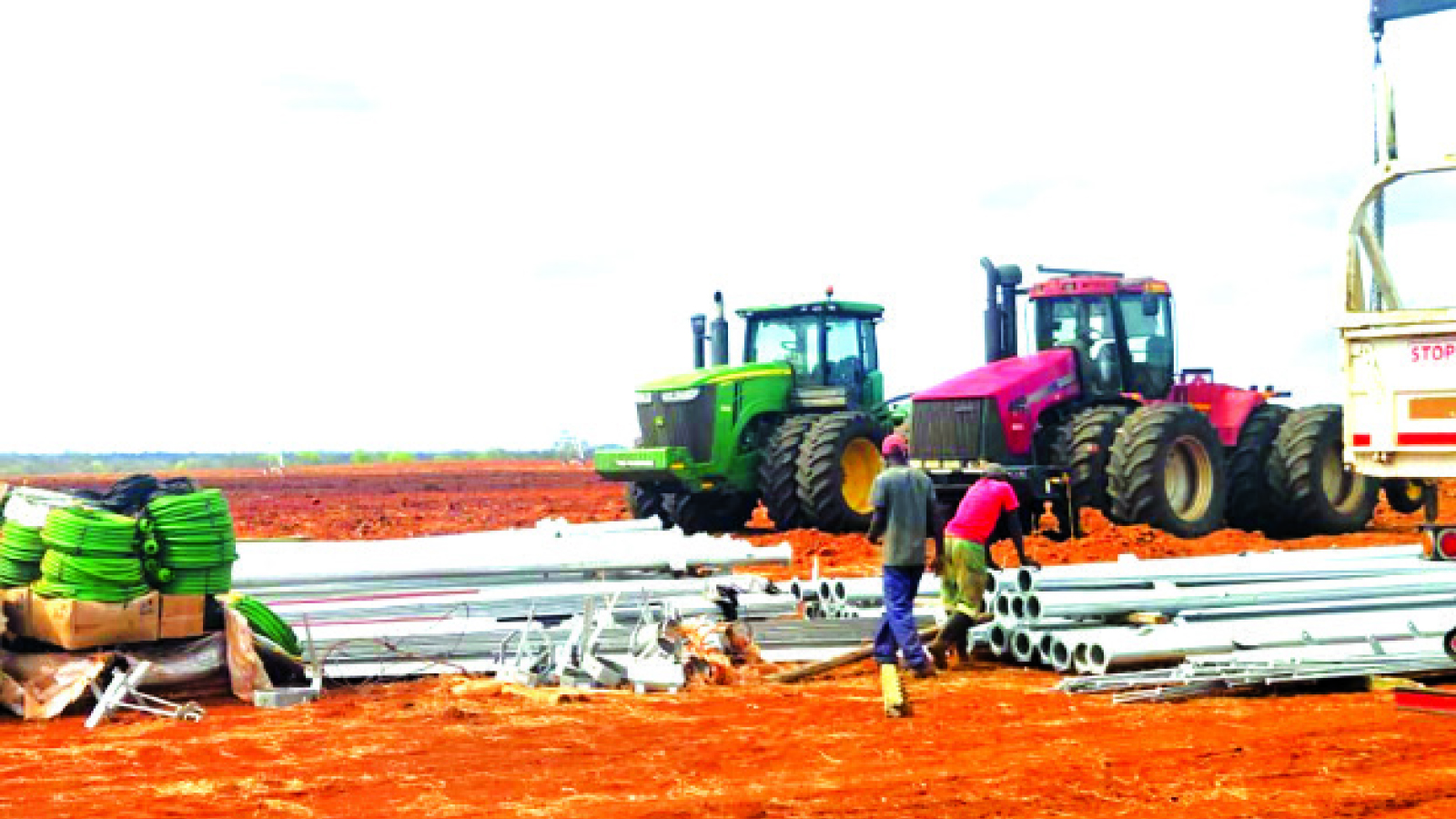
George Maponga-Masvingo Bureau
A VAST greenbelt irrigated by Tugwi-Mukosi Dam water is steadily taking shape in the Lowveld, marking a major milestone in the Government’s plan to transform Masvingo province into an agricultural and agro-industrial powerhouse.
At Nuanetsi Ranch in Mwenezi, more than 2 000 hectares (ha) have already been cleared by seven private investors who are establishing sugar cane, citrus and lucerne plantations as part of the Integrated Lowveld Irrigation Development Master Plan.
The project, which represents the first phase of an ambitious plan to develop a 200 000ha green corridor, is expected to spur large-scale food production, agro-processing and rural industrialisation across the southern Lowveld.
Masvingo province, which holds about 52 percent of Zimbabwe’s surface water, is home to the country’s two largest inland dams — Tugwi-Mukosi and Lake Mutirikwi — whose vast and underutilised water reserves are now being channelled to unlock the region’s agricultural potential.
Under the master plan, the Government has partnered private investors to fully utilise Tugwi-Mukosi water to create a continuous green zone stretching from Rutenga in the west to Chiredzi in the east, with Nuanetsi Ranch serving as the nucleus of the development.
Private investment
Seven companies — Byword Enterprises, Lamcent Agriculture, Lyonais Investments, Green Corridors, Mossfield Farms, Zimbrands and Honzero Agro Projects — have been allocated a combined 25 000ha at Nuanetsi for the first phase.
Each investor is developing between 2 500ha and 5 000ha, with long-term plans to establish a new sugar mill at Nuanetsi to complement existing milling operations at Triangle and Hippo Valley.
So far, more than 500 direct jobs have been created, with the number expected to grow as more land is developed.
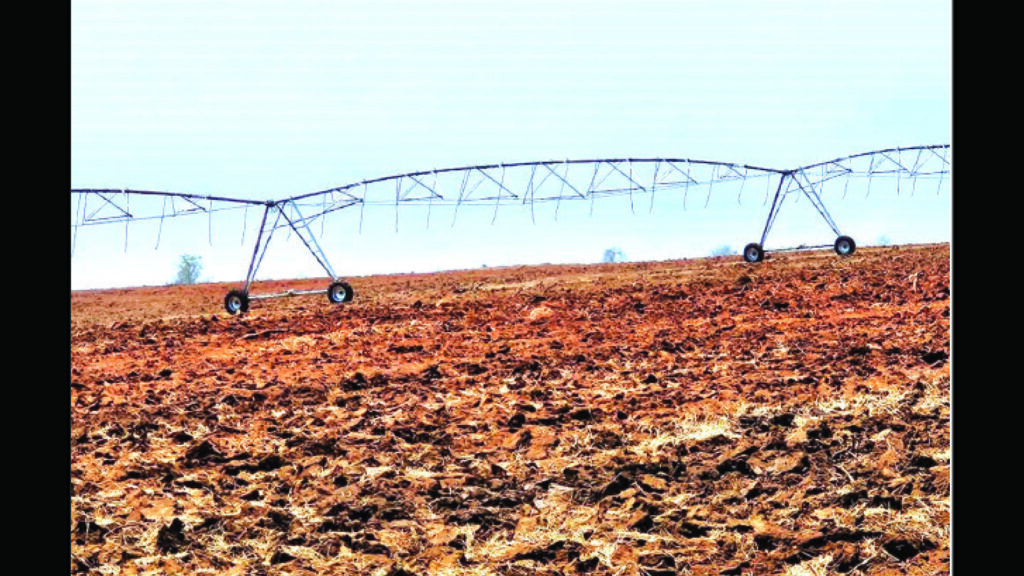
At Nuanetsi Ranch in Mwenezi, more than 2 000 hectares have already been cleared by seven private investors who are establishing sugar cane, citrus and lucerne plantations.
Speaking after touring the site recently, Minister of State for Masvingo Provincial Affairs and Devolution Ezra Chadzamira commended the progress made and urged investors to continue employing local people, especially those being relocated to make way for the project. “As Government, we are guided by President Mnangagwa’s mantra of leaving no one and no place behind,” he said.
“We want our investors here at Nuanetsi to prioritise locals so that communities in Mwenezi directly benefit from this development.
“This project is testament to the Second Republic’s Vision 2030, and we are excited as a province by socio-economic prospects that are accruing from this project.”
The project dovetails with Masvingo’s plan to grow its provincial economy to US$8 billion by 2030, driven by agriculture, energy and industrial value addition.
Water, energy and people
The Development Trust of Zimbabwe (DTZ), which owns Nuanetsi Ranch, is coordinating the project and has confirmed significant progress.
DTZ general manager Mr Emmanuel Jaricha said about 124ha had already been put under sugarcane, with 2 000ha fully developed so far.
“We have relocated 130 families so far out of the 2 114 that will eventually move,” said Mr Jaricha.
“Investors are drilling boreholes and setting up social infrastructure for the affected families. Eight boreholes have already been drilled and more are being developed. To date, 508 people are formally employed here, and that number continues to grow.”
In addition to agricultural investments, two solar farms are being developed and are expected to generate a combined 90 megawatts.
One of the investors, Mr Lawrence Mahakwa, director of Lyonais, said his company was fully committed to the project.
“We are committed as investors to fully developing this project that will engender socio-economic transformation in Mwenezi and Chiredzi in particular and Masvingo province in general,” said Mr Mahakwa.
“This project speaks to Vision 2030 that is being spearheaded by our President to transform Zimbabwe into an upper middle-income economy and we pledge to continue doing our best to make sure agriculture regains its yesteryear lustre as an anchor of Zimbabwe’s economy.”
Commissioned in 2017, Tugwi-Mukosi Dam has the capacity to irrigate over 40 000ha, but until now, much of its water has remained untapped. The Nuanetsi greenbelt marks the first major step towards fully utilising this strategic resource for irrigation, energy generation and industrialisation. With vast tracts of land, abundant water and growing private investment, the Lowveld is poised to become one of Zimbabwe’s most productive agricultural zones.