Moffat Mungazi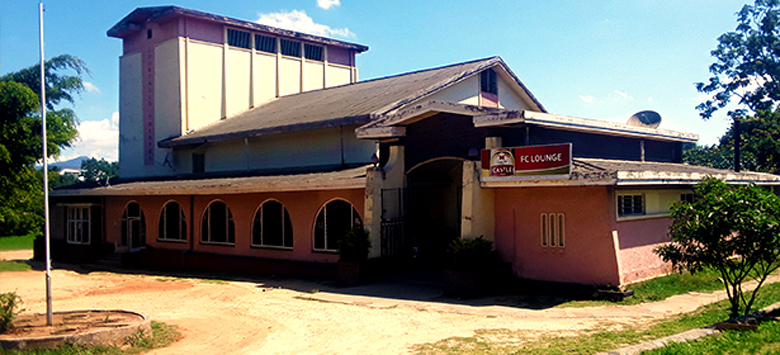
Ray Bande
Senior Reporter
IT is common knowledge that a public asset refers to something of value owned and managed by a government or public entity for the benefit of the general public.
Such assets can be physical, like infrastructure (roads, bridges, and buildings), or cultural assets, or intangible, including intellectual property or public information. Public assets are often utilised to provide services and infrastructure for the community.
Courtauld Theatre in Mutare is a prime example that comes to mind.
This esteemed venue has long been a citadel of high-profile arts entertainment, renowned for its class and elegance.
For many budding artistes, particularly those hailing from the country’s eastern border city, performing on stage at Courtauld Theatre was once a coveted dream.
However, over time, the theatre’s glitz and glamour have somewhat faded.
To contemplate an artiste falling from the stage into the dark underground rooms due to structural weaknesses is, not only horrific, but also humiliating.
Just as Mutare City Council has endeavoured to restore other public assets such as Sakubva Stadium’s drainage system, to their former glory, the local authority’s takeover of Courtauld Theatre could be the first step towards its revival.
Addressing journalists at a Press conference last Friday, Mutare City Council Town Clerk, Mr Blessing Chafesuka confirmed the local authority’s official takeover of the facility.
“The City of Mutare has officially taken possession of Courtauld Theatre, following a protracted legal process to reclaim a public asset that had been unlawfully occupied for several years. This action marks the culmination of a long-standing effort to enforce court rulings, and restore the theatre to its rightful owner – the people of Mutare,” said Mr Chafesuka.
Although the initiative may seem heavy-handed to a few individuals and families who benefited financially from the public asset, it ultimately serves the public good, particularly to the arts and entertainment industry.
Rising Mutare Afro-jazz artiste, WaChari, welcomed the development.
“This is a cause for celebration among all well-meaning artistes, as it ensures equal opportunities for all. Without disparaging those who previously controlled the theatre, the council’s takeover ensures that the entire community benefits directly, rather than just a select few individuals,” said WaChari.
Veteran music producer, Peter Mparutsa agreed.
“If this is done correctly, artistes will greatly benefit. It is a stark contrast to the theatre being run as a private entity. However, we must wait and observe the local authority’s approach to determine whether it is beneficial for artistes, in which case we wholeheartedly applaud the move,” he said.
Mr Chafesuka reiterated the value of the new development to artistes, saying: “The city wishes to publicly clarify the facts surrounding this eviction and categorically reject any misleading claims or insinuations that this move constitutes an attack on the arts community. These allegations are unfounded, and do not reflect the truth of the matter.”
Providing a report on the current condition of the theatre, Mr Chafesuka said: “During the period of unauthorised occupation, the Courtauld Theatre complex – including the theatre, ballroom, and other arts-related offices – suffered severe neglect. The building is currently in a state of disrepair, and will require extensive renovations before it can be safely reopened for public use.
“More concerning is the fact that the theatre has been misused, and converted into spaces for non-cultural purposes, including salons, car washes, private offices, and illegal food outlets – all contrary to its original intended use as a cultural and artistic venue.
“This inappropriate usage, not only degraded the physical structure, but also undermined the heritage and purpose of the facility. In particular, the main theatre room was significantly damaged, with the stage now deemed unsafe for use. Reports indicate structural weaknesses and poor maintenance that have compromised the integrity of the performance space. As a result, the City of Mutare had to manage legal claims from individuals who sustained injuries while on the stage during the period of unlawful occupation.”
Moving forward, Mutare City Council has plans to extensively renovate the theatre.
“The City of Mutare reaffirms its commitment to preserving the cultural heritage of Courtauld Theatre and enhancing its value to the community. As a Government-owned property, the theatre cannot be left in the hands of private individuals, nor can its use be altered.
“Contrary to misinformation circulating in some media outlets, there are no plans to demolish or repurpose the theatre itself. Instead, the city intends to expand its function by incorporating the Mutare City Museum into the same premises, thereby enriching its cultural and educational offerings.
“Equal access for all artistes will be ensured, as the renovated theatre will be available for use by all artistes and cultural groups in Mutare on fair and equitable terms. Former occupants, including Mr Henry Tsopotsa and his team, will have access to the theatre like any other citizen or group.
“New office facilities for the Director of Housing and Community Services (which includes responsibility for arts and culture) are planned on adjacent land within the same stand. These facilities will be separate from the existing theatre complex and will not compromise the integrity of the historic structure. An architect has already been engaged to commence work on these new buildings,” he said.
Courtauld Theatre was initially operated by the Courtauld Players Association under a Deed of Transfer, which explicitly stipulated that upon the association’s dissolution, ownership of the property would revert to the City of Mutare.
In accordance with this agreement, the association formally dissolved and transferred ownership of the theatre to the city.
However, before the city could assume control, Mr Tsopotsa and his associates unlawfully seized the premises.
They operated the facility as their own, generating revenue from rentals, while excluding the city from its rightful benefits.
In response, the city initiated legal proceedings in 2016 to evict the unlawful occupants.
After nearly eight years of litigation, the court issued an eviction order in 2023, which the occupants subsequently appealed to the High Court, but their appeal was dismissed in August 2024, thereby affirming the city’s legal right to possession.



 Online Reporter