Online Reporter
Liberty Dube
Entertainment Correspondent
WHEN creative leaders gather on the African continent to shape the future of artistic expression, the conversations often ripple far beyond the conference halls.
For Chenhaka Arts Trust director and local creative, Taurai Moyo, February was a defining moment, not just for his own journey, but for the broader creative community he represents in Mutare and across the country.
From February 4 to 9, Moyo was among a selected group of delegates at the third PANAF Summit held in Addis Ababa, Ethiopia, which was an influential gathering that continues to grow into one of Africa’s most important platforms for artistic freedom and cultural dialogue.
The summit brought together an eclectic mix of artistes, cultural practitioners, policymakers, academics, civil society actors, and Government representatives from across the continent and beyond, all united by a shared commitment to advancing the creative sector.
His participation came through an official invitation from Selam, a Sweden-based international arts organisation and partner in the Connect for Culture Africa project.
For Moyo, the invitation was, not just recognition of his work, but a continuation of a journey he began at the previous edition of the summit in Zanzibar.
Having attended the second PANAF Summit last year, Moyo said he returned with a deeper sense of purpose keen to build on past engagements and contribute more meaningfully to conversations shaping Africa’s creative future.
The Addis Ababa edition proved to be even more impactful, offering a rich programme of discussions, workshops, and collaborative sessions that examined both the opportunities and constraints facing artists across the continent.
“Attending the summit was both an honour and a deeply enriching experience. It brought together voices from across Africa and beyond, creating a powerful platform where we could openly discuss the realities of artistic freedom.
“What stood out for me was the honesty in the room — the willingness to confront the challenges we face as creatives, from limited funding opportunities to policy restrictions, while also exploring practical solutions that can help us move forward as a sector,” said Moyo.
Throughout the summit, delegates engaged in critical conversations around policies affecting artistic practice, funding structures, and the broader societal dynamics that influence creative expression.
These discussions were not merely theoretical but they were grounded in lived experiences, making them all the more relevant and urgent.
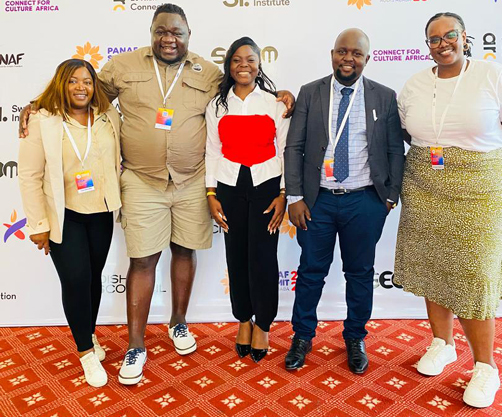
For Moyo, the collaborative nature of the summit was particularly significant.
Group discussions and interactive sessions allowed participants to exchange ideas, share strategies, and build networks that extend beyond borders.
These engagements have already begun to shape his approach to advocacy and programming back home.
“Platforms like PANAF are essential for building the confidence and capacity of artists.
“They allow us to learn from each other, to understand how different countries are navigating similar challenges, and to strengthen our collective voice.
“I returned home with renewed energy and practical insights on how we can better support artists in our communities, especially in areas like policy engagement and sustainable funding,” he added.
He called upon Zimbabwean artists, particularly those in Mutare and the wider Manicaland province, to take advantage of similar opportunities on the continental stage.
Among the upcoming events he highlights are the Creative Industries Business Summit and the Africa Business Market, scheduled to take place from June 29 to July 2 in Lusaka, Zambia.
These gatherings, he added, are gateways to growth, offering artists the chance to connect with new audiences, explore markets, engage with policymakers, and build relationships with promoters who play a crucial role in shaping the industry.
He added: “Artistic freedom is a fundamental right that every creative must be able to enjoy. When artists are free to express themselves, they contribute meaningfully to society by telling our stories, challenging norms, and inspiring change.
“Summits like PANAF equip us with the tools, knowledge, and networks needed to safeguard that freedom and to push for environments where creativity can flourish without fear.”