Chronicle Editor
Nqobile Bhebhe, [email protected]
REHABILITATION of the Mutare-Machipanda railway line aimed at ensuring the smooth movement of passenger and freight trains, thereby boosting trade by directing traffic towards export ports, has started.
Phase one of the project, which involves extending the 10km railway line, began on Monday last week and is expected to be completed within 49 working days.
The refurbishment is a joint initiative between the National Railways of Zimbabwe (NRZ) and Mozambique’s state-owned ports and rail company, Mozambique Ports and Railways (CFM).
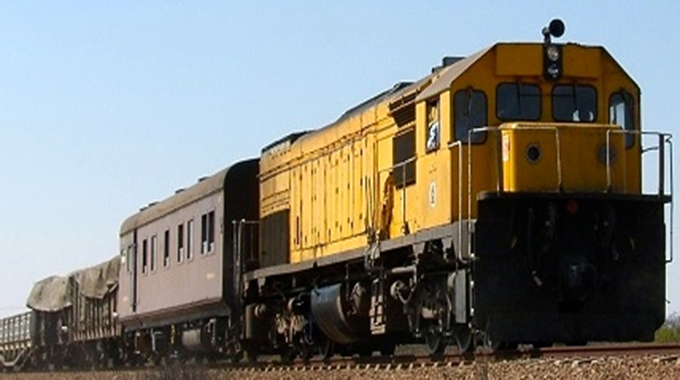
In 2022, President Mnangagwa joined his Mozambican counterpart, President Filipe Nyusi, to oversee the commissioning of the rehabilitated US$200 million Beira-Machipanda railway line.
NRZ public affairs and stakeholder relations manager, Mr Andrew Kunambura, told Business Chronicle that there is a collaborative effort between NRZ and CFM on the Mutate-Machipanda line. “As part of our agreement, NRZ trains will move to Beira while CFM trains will move to Harare,” said Mr Kunambura.
“After engagements between the CFM board and NRZ, it was agreed that assistance has to come through in the form of 3 000 sleepers and fasteners for damaged areas and rails, six kilometres in length for sharp curves. As of now, we have received sleepers and fasteners. Therefore, work started last week on Monday and we have about 19 track workers in Mutare and we recruited 21 short-term contract workers to assist,” he said.
The work entails re-sleepering on damaged curves and straights due to derailments

“Once we are done with the project, we expect that it will link up with the rehabilitation works done by CFU from Beira into Machipanda where upgrades were being done, so that they could push their traffic without any hustles. This is part of a bigger picture of having the two administrations running through Harare to Beira and vice versa.”
NRZ has in recent years been knocking on the doors of many potential investors, pitching various investment projects, in an attempt to modernise its services and operations.
Lack of investment, mainly in freight wagons and the rail system, has negatively impacted NRZ over the past two decades, reducing its cargo-carrying capacity from an average of 18 million tonnes per annum in peak years in the late 1990s.


 Online Reporter