Online Reporter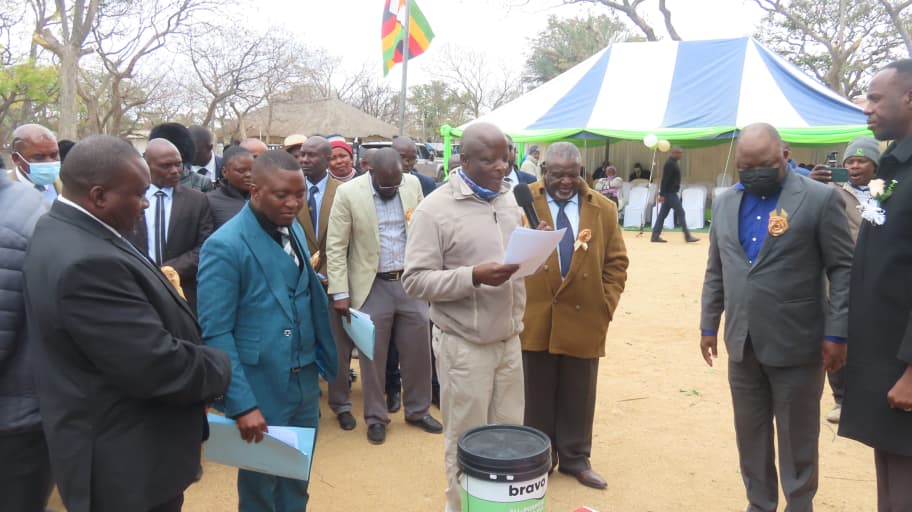
Mthabisi Tshuma, [email protected]
BULILIMA’S most remote communities are set to benefit from a major boost to health and education infrastructure after safari operator Mvimi Safaris donated building materials worth US$20 000 to support development projects in Campfire wards.
For many villagers, the donation represents more than just bricks, cement and fencing materials. It offers renewed hope that long-awaited clinics and schools, some of which have faced delays due to shortages of building supplies, can finally move closer to completion. In communities where residents often travel long distances to access healthcare or educational facilities, every new classroom, consultation room and completed building has the potential to make a meaningful difference to daily life.
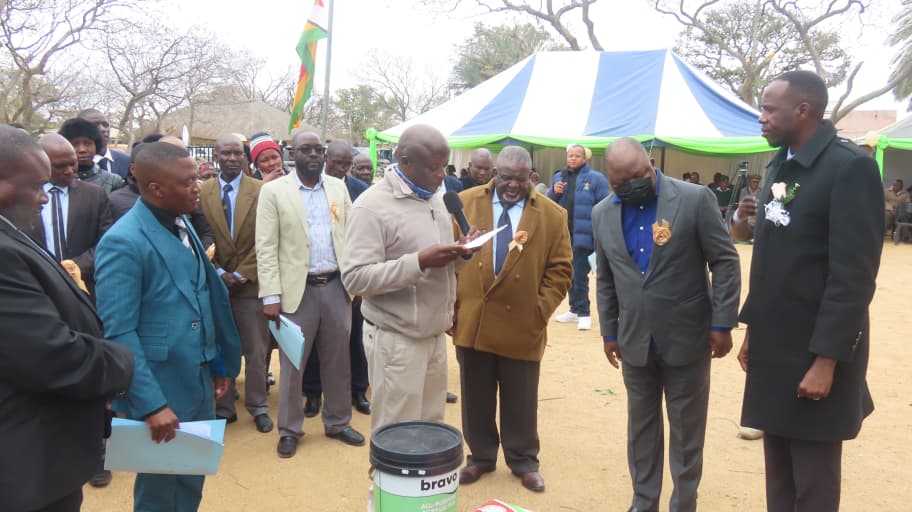
The donation, made through Bulilima Rural District Council, forms part of Mvimi Safaris’ corporate social responsibility programme and reflects a growing recognition that sustainable conservation must deliver practical benefits to the people living alongside wildlife.
The package includes a wide range of building materials required for ongoing construction projects across the district. Among the items are 24 standard 115 x 0.8mm door frames, 24 standard 230 x 0.8mm door frames, 500 rolls of 115mm x 20m brick force and 500 rolls of 230mm x 20m brick force, which will be used to strengthen masonry work on various community structures.
Additional materials include 20 sheets of S193 builder mesh wire measuring 2.4 metres by 1.4 metres, 12 rolls of 1.8-metre by 100-metre field fence and 12 rolls of 1.7mm by 800-metre galvanised barbed wire. These materials will be used to secure school and clinic grounds, helping to create safer learning and healthcare environments.
The donation also includes 50 drums of 20 litres each of NCA100 Newcoat Acrylic PVA White paint, 12 C2H six-panel window frames with fittings, 12 D2H panel window frames with fittings and 600 bags of 50kg cement.
These materials are expected to accelerate construction work, particularly bricklaying, plastering and finishing works at project sites across the district.
Speaking during the handover ceremony, Mvimi Safaris operations manager Mr Bongani Mathe said the company viewed the donation as an investment in both community welfare and long-term partnership building.
“We are extremely proud to have contributed building materials towards the completion of these offices, and we are pleased to extend our support directly to the communities of Bulilima through the donation of building materials for community projects,” said Mr Mathe.
His remarks highlighted a philosophy that is increasingly gaining ground within the conservation sector: that communities must see tangible benefits from natural resources if conservation efforts are to succeed over the long term.
Bulilima is home to communities that live in close proximity to wildlife. While these communities play an important role in conservation, they also face challenges associated with sharing space with wild animals. As a result, many conservationists argue that local residents should benefit directly from wildlife-related activities through jobs, infrastructure development and community projects.
Mr Mathe said this belief is central to Mvimi Safaris’ operations.
“At Mvimi Safaris, our main focus is sustainable conservation, and we believe that conservation and community development must go hand in hand because the communities living alongside wildlife must also benefit meaningfully from the natural resources we seek to protect,” said Mr Mathe.
For many residents in rural districts, access to quality healthcare and education remains a challenge. In some areas, pupils study in overcrowded classrooms while communities continue fundraising efforts to complete clinic buildings that can reduce travelling distances for patients seeking medical attention.
Against this backdrop, the donation is expected to provide a significant boost to projects that have been progressing slowly due to financial and material constraints. Local leaders say shortages of construction materials have often been one of the biggest obstacles preventing the timely completion of schools and health facilities.
Beyond the immediate value of the materials, the gesture also speaks to a broader vision of partnership between the private sector, local authorities and communities. Rather than viewing conservation solely through the lens of tourism and wildlife protection, the approach seeks to integrate social and economic development into conservation programmes.
Mr Mathe said this vision is strongly supported by the company’s leadership.
“Our vision, under the leadership of our Managing Director (Mr Lepar), is for Mvimi Safaris to be recognised as a responsible partner in both conservation and community development across Bulilima,” said Mr Mathe.
Such partnerships are becoming increasingly important as rural communities seek resources to support development needs that often exceed available public funding. Contributions from businesses operating within these areas can help bridge critical gaps and allow stalled projects to move forward.
For Bulilima’s Campfire wards, the donation is expected to have a practical and immediate impact. Construction teams will now have access to materials required for key stages of building work, enabling projects to progress more quickly and bring services closer to residents.
Mr Mathe said the company remains committed to supporting initiatives that leave a lasting legacy in the district.
“We remain committed to sustainable conservation, community development and creating lasting benefits for the people of Bulilima,” said Mr Mathe.
Community leaders have welcomed the contribution, describing it as timely and likely to accelerate the completion of several projects that are crucial to local development. With clinics and schools among the priorities, the donation is expected to improve access to essential services while contributing to better living standards for rural families.