

 Online Reporter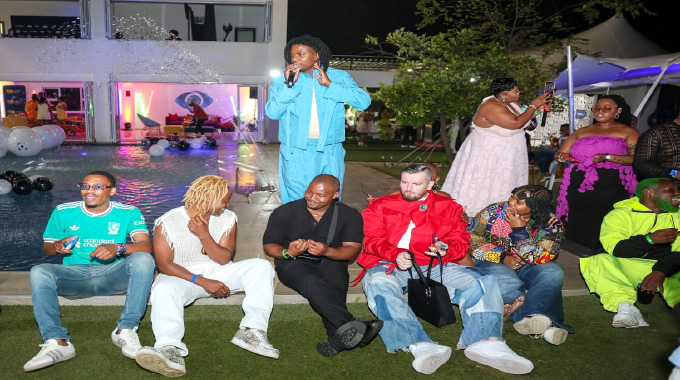
Mbulelo Mpofu in Johannesburg, South Africa
FOR decades, the shout of “Housemates!” echoing through the iconic Big Brother Mzansi (BBMzansi) compound has been more than a call to action; it’s been the starting gun for high-stakes drama, unexpected romance, intense strategic play, and the kind of unfiltered human spectacle that captures a continent’s attention.
As the South African powerhouse prepares for a pivotal dual event — the première of the first-ever four-part reunion series, “Big Brother Mzansi: The Special!” tomorrow, and the explosive launch of Season 6, “Bazozwa,” slated for January 11 — the moment is ripe for reflection.
This double bill not only celebrates the show’s fiery legacy but also offers crucial lessons in consistency and engagement for neighbouring nations and reality TV producers across Africa, including those in Zimbabwe.
The genius of BBMzansi, the South African adaptation of the global Big Brother franchise, lies in its simplicity: it remains the ultimate social experiment. Confined within a purpose-built house under the omnipresent gaze of cameras, a group of diverse strangers must live together, completely isolated from the outside world.
Their every movement — from the whispering of an alliance to a thunderous confrontation, from the forging of a tender bond to the sting of a bitter betrayal — is meticulously broadcast, dissected in real-time, and ultimately judged by the vast viewing nation.
This potent, intoxicating cocktail has proven its worth time and again, consistently delivering iconic, must-watch television.
“The Special!” reunion promises to be a nostalgic, yet potentially explosive, deep dive into the show’s history, revisiting the viral moments that cemented BBMzansi’s status in popular culture. The “Diary Room,” across all seasons, has served as a raw confessional, laying bare the human condition.
We remember moments like Smash breaking down, revealing deep personal struggles and fears, and the tearful relief of housemates connecting with family via video messages, showcasing a vulnerability that resonated deeply with viewers.
Beyond the heavy emotional moments, the rhythm of the house kept the nation entertained: Saturday Night Parties became legendary, transforming the lounge into pulsating dance floors; Friday Night Games tested physical and mental fortitude, often with hilarious or dramatic consequences, such as the chaotic “Hot or Cold” challenge; and the gut-wrenching tension of the Sunday Eviction Shows, especially dramatic finales like the eviction of fan favourites Nate and Nsuku in Umlilo, kept viewers glued to their screens, phones in hand, furiously casting their votes.
The success of BBMzansi isn’t just a story of linear television ratings; it is a tale of digital dominance. Season 5 alone generated a staggering 1,1-billion impressions and 302-million mentions on X, solidifying the show’s position as a social media behemoth.
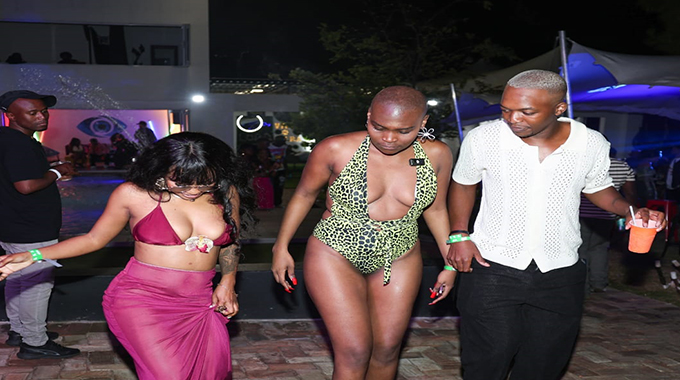
This online frenzy is neither accidental nor organic alone; it is strategically fuelled by the show’s live, inherently unpredictable nature and constant engagement, effectively transforming viewers from passive consumers into active participants through voting and real-time, often fiery, commentary.
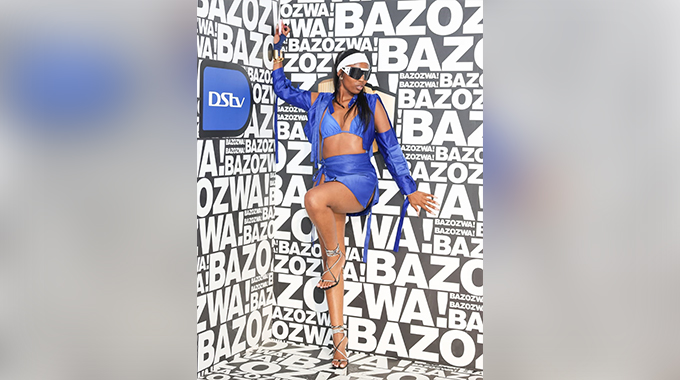
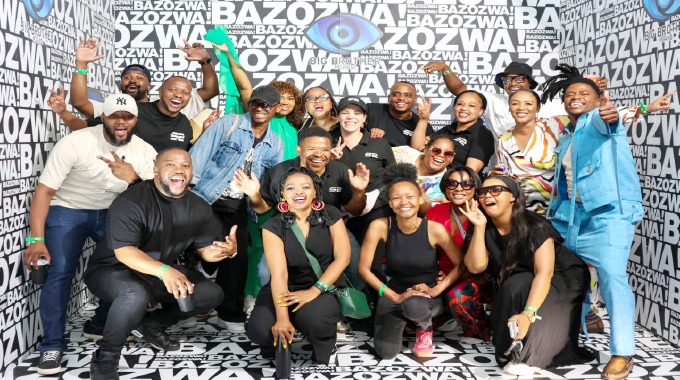
As “The Special!” revisits past glories and lingering conflicts, Mzansi Magic is aggressively stoking the flames of anticipation for Season 6 with the electrifying theme: Bazozwa (meaning ‘They Will Hear/Feel It’). Revealed at a launch event styled like a mini Biggie house, Channel Director Shirley Adonisi delivered a powerful statement of intent.
“Bazozwa is about reclaiming space and making noise, a call to action for a generation that refuses to be ignored and silenced. This time, we are bringing Mzansi a season that will shake the house and the streets like never before.”
The palpable excitement is evidenced by a record-breaking number of entries — the highest in BBMzansi history. Host Smash Afrika returns to steer the dramatic ship, and the season promises innovative twists, including two new weekly shows — one a deep-dive interview with the evicted housemate, the other a comprehensive roundup of the week’s drama — ensuring fans truly never miss a beat.
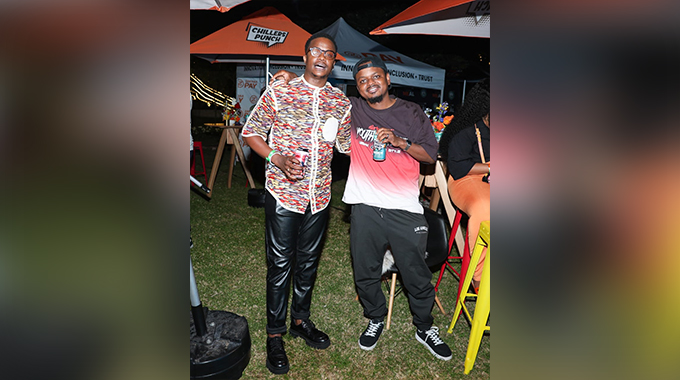
Adonisi further teased the heightened anticipation, saying: “Big Brother Mzansi Bazozwa will be felt in what you see, what you hear and how you experience the show . . . silence can speak volumes.”
However, “The Special!” offers more than mere nostalgia. It serves as a necessary bridge for the housemates themselves. Adonisi explained the motivation behind the reunion.
“People always wondered what happens to the housemates after they leave the house. We wanted to give the viewers the closure and the nostalgic feeling of their favourites in one room back again. It’s about closure, entertainment, accountability and a bit of redemption, but also, it’s about celebrating the impact the show continues to have.”
This important sentiment was echoed by Big Brother Titans winner Khosi Twala during the launch panel, who offered a candid perspective on the aftermath of reality fame.
“When you leave the house, three things hit you at once: you’re confused; there’s pressure from both family and your new-found fan base; and you may not have financial literacy. I had to find a company to help me invest my money.
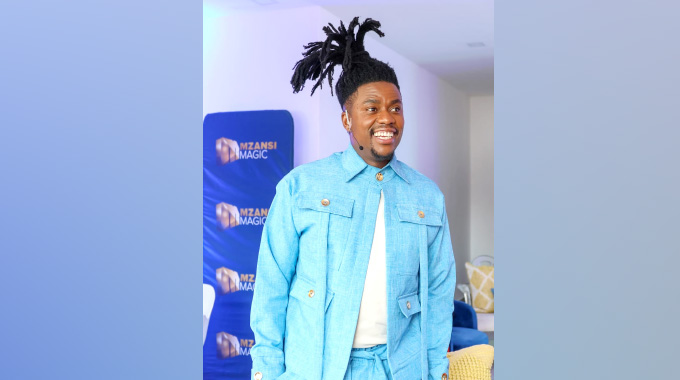
The platform pushes you to grow, and the friendships you build stay with you.”
Her honesty highlights the complex, often-unseen challenges that accompany sudden, explosive fame. For Zimbabwean reality television producers keen on creating formats that are not only sustainable but deeply engaging, Big Brother Mzansi offers a compelling blueprint built on five foundational pillars.
First, live and interactive is king. BBMzansi thrives on its live elements — nominations, evictions, and tasks — which create genuine unpredictability and urgency. Crucially, these features empower viewers. Zimbabwean producers must move beyond pre-recorded, heavily edited formats and embrace mechanisms that allow audiences to directly influence outcomes through voting and real-time interaction. Passive viewers become invested participants, and that sense of involvement is what keeps them coming back.
Second, corporate sponsorship is non-negotiable. The show’s scale and consistency are underpinned by robust financial backing. Season 6, for example, is supported by headline sponsor Lottostar, associate sponsors Chillers Punch and King Pie, and tactical sponsors such as Robertsons Spices, Zakhaa Pay, and Schweppes. This funding is vital for high production values, enticing prize money, and sustained marketing. Zimbabwean producers often rely on self-funding or limited budgets, but attracting major corporate partners through demonstrable audience reach and engagement is essential for longevity and quality. Without this backing, competing at a high level remains impossible.
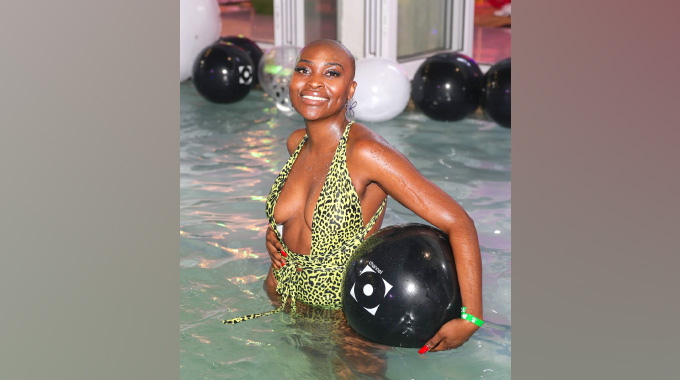
Third, embrace social media as a core strategy. BBMzansi doesn’t just have a social media presence — it thrives within the digital sphere. Producers actively fuel online conversations, create instantly shareable moments, and integrate fan feedback. Zimbabwean shows need dedicated social media strategies that transform broadcasts into ongoing, community-driven events, maximising reach and relevance, especially among younger audiences.
Fourth, consistency and evolution matter. BBMzansi has expertly maintained its core format while introducing strategic innovations — new twists like Season 5’s mystery entrants or Bazozwa’s weekly shows, fresh themes, and enhanced production elements. Zimbabwean producers must commit to consistent scheduling and quality while remaining open to innovation and refreshing formats to sustain audience interest season after season.
Finally, authentic casting and diversity are key. The magic lies in finding housemates with genuinely big personalities, diverse backgrounds, and authentic stories — people like Sweet Guluva, whose real-life experiences fuel drama and intrigue. Casting should prioritise compelling individuals over manufactured personas because the most engaging content comes from real people reacting under pressure. —Follow on X @MbuleloMpofu


 Blessing Chizhande