Online Reporter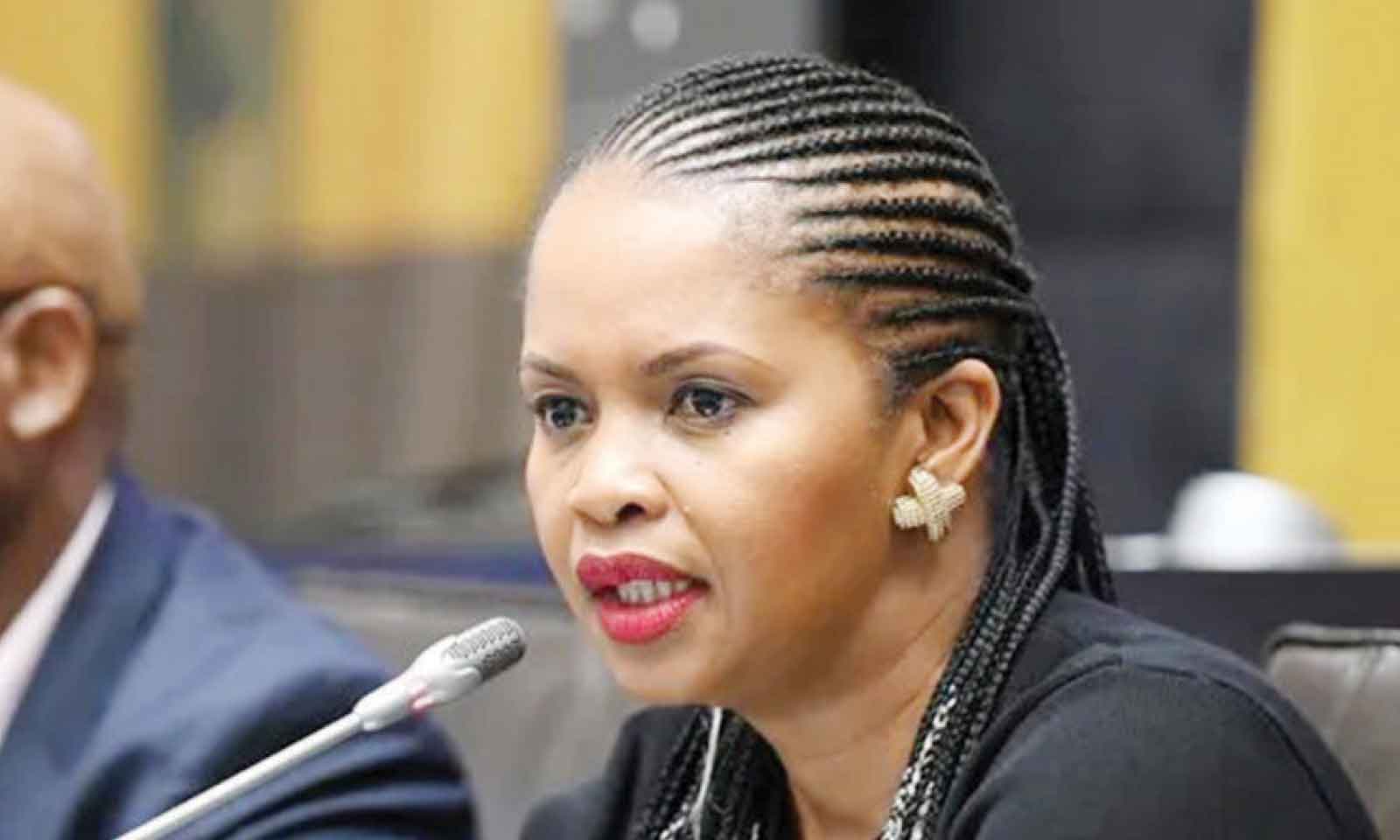
PODCASTS are mushrooming everywhere and authorities in Zimbabwe and South Africa appear to share the same concerns about these shows.
Amid the surge in people launching podcasts, there have been calls for tighter industry controls, particularly regarding discriminatory and defamatory statements made on platforms.
There has been concern in Zimbabwe, too, about the recklessness on may podcasts where people’s reputations are being savaged.
In July last year, the Broadcasting Authority of Zimbabwe (BAZ) issued a powerful reminder that even in the digital age, the media must still operate within ethical and legal boundaries.
The authority raised concern over what it called the growing prevalence of internet-based broadcasting of content that is inconsistent with Zimbabwe’s broadcasting regulations and standards.
It warned that the freedom of expression enshrined in the Constitution must be exercised responsibly.
“Broadcasting via the internet does not equate to exemption from responsible broadcasting,” reads the statement.
“All broadcasters must meet the same ethical and legal standards. Platforms must not become vehicles for lawlessness, misinformation or the erosion of core national values.”
On Tuesday South Africa’s parliament’s portfolio committee on communications and digital technologies’ roundtable on podcasting spurred a wide-ranging discussion, which is intended to be a starting point on how to regulate the sector.
The roundtable was held under the theme: “A Multi-Stakeholder Dialogue on Podcasting: Legislators, Policymakers, Regulators, Podcasters, and Industry Stakeholders Charting Balanced Regulation for Sustainable Growth, and Strong Accountability”.
The committee chairperson, Khusela Sangoni-Diko, said that the engagement is intended to provide a constructive platform for dialogue between Parliament, regulators, creators, platforms and civil society.
“I was going through the statistics the other day, in the ICASA State of ICT report, it said in the last year we had more than R156 billion, which went to data costs – linked to social media, and access to the platforms we are discussing today.”
Sangoni-Diko said that it is a sector they should actively support.
She had explained that podcasting represents one of the most exciting developments in South Africa’s digital content ecosystem.
“It has opened space for diverse voices, languages and perspectives, while creating new opportunities for innovation and economic participation,” Sangoni-Diko said.
Voices represented included Meta, TikTok, Google, ICASA, the Department of Communications and Digital Technologies, the Press Council, the Film and Publication Board, as well as producers of several local podcasts.
The roundtable sought to produce a report outlining consensus points, areas for further work and include recommendations of the next steps for policymakers, regulators and industry stakeholders.
Social media platform present already shared they already have content platform rules, but not enough consumer awareness surrounding how to access the rules and raise complaints.



 Bongani Ndlovu