
Theseus Shambare
Herald Reporter
ZIMBABWE has successfully completed national trials for its first zinc-rich wheat variety, a development set to deliver nutritious and affordable bread to households across the country.
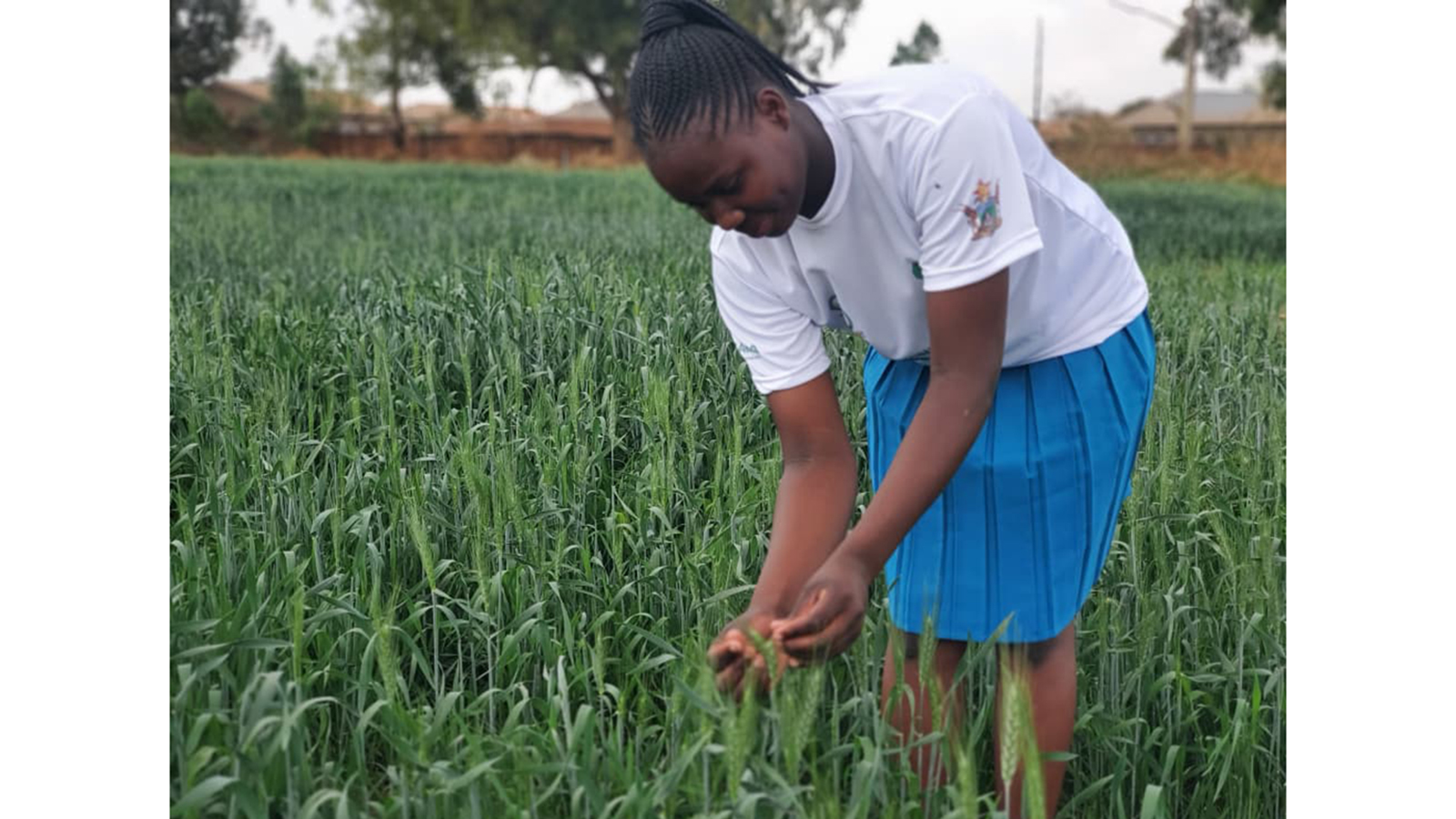
The initiative, led by the Crop Breeding Institute (CBI), involved farmers, schools, and agricultural institutions in a participatory varietal selection (PVS) programme across all wheat-growing provinces.
This model is expected to fast-track adoption of the biofortified variety.
The variety, known as Honde, contains 78 parts per million (ppm) of zinc — about 9 ppm higher than current commercial varieties.
Zinc is an essential mineral that supports the immune system, healthy growth, and proper development. Health experts say about 40 percent of Zimbabweans — especially pregnant women and children — do not get enough of it from their daily diets. By incorporating zinc-rich wheat into bread and other staple foods, the country could significantly reduce hidden hunger and improve public health.
This milestone comes as Zimbabwe continues to build on three consecutive seasons of wheat self-sufficiency, with this year’s 640 195-tonne harvest reinforcing the country’s upward trajectory in staple grain production and ensuring stable bread and wheat-based product prices nationwide.
In an interview, CBI wheat breeder Mr Jairos Masawi said the Honde variety had undergone extensive testing and performed exceptionally well across local conditions.
“The variety is white-seeded with bold grains, weighing 46 grams per 1 000 seeds, and has excellent baking qualities. It also shows a good level of resistance to yellow and leaf rusts and adequate resistance to Ug99 stem rust,” he said.
“Importantly, it contains about 78 ppm of zinc, roughly 9 ppm higher than other commercial varieties, making it an ideal solution to improve dietary zinc intake across the country.” Mr Masawi said zinc is a crucial micronutrient for human health, influencing immunity, growth, and development. “Millions of people in Zimbabwe, particularly pregnant women and children, suffer from zinc deficiency due to diets dominated by staple cereals such as maize and wheat, which are naturally low in this mineral.”
“By introducing biofortified wheat lines, we can help address hidden hunger sustainably.”
He said the candidate variety is early maturing (121–127 days), yields an average of 5 tonnes per hectare, and is suitable for all agro-ecologies of Zimbabwe. Students and farmers were actively involved in the trials. Upper Six crop science student Lisandra Mbofana at SOS Hermann Gmeiner High School said the hands-on experience gave learners an opportunity to understand wheat breeding in practice.
“It was exciting to see how new wheat varieties are developed and tested. We learned how traits like grain size, maturity, and disease resistance are important not just for yield but for nutrition and food security,” she said.
At the Muunganirwa–Chakona Irrigation Scheme near Bindura, members Mrs Nyembesi Chakona and Mrs Missie Hwide reported that the Honde variety was early maturing, robust, and less prone to bird damage than older varieties. “The grains are bold, and the crop performs well under our conditions. We are hopeful that this variety will help us produce enough wheat for our families and for the market,” Mrs Chakona said.
Mr Masawi said the participatory approach ensures that the variety meets farmers’ needs and performs across different environments. “Including farmers and students in the evaluation process helps us select varieties that are not only high-yielding but also nutritionally enriched and suitable for local consumption,” he said.
The Grain Millers Association of Zimbabwe (GMAZ) said the 2025 wheat harvest is sufficient to cover local requirements, guaranteeing steady availability of bread, flour, and other wheat products. GMAZ national chairman Mr Tafadzwa Musarara said this development would ensure constant nationwide supplies.
“Millers have already received large volumes of grain, signalling strong supply across the value chain. And if seed is fit for all regions in Zimbabwe, it means we will be accessing it at competitive prices, thereby influencing our pricing,” he said.
The abundant wheat harvest is already showing positive effects along the value chain, ensuring stable supplies for millers and consumers. The new zinc-rich and high-yielding variety, Honde, is set to further strengthen the sector, promising both improved nutrition and enhanced productivity once widely adopted.
Mr Sheunopa Ruwanza, Champion Foods marketing manager, said the harvest had exceeded expectations, providing a steady supply to support competitive pricing for flour and bread. “Huge volumes of wheat are being delivered to our depots. With varieties like Honde coming on board soon, we expect this abundance to translate into better-quality end products and fairer prices for consumers,” he said.
Echoing this optimism, Mr Shiraan Ahmed, Mega Market Managing Director, said regulatory clarity and the strong local harvest had helped stabilise market expectations. “The Agricultural Marketing Authority has confirmed that the US$10 per tonne levy under Statutory Instrument 87 of 2025 applies only to maize imports, not wheat. Combined with the upcoming introduction of Honde, there is no reason for bread prices to rise,” he said.
With Zimbabweans consuming roughly 1.7 million loaves of bread daily — equivalent to 960 tonnes of wheat — and an additional 550 tonnes going into pasta, biscuits, and other wheat-based foods, the planned rollout of nutrient-rich varieties like Honde promises not only adequate supply but also improved dietary zinc intake, particularly for pregnant women and children.
The 2025 wheat harvest, covering 122,566 hectares with an average yield of 5.2 tonnes per hectare, has been underpinned by resilient farmers, expanded irrigation, and improved agronomic practices. The introduction of Honde is expected to build on this success by providing a biofortified, climate-resilient option suitable for all agro-ecologies.
Mr Ivan Craig, Chief Agronomist and ARDA Board Chairman, said Zimbabwean wheat now matched or even surpassed imported varieties in quality. “Our new lines, including Honde, are high-yielding and nutritionally enriched, proving that premium bread wheat can be produced locally,” he said.
Lands, Agriculture, Fisheries, Water, and Rural Development Permanent Secretary Professor Obert Jiri said the bumper harvest confirms Zimbabwe’s agricultural transformation. “With 640,195 tonnes harvested this year and the upcoming adoption of Honde, we can offer wheat-based products, including bread, at more affordable prices while even supplying regional markets in Southern Africa,” he said.