admin
admin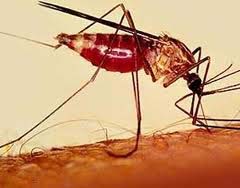
Malaria is the third highest killer in Zimbabwe across all age groups after HIV and Aids and tuberculosis.
The disease spreads rapidly during summer when the environment is conducive for mosquito breeding as the malaria parasite is spread by mosquitoes.
In a telephone interview yesterday, national malaria programme manager in the Ministry of Health and Child Welfare, Dr Joseph Mberikunashe, advised communities to adopt malaria mitigation strategies to avoid contracting the disease.
“We expect an upsurge in malaria cases once it starts raining so people should take preventive measures,” said Dr Mberikunashe.
He said people should take measures to avoid mosquito bites such as using mosquito nets and mosquito repellents.
“We also urged them to co-operate with health officials who are moving around conducting anti-malaria spraying of houses. Those who realise symptoms of malaria should immediately visit the nearest clinic or hospital for testing and treatment.”
The anopheles mosquito is the vector for malaria.
The malaria symptoms include joint weakness and pains, abdominal pains, headache, cough and cold, high fever and respiratory distress resulting in difficulty in breathing.
Dr Mberikunashe said the Government had intensified its malaria control measures that include residual spraying, distribution of mosquito nets and cutting long grass targeting the 45 malaria prone districts countrywide.
He said the ministry had completed the spraying programme in the 25 malaria zones and expressed optimism that the remaining 20 would be done before the end of the year.
In Matabeleland region, districts such as Bulilima, Matobo, Gwanda, Binga and Tsholotsho are regarded as malaria transmission zones.
Last week the Minister of Health and Child Welfare, Dr Henry Madzorera, reported that malaria cases were on the decrease and commended the Government’s efforts in fighting the disease.
The country has managed to reduce malaria prevalence rate from 13,6 percent in 2000 to 4,9 percent last year.
Dr Madzorera said the country had surpassed the 6,8 percent target set by the continent in Abuja in 2010.
The African countries target to fully eliminate malaria between 2015 and 2020.
According to malaria guidelines in Zimbabwe, Coarthemether is the first line drug for the treatment of the disease replacing Chloroquine.
Malaria treatment is free in Zimbabwe.



 Online Reporter