Online Reporter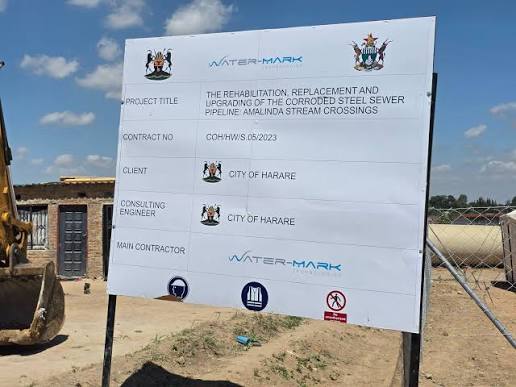
Nyore Madzianike
Senior Reporter
ONLY 20 out of 63 sewage treatment plants dotted around the country are currently functional, signalling a national systemic collapse of wastewater management infrastructure.
This emerged in a report prepared by the Parliamentary Portfolio Committee on Environment, Climate and Wildlife on water pollution hotspots in Harare and Chitungwiza which was presented in Parliament on Thursday.
The inquiry was initiated following an invitation from the Environmental Management Agency (EMA) to witness first-hand the systemic degradation of municipal wastewater infrastructure and its severe ecological impacts on primary water bodies.
“The submissions and evidence presented by the Environmental Management Agency (EMA), the City of Harare and Chitungwiza Municipality unveiled a systemic collapse of wastewater management infrastructure across the metropolitan area.
“This structural decline has compromised the region’s primary water bodies, creating a severe environmental and public health crisis.
“An investigation into the technical health of the region’s sanitation network revealed that the infrastructure designed to convey and treat sewage has reached a critical breaking point.
“On a national level, the Environmental Management Agency submitted that only 20 out of 63 Sewage Treatment Plants are currently functional, a deficiency that results in the daily discharge of approximately 570 megalitres of raw or partially treated sewage into the environment,” read the report.
The committee said the crisis was heavily concentrated within the Harare Metropolitan area.
It said the City of Harare oversees an expansive and intricate wastewater management system comprising a sewer network extending over 5 500 kilometres.
The system is supported by seven strategic sewage pump stations in Budiriro, Avonlea, Chisipite, Fidelity, North Eastern, Marlborough and Bradfield, as well as seven primary treatment works, including the flagship facilities at Firle and Crowborough.
“Despite having a combined design capacity of 219.5 megalitres per day, rapid population growth and aging infrastructure have rendered these facilities largely ineffective.”
The committee said physical site inspections revealed severe infrastructure failure points driving the environmental degradation.
Chief among the places visited was Amalinda Crossing, where critical trunk main pipelines have remained collapsed for over 15 years.
“This structural failure causes approximately 80 megalitres of raw sewage to be dumped every single day directly into the Mukuvisi River, which subsequently flows into Lake Chivero, the city’s primary water source,” read the report.
“Additionally, the committee’s inquiry found that rivers flowing through urban centres have an average turbidity of nearly 30 Nephelometric Turbidity Units (NTU), which is six times higher than the healthy limit of five NTU.
“High turbidity levels indicate a dangerous concentration of suspended solids like silt and dirt, which block sunlight from reaching aquatic plants and cause physical damage to fish gills.”