dyton mupawaenda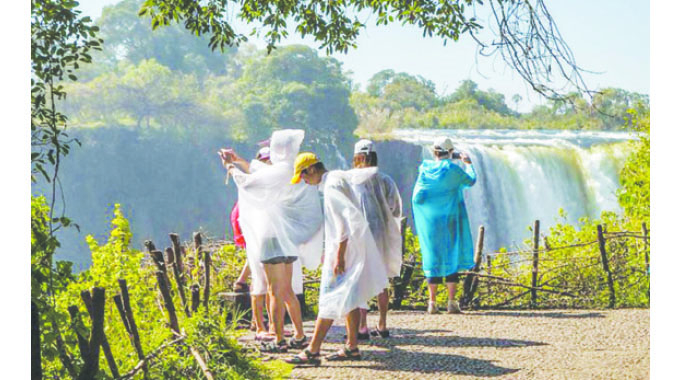
Lex Hove-Correspondent
As Zimbabweans celebrate the peace, integrity and professionalism associated with the August 2023 general elections, the country seeks another victory in the fight against illegal sanctions.
Zimbabwe is growing the economy, striving to enhance domestic prosperity, and securing the well-being of citizens.
However, there is a growing challenge to the economic growth being implemented by the Second Republic.
The elephant in the room are the illegal sanctions imposed on Zimbabwe by the Western countries.
However, rather than allowing such sanctions to determine the nation’s progress, the emphasis should be placed on fostering a resilient National Developmental Agenda (NDA).
The following discourse underscores how a well-executed NDA can become the bedrock to withstand the adverse impacts of illegal sanctions as we fight for the total removal of the measures.
Firstly, we must start by strengthening internal capacities.
At the core of any developmental agenda is the nation’s ability to tap into its indigenous resources and strengths.
Illegal sanctions often target financial, trade, or specific sectors, leading to reduced foreign direct investments and external trade.
In response, Zimbabwe must seek ways to bolster domestic industries and reduce dependency on imports.
By developing and optimising local industries, Zimbabwe can create a robust economy less vulnerable to external pressures, caused by illegal sanctions.
Fostering self-sustainability is another part of the NDA. An inherent outcome of illegal sanctions is that they force nations to introspect and recognise the importance of self-reliance. With a robust NDA, Zimbabwe can prioritise sectors like agriculture, manufacturing, and technology to generate products and services that not only meet domestic needs, but also have the potential for exports.
When a nation feeds its people, provides essential goods, and offers innovative services from its pool, it effectively minimises the leverage that sanction-imposing entities hold. We need to continue utilising our natural resources such as minerals for self sustenance.
Prioritising education and skill development is a vital solution to deal with illegal sanctions.
Human capital remains the most valuable asset for any nation.
A forward-thinking NDA emphasises education and skill development. By equipping the populace with the necessary skills, tools, and knowledge, a country prepares itself to tackle the challenges posed by sanctions.
An educated and skilled workforce can innovate, adapt, and navigate around obstacles, making the nation less susceptible to external shocks.
Sanctions rose after Zimbabwe land reform which empowered the majority of landless Zimbabweans.
This led to the rise of political tensions or disagreements. Therefore, while it is essential to uphold a nation’s sovereignty and principles, it is equally crucial to engage in a diversified diplomacy.
Building trade relationships with a broad spectrum of countries ensures that if one trade route is hampered due to sanctions, alternatives exist.
A holistic NDA would place importance on nurturing relations with emerging markets, traditional allies, and even neutral states to ensure a fluid economic exchange.
To this extent Zimbabwe has signed MOUs in trade, education, ICT and health with many African and global nations.
Investing in research and development is another pillar.
One way to weather the storm of illegal sanctions is by becoming a leader in innovation.
By investing heavily in research and development, nations can develop cutting-edge technologies, methodologies, and products that are not only desired domestically but are also in demand globally.
Such advancements can potentially offset any economic downturn caused by sanctions.
Banking on the informal sector is important.
In many nations, especially those facing illegal sanctions, the informal sector becomes a lifeline.
Recognising and integrating this sector into the NDA ensures that grassroots level economy thrives.
By providing support, training, and resources to small-scale enterprises and informal businesses, countries can ensure economic activity continues, even when the formal sectors are affected.
Promoting cultural and tourism diplomacy is another pillar. Culture and tourism are often overlooked, yet they hold immense potential, especially when trade and political avenues are strained.
A thriving tourism industry attracts foreign exchange, promote soft diplomacy, and showcase the nation’s heritage, resilience, and values to the world.
Incorporating these into the NDA can be a strategic move to counterbalance the effects of sanctions.
The President rolled out the National Tourism Recovery Plan in 2020 to market the tourism hubs of Zimbabwe for Tourism growth.
A unified front against external pressures is a major pillar.
It is noteworthy to observe how the fabric of Zimbabwe’s society across different ethnicities, political affiliations, and socio-economic classes comes together to reject sanctions that are considered unjust.
This unity is a testament to the nation’s understanding that while differences may exist internally, when it comes to external pressures, a unified stance is the best defence.
Sanctions, especially when unwarranted, have the potential to cripple an economy.
In the face of dwindling foreign investments, restricted trade opportunities, and a hampered growth trajectory, Zimbabwe’s resilience is all the more admirable.
While the challenges brought on by these sanctions are undeniable, what is awe-inspiring is how the country has continually sought to innovate and adapt to ensure the welfare of its citizens.
Illegal challenges have undoubtedly posed challenges.
The NDA should be a proactive strategy that anticipates challenges, prepares for contingencies, and charts a robust path forward.
By harnessing internal strengths, prioritising self-reliance, diversifying relationships, and banking on innovation and cultural diplomacy, nations can not only withstand but thrive in the face of sanctions.
The key lies in viewing the NDA as a dynamic blueprint for growth, irrespective of external pressures.
As Zimbabwe stands united against the tide of illegal sanctions, it offers a blueprint for other nations that may find themselves in similar cross-hairs.
Its strategy is clear; internal unity, a focus on self-reliance, preservation of national pride, diversified diplomacy, and the active involvement of its youth.
Zimbabwe’s unwavering solidarity against illegal sanctions is not just a national stance; it is a symbol of hope, resilience, and defiance against any form of external pressure that seeks to undermine its sovereignty.
While the journey may be fraught with challenges, Zimbabwe will win the sanctions war.
At the end sanctions should just go.



 Online Reporter