

 Online Reporter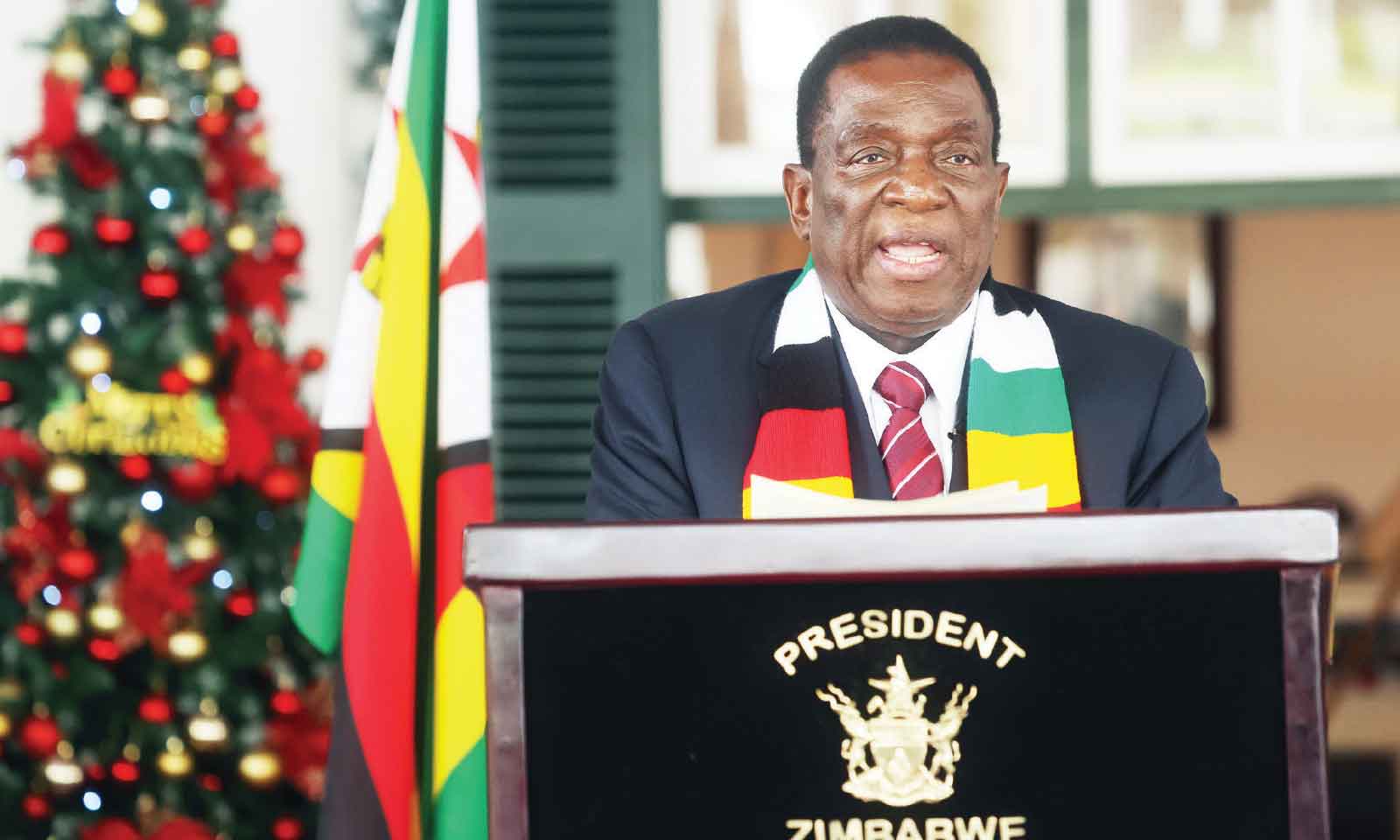
Wallace Ruzvidzo
Herald Reporter
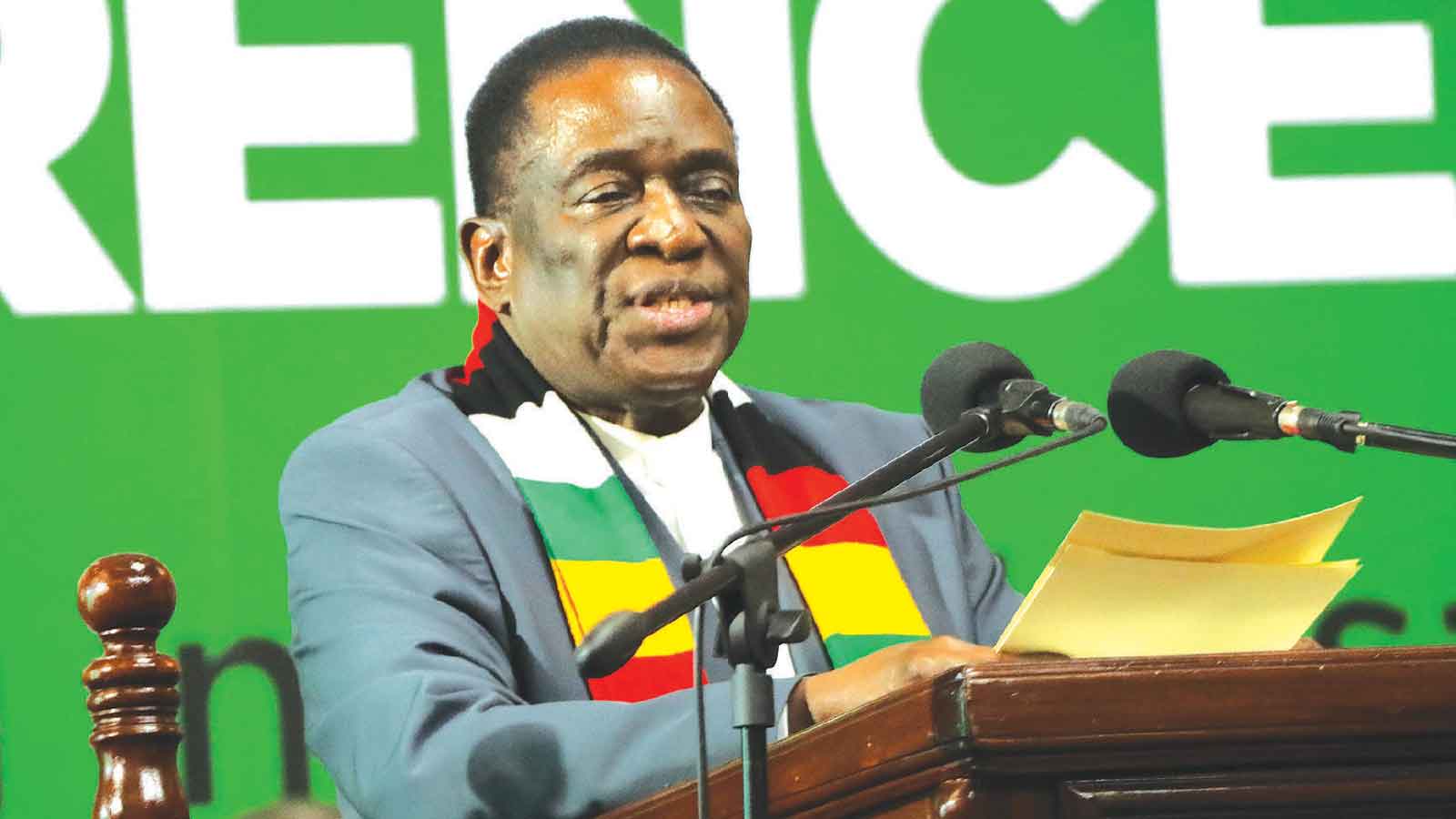
UNDER the second Republic, there is no room for antagonistic and divisive differences which breed hatred and disharmony, President Mnangagwa has said.
In his address to commemorate the 38th Unity Day Anniversary, which is marked today, the President said no attempt to divide Zimbabwe would ever succeed as the country’s national unity was sacred.
“This is the individual and collective pledge we must all make on this important day, across every community within our borders.
“Our national unity is sacred. This day must see us all, re-commit ourselves to guarding, preserving and promoting this critical pillar of our nationhood.
“At no time should we allow our personalities to be instruments of division.
“Let us always, patriotically defend our country as well as national image, identity and the character of being united, peaceful and hardworking people,” he said.
The historic Unity Accord was signed by the country’s visionary liberation luminaries and founding fathers, the late National Heroes former President Robert Gabriel Mugabe and Vice President Cde Joshua Mqabuko Nkomo on December 22, 1987.
President Mnangagwa said the Accord ushered in national unity which remains a critical building block towards the durable peace, progress and development of Zimbabwe.
“This day remains forever etched in the rich history and heritage of our beloved motherland, Zimbabwe. Inspired by the spirit of that Accord, we are all working together as one indivisible nation, towards a prosperous, upper middle income society for the benefit of both current and future generations,” said the President.
He said through unity and love, Zimbabwe continued to overcome various obstacles including the albatross of Western imposed unilateral coercive measures.
“Therefore, no amount of pressure, falsehoods and vilification of our country, will derail the evident people-centred development trajectory,” said the President.
Zimbabwe, said President Mnangagwa, was a unitary State with many cultures, languages and tribes, which made the country a uniquely diverse society, united under one flag and one national anthem.
“This sense of pride should extend across every province and district, from Zambezi to Limpopo, Plumtree to Mutare.
“Takabatana, Tirivamwe; Sibambene, Simunye,” he said.
President Mnangagwa said Zimbabwe had scored numerous successes as one united nation since the signing of the Unity Accord.
The National Development Strategy 1 (NDS1), which concludes this year, has delivered, culminating in the recent launch of the NDS2 which will focus on industrialisation, value addition and inclusive growth.
“We are committed to accelerate the transformation of our economy, creating jobs and improving the quality of life of our people.
“The agriculture sector is flourishing, with record-breaking production in maize, wheat, cotton and tobacco, among other crops.
“This upward trend of production and productivity must be sustained during this current season as we consolidate national food security and sovereignty,” said President Mnangagwa.
He further noted that similar success is also being experienced in the mining sector, where output of minerals has been on the rise.
As such, he said efforts were underway to upscale local processing of the minerals to realise the best value for the country’s God-given resources.
The President added that Zimbabwe’s manufacturing sector was expanding, tourist arrivals were increasing and infrastructure development projects were positively impacting lives and livelihoods.
“Such notable advancements in these and other sectors of our economy have all been possible as a result of the prevailing unity, peace and stability which our country is enjoying.
“As we commemorate this Unity Day, let us remain alive to the responsibility upon each of us, those here at home and those in the Diaspora.
“Nyika inovakwa, inotongwa, inonamatirwa nevene vayo/ Ilizwe lakhiwa, libuswe, likhu-le-ke-lwe ngabanikazi balo.
“We should carry on, therefore, modernising and industrialising our country, building on the solid foundation of our rich liberation war heritage and the Unity Accord,” said President Mnangagwa.
Government, he said, remained committed to the mechanisms that have been put in place to ensure that the country consolidates the gains of independence, unity and peace, bequeathed by the country’s forbearers.
“The ongoing Government-led Gukurahundi National Outreach Programme through the guidance of our traditional leaders, is receiving Government’s support, towards promoting National Healing, Unity and Reconciliation.
“No culture, language or tribe is superior over any other. Differences in perspectives, ideas and approaches may arise, these must, however, be amicably resolved through dialogue.
“This is the inheritance and ethos left for us by our Founding Fathers, through the historic Unity Accord we are celebrating today,” said President Mnangagwa.


No one can doubt the need to have unity in Zimbabwe. Future success is bred through developing together. But let us not forget that we must move forward as a continent. That is the only way we can guarantee survival and challenge the world order. Therefore our leaders, especially the old guard like our President and his generation must always include continental unity calls as well each time they address the subject. Africa cannot remain shackled in the chains of the Berlin Conference of 1884. There should be a louder call for uniting Africa than small unitary countries.