admin
admin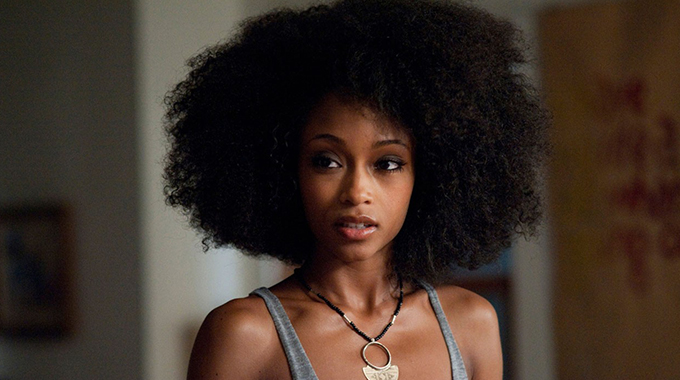
Andile Tshuma
HAIRDRESSERS in Bulawayo are crying foul about lost revenue as women resort to the natural haircut look.
The trend has seen black women forgoing chemically straightened hair and weaves and embracing their natural hair. More women are warming up to their natural look.
The global movement was founded in the United States during the 2000s and Bulawayo is now in on the trend of its very own natural hair movement which encourages and promotes women of African descent to wear their natural, afro-textured hair.
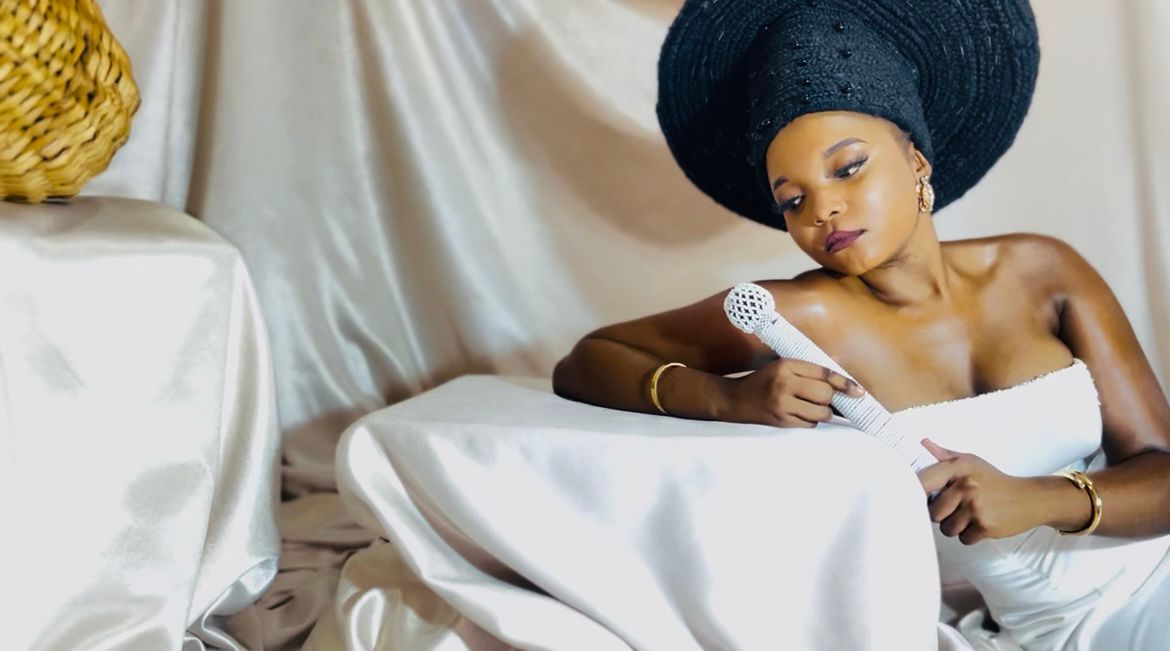
A number of local celebrities are leading and slaying with natural hair, further influencing more crowds of women to join the natural hair squads.
Mbo Mahocs, Patience Phiri, Lady Tshawe, Soneni Gwizi, and Thandeka Moyo are some of the names that come to mind when talking of a natural hair movement.
Many women have been reluctant to wear their hair natural in the past partly due to the perception that it is too difficult to maintain, breaks easily and is hard to manage and style fashionably at home. Moreover, many hair salons do not offer natural hair care or trendy natural hair styles, leading women to opt for weaves which are practical or chemical straighteners which are more manageable.
However, more women are noticeably taking the plunge and embracing the natural look, at the expense of hairdressers.
Thembi Mahlangu, a popular hairdresser in the city who stocks up on 100 percent Indian hair for weaves narrated to B-Metro how the natural hair movement was messing up her industry.
“I stocked up on a lot of Brazilian and Peruvian hair but sales are really low. I have since started making and selling wigs as they seem to have a better client base now. My stock is at least moving a bit now. Times are just hard. People are opting for natural hair because it is also cheaper to maintain,” said Thembi.
Lindy Nyathi, one of the women who recently joined the natural movement said she felt free and liberated with dreadlocks.
“My hair is my crown, I have spent so many years relaxing, blowing, and curling my hair. I woke up one day and told myself it was enough. I told myself I’m done and that was it. My hair is my crown. It’s the best decision I’ve ever made as far as my confidence is concerned. Any woman who applies hair relaxer in her daughter’s hair is no better than a woman who could bleach their child’s skin.
“As mothers, let us teach our little princesses that natural is beautiful. I have learnt to embrace my hair and my locks and I feel beautiful. I feel whole and complete,” said Lindy Nyathi.
Women who spoke to B-Metro said they would never quit the relaxer.
Trichologist and hair restoration surgery expert Thuli Nxumalo said it was good that more women were choosing to go natural as a lot of chemicals for bleaching and relaxing hair were not good and contained harmful chemicals that could cause cancer.
“A lot of chemicals in the hair industry are harsh on the scalp so most women seek our services after having suffered extreme hair loss due to a lot of styling, heat application, pulling and chemical usage. Some need surgery procedures to restore hair, while some just need a boost of hair follicles that would have grown weak,” said Nxumalo.
Leading dreadlock technician Jasper Ndebele, popularly known as JB, said it was good that more African women were gong natural.
“Almost on a daily basis, I deal with a new client who is embarking on a new dreadlock journey. It is refreshing to see our mothers and our sisters adopting the natural look,” said J.B.
“While those that prefer weaves can freely do so as it is their right, I do not understand why a black woman would want to buy original Indian hair and put it on her head. It boggles the mind but I think it is the colonial mindset that still lingers,” he said.
JB said he comes from a Rastafarian movement and hoped public schools would learn to appreciate the dreadlock as it was one of the most natural hairstyles.
“Schools reject a child with a natural hairstyle but will accept a child whose hair has been straightened with so many harsh chemicals. We are often judged by people because of these stereotypes on Rastas. We are humble and law abiding citizens. Natural is best. Grow your own hair, keep it real with the natural you,” he said.
He said competition was growing in the natural hair industry as more hairstylists were ditching the perm world and joining the natural hair bandwagon.
Naturalist and women and disability rights activist Soneni Gwizi in an interview said she wears natural hair because she feels it defines and makes a statement without her having to speak.
“What I love about my hair is that it represents my true DNA of who I am as a black disabled woman. I maintain it 100 percent natural. I don’t spend more than $10 a year on it because hair is hair I let it grow,” said Ms Gwizi.
A naturalist and one of the few female dreadlock stylists Samukeliso Ndlovu said it was painful that society still viewed dreadlocked people as rebels and nonconformists.
“As a woman I love dealing with women who have natural hair. Society expects so much out of us and wearing our hair natural is one of those bold statements that we are comfortable in our skins.
Street hair salons have sprouted and the areas near Tredgold building in the city and 6th avenue taxi rank has a number of hairstylists who practise their trade from the streets. Most of them specialise in styling dreadlocks.


 Online Reporter