

 Online Reporter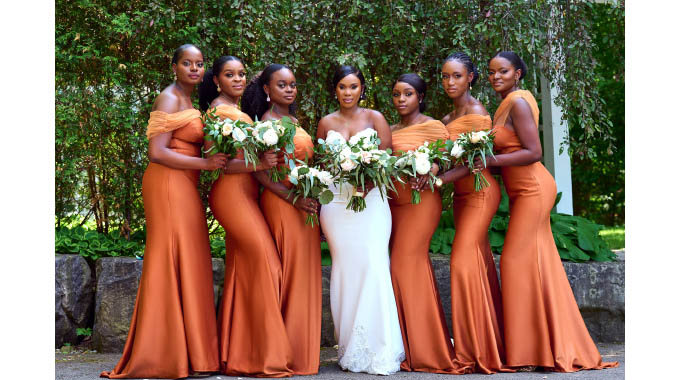
Tafadzwa Zimoyo
Lifestyle Editor
PLANNING a wedding is an exciting journey filled with love and celebration.
As couples prepare for their big day, they often find themselves surrounded by family and friends who will take on the important roles of bridesmaids and groomsmen.
While these loved ones are there to offer support and share in the joy of the occasion, a tricky conversation often looms on the horizon: Who is responsible for paying for their attire?
This question can stir up differing opinions and tensions, making it essential to address finances openly from the outset.
Traditionally, it has been expected that bridesmaids and groomsmen pay for their own outfits, which can include dresses, suits, shoes and accessories.
However, this expectation is evolving, and many couples now choose to cover these costs as a way to show appreciation for their bridal party.
“While there are no hard and fast rules, it is widely accepted that the couple will cover the costs of their wedding party,” says Petronella Tshatedi, a founder member of Elysian Event Production.
She highlights the importance of having an honest conversation about budgets and expectations early in the planning process.
“Mitigating expenses is crucial, and setting a friendly budget or theme can help everyone feel included without financial strain.”
The financial burden of being part of a wedding can be significant. Dresses, suits, hair and makeup, accommodation and time off work all add up.
“Being a part of someone’s wedding day might feel special, but it often comes at a cost,” Tshatedi notes.
The reality is that bridesmaids and groomsmen may end up paying for a variety of expenses, and their ability to contribute can vary widely.
In many cases, couples feel a sense of obligation to cover the costs associated with their wedding party.
“In African tradition, family members often played significant roles in the wedding party, but modern trends are shifting toward closer friends being part of the bridal party,” Tshatedi explains.
This change reflects a broader societal shift toward valuing friendships and creating more intimate wedding celebrations.
“Ultimately, it’s up to the couple and their wedding party to discuss and agree on who covers expenses.”
Rumbidzai Matinanga, director of Scarlet Media events, echoes this sentiment, stating that while the bill typically falls to bridesmaids and groomsmen, there are exceptions.
“Occasionally, if the couple can afford it, they might foot the bill, but if you are selected to be on the list then that is a sacrifice you have to make. The dynamics of wedding parties have evolved significantly; more often than not, friends are chosen over family members for these roles.”
She attributes this shift to changing family dynamics and an increased emphasis on friendship.
The conversation about who pays for what can often be uncomfortable.
“A common approach is for the wedding party to split costs or discuss expenses beforehand,” Matinanga suggests.
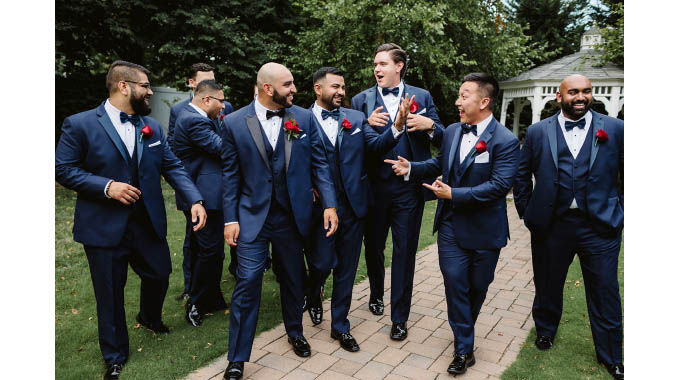
This collaborative approach can help alleviate misunderstandings and ensure that everyone feels comfortable with their financial commitments.
She highlights that factors such as relationship proximity can influence willingness to invest in outfits; family members or close friends may be more inclined to cover their own costs.
Enterprenuer, socialite cum motivational speaker Jackie Ngarande, adds another layer to this discussion.
“The dynamics surrounding wedding parties have changed. While family members once played a prominent role, friendships often take centre stage today.”
This shift can lead to different expectations regarding expenses.
“Some bridesmaids and groomsmen might appreciate the couple covering their outfit expenses, but it’s not always feasible,” she says.
Ngarande suggests that couples should involve their wedding party in the outfit selection process.
“Bridesmaids and groomsmen should have a say in the style and cost to ensure they feel comfortable,” she advises.
Open communication about expenses can prevent misunderstandings and foster a sense of unity among the wedding party.
“Couples should discuss outfit expectations and expenses with their wedding party early on,” she said.
Premium Prestige Hospitality co-founder, Tinashe Goredema, has observed the evolution of these financial discussions in the wedding industry over the past five years.
“In the past, the bridal party often paid for their own outfits, especially when weddings were smaller and family-focused. However, as weddings have become larger and more elaborate, expectations around style and coordination have increased, driving up costs,” he said.
Goredema points out that the price range for bridesmaid dresses can vary significantly, often costing between US$150 and US$300, or even more for custom-made options.
“With such magnitude, I recommend creative solutions like rental dresses or mix-and-match styles. This allows bridesmaids to wear pieces again rather than just once,” he suggests.
He recalls a recent wedding where the bridal party appreciated the versatility and affordability of their outfits.
“Everyone felt included without feeling financially stretched,” Goredema shares.
“It’s about balancing beautiful memories and style with financial reality, which is essential for a successful wedding experience.”
The influence of social media cannot be overlooked in this discussion.
Goredema said that the bridal party has become a fashion showcase, with everyone wanting to look their best for those Instagram-worthy moments.
“While some see this as superficial, I view it as part of the celebration — a joyful expression of friendship and style,” he said.
In Zimbabwe, it remains common for the couple or their families to cover the bride and groom’s attire, while the bridal party is expected to pay for their accessories, shoes, hair, and makeup.
Goredema’s research indicates that about 60 percent of couples expect the bridal party to cover all their costs, while 30 percent cover everything fully, and only 10 percent share some costs with their wedding party.
Artist and events manager Nokuthula Chari reflects on how attitudes toward bridal party expenses have changed over time.
“There was a time when the bridal team was treated to a lavish experience, courtesy of the couple, from head-to-toe attire to luxurious pampering,” she recalls.
However, she notes that modern weddings have become increasingly elaborate, with costs associated with multiple outfits, travel, and accommodation requirements.
“The bridal team is often expected to fend for themselves, shouldering significant financial burdens,” Chari explains.
She advises couples planning extravagant weddings to reconsider their budgets, suggesting that they allocate a substantial portion to cover their bridal team’s expenses, or at least 50 percent of them.
“It’s essential to acknowledge the financial realities of being part of a wedding party,” she said, highlighting that gratitude and appreciation can go a long way in fostering goodwill.
Navigating the financial aspects of wedding party attire can be complex, but open communication and mutual understanding can pave the way for a smoother planning experience.
As couples and their wedding parties come together to celebrate love, the focus should ultimately be on the joy of the occasion rather than the financial burdens it may entail.
Balancing style, expectations, and financial realities is key to creating memorable moments that everyone can cherish.


