Online Reporter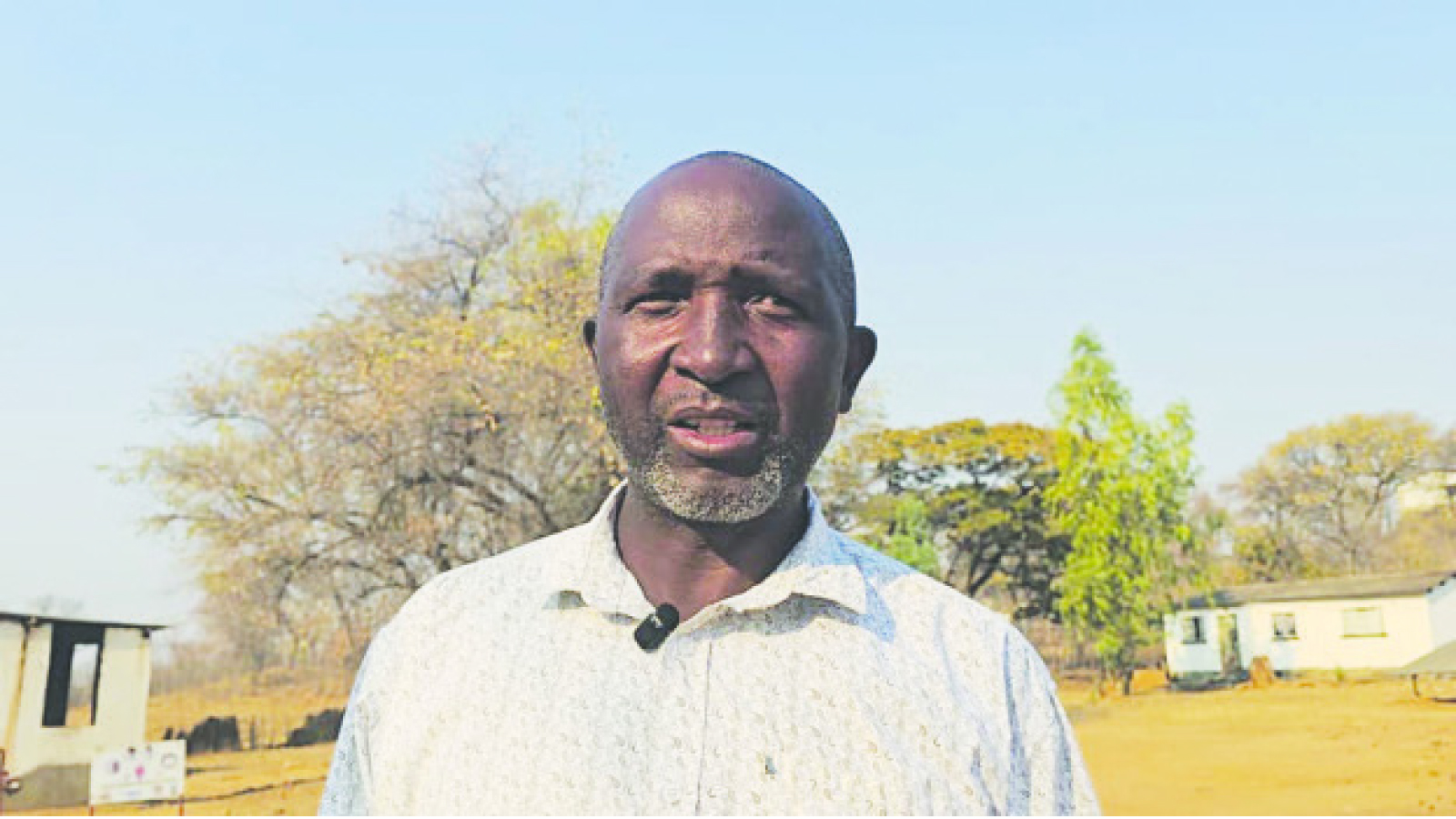
Conrad Mupesa
Zimpapers Reporter
IN life, there’s a poignant saying that “Every man has a price,” a reality that often extends beyond the simple realm of transactions to deeper human emotions.
Harold Robbins poignantly noted that for some, it may be money; for others, it could be love or the quest for recognition.
In popular media, this sentiment rings true, as exemplified by a character from “Pirates of the Caribbean”, who reflects on the compromises individuals make in challenging circumstances.
Yet, this notion is not exclusive to men; women, too, carry their own burdens, often navigating complex situations that arise from their needs and desires.
In the fishing camps of Kariba rural, the interplay of human connection and survival reveals a different side to relationships.
Here, amid the labour and uncertainty of earning a living, intimate connections arise, sometimes seen as a form of currency.
As fishermen toil under the sun, often separated from their families for extended periods, some find solace in unexpected partnerships with local women who also seek to survive in this challenging environment.
Kariba’s fishing camps, such as Nyaodza, GatsheGatshe, Musamba, Kings Camp, Sibilobilo, Ndomu and Fothergill, attract many from Kariba urban, Nyaminyami, Hurungwe and other districts beyond.
The vastness of Kariba Lake provides not only for their families, but also fosters a sense of community among those who work tirelessly, often hoping for better catches and brighter days ahead.
Unfortunately, the longing for connection during these long periods away from home can lead to risky behaviours.
Some women, driven by their own pressures, find themselves seeking a connection with the fishermen, sometimes resulting in cohabiting relationships that can have unforeseen consequences.
Mr Jacob Chikende, the coordinator of the National AIDS Council (NAC) in Kariba District, shared insights from a recent media tour.
He highlighted the profound effects of spousal separation that are all too common in this environment.
“Many come to the fishing camps, drawn by the need for employment and the hope of providing better for their families,” he said.
“During their time here, interactions can lead to intimate relationships, but these can also pose significant health risks.”
His research indicates that, tragically, some fishermen have turned to sexual exchanges with female traders as a form of payment for fish, a practice that has become a significant driver of high rates of HIV and Sexually Transmitted Infections (STIs) in the area.
In light of these challenges, the Government has introduced several compassionate programmes aimed at educating and supporting the community.
Through initiatives such as Sista2Sista mentorship, Behaviour Community Change, and Parent-to-Child programme, NAC is making strides in spreading awareness about HIV and the importance of compassionate care.
“We emphasise that no one should face discrimination; HIV is just a condition,” said Mr Chikende.
“With proper treatment, individuals can live long and fulfilling lives.”
Remarkably, these efforts have helped reduce new infections in the district, with over 85 percent of people who are living with HIV gaining access to treatment, despite the geographical challenges presented by the fishing camps.
For example, Nyaodza Fishing Camp, situated on an island, lies 70 kilometres from the nearest clinic.
Mr Ephraim Nyoni, a nurse at Makande Kanyati Clinic, noted the positive impact of these outreach efforts.
“Currently, more than 85 percent of people living with HIV here are receiving treatment. This is a significant step toward controlling the epidemic, and our community health workers play a vital role in ensuring that nobody feels abandoned,” he said.
Among these resilient individuals is Ms Evelyn Nyamucherera, a mother of three who has lived with HIV for nearly a decade.
Grateful for the free access to antiretroviral drugs, she reflects on her journey.
“At first, I was overwhelmed and scared, but with the encouragement from the nurses, I began my treatment. Now, I’m healthy and able to tend to my fields, providing for my children,” she said.
These stories from fishing camps are not just about challenges but also about hope, resilience and the power of community support.
Through shared understanding and compassion, many find the strength to navigate the complexities of their lives, turning difficult situations into opportunities for growth and healing.
The success is not for NAC to claim responsibility alone, but is a result of collaborative efforts by other players operating in the district.
Tony Waite Organisation (TWO), which was formed in 1993 to support orphans and vulnerable children in the Kariba area, is assisting with nutrition, education and income-generating projects on top of campaigning for consistent condom usage and testing.
Programmes officer at (TWO) Mr Wenga Maodzwa, said the organisation had introduced various income-generating projects in Kariba’s urban, peri-urban and rural communities, including fishing camps, supporting beneficiaries to improve their lives and reduce dependency.
NAC remains optimistic and focused on achieving Zimbabwe’s goal of ending AIDS as a public health threat by 2030, with a renewed emphasis on maintaining uninterrupted HIV programmes and meeting global treatment targets.