

 Chronicle Editor
Nqobile Tshili, [email protected]
THE air is thick with pride, self-belief, and a determination to preserve their heritage as the Ndebele people celebrate King Mzilikazi Day, also known as ‘Umgubho weNkosi uMzilikazi.’ The commemorations will take place at Mhlahlandlela, Matobo, 20 kilometres from Bulawayo.
The annual event honours the legacy of King Mzilikazi, the founder of the Mthwakazi people or amaNdebele. As you stroll through Bulawayo’s central business district, you’ll witness men adorned with animal hide headgear, some singing in anticipation of today’s festivities. Participants have flocked from Europe and neighbouring South Africa.
The day begins with a march from Matshobana suburb to City Hall. Organised by the Mthwakazi kaMzilikazi Cultural Association (MMCA), this annual celebration pays tribute to King Mzilikazi, who passed away 157 years ago. He is revered as a nation-builder who united diverse ethnic groups under his rule, fostering harmony.
Born near Mkuze in Zululand in 1790, King Mzilikazi, the son of Matshobana, left an indelible mark on history. His story became more pronounced after his defiance against the formidable and feared King Shaka, leading to his northward migration in 1823. His passing on 9 September 1868 saw him laid to rest at Mhlahlandlela, Entumbane cave in Matobo, 20 kilometres from Bulawayo. Today, the Ndebele people gather near his resting place to honour the founder of their nation.
MMCA vice-chairman Luke Bhebhe described today’s commemorations as significant, reflecting King Mzilikazi’s vision of a united nation.
“King Mzilikazi was a unifier; he brought together many ethnic groups to create a nation. We are celebrating this day to unite people and emulate his legacy. There is no leader in southern Africa who united so many people, and we need to commemorate his legacy. We have no choice but to celebrate him for his humanity,” said Bhebhe.
In his conquests, King Mzilikazi respected the lifestyles of other ethnic groups.
“He found the Njelele with its custodians and never disturbed them. No nation can blame King Mzilikazi for being disruptive. Ilembe (King Shaka) wouldn’t have reached his level of influence without King Mzilikazi. He was second in command and contributed to King Shaka’s greatness,” he said.
Bhebhe noted that while hundreds are expected to converge at Mhlahlandlela today, those who identify with Mzilikazi’s legacy are also expected to celebrate across the globe, as migration has dispersed people worldwide. The commemorations began with the Khumalo family conducting rituals, as King Mzilikazi hailed from the Khumalo family.
With the country battling drugs and substance abuse, today’s commemorations are themed “Helping the Youth to Fight Drug Abuse.” MMCA chairperson Sipho Gama emphasised that the celebrations are open to everyone.
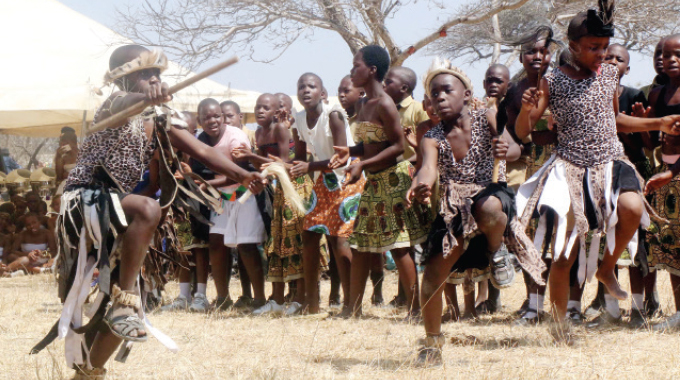
“The commemorations are meant to bring the nation together. Our intention is to ensure people sing and dance, feast on meat, and dress in traditional attire such as hides. We will teach attendees about traditional dances and songs, aiming to pass on our culture to the younger generation. We are not going to be speechifying but mainly showcasing our cultures,” said Gama.
He expressed satisfaction with the cultural awakening occurring within communities after over two decades of King Mzilikazi Day commemorations. Gama noted that when the annual celebrations began, communities were hesitant to wear traditional gear, but there is now an increase in cultural consciousness, with traditional wear becoming mainstream fashion.
Another MMCA official, Arnold Nkala, said today’s commemorations aim to promote social cohesion.
“As people in Matabeleland, we are diverse and, in line with King Mzilikazi’s legacy, we want everyone to be part of the commemorations. Globally, Mzilikazi accepted missionaries, leading to the establishment of the London Mission Society in Inyathi.
‘We are inviting the whole world to join us in celebrating his legacy. We are inviting Zimbabweans from across the divide to be part of us,” said Nkala.—@nqotshili


 Bongani Ndlovu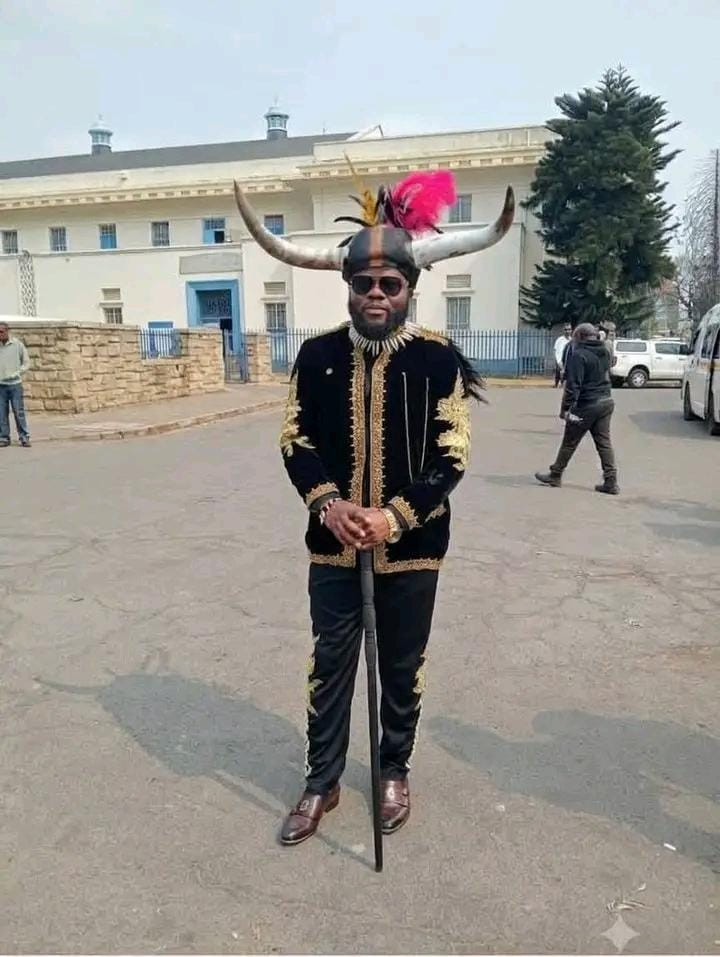
 Online Reporter