Chronicle Editor
Loss of land
Both the Shona and the Ndebele people lost their land to the whites. ln Matabeleland, the Europeans who fought against the Ndebele in 1893 were promised farms. After the war, the white seized African lands.
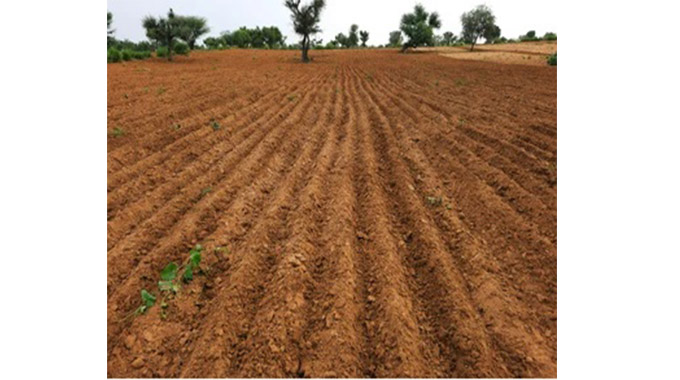
In 1894 a commission created the Gwayi and Shangani reserves for the local people. Those who did not move to the reserves remained full-time labourers of the white settlers or became squatters. The reserves were hot, dry and Tsetse Fly infested. The soils were sandy and the Ndebele regarded them as graveyards because of the infertility of the soils.
Loss of cattle
The local people also lost their livestock to the whites .Cattle were very important in the Ndebele and Shona societies. In Matabeleland after the defeat of the Ndebele, the British South Africa Company stole and took large numbers of Ndebele cattle. All the king’s cattle were taken by the BSAC and they took about 250 000 cattle. The taking away of the cattle angered the Ndebele and the Shona as it was their source of wealth.

Forced labour
The settlers were capitalists who came into the country to make profits from farming and mining. The most important resource was labour and this was cheap African labour. The settlers sent patrols to the country side to raid for workers. Therefore the Ndebele and Shona did not like being forced to work. Furthermore, they received very low wages and quite often, none at all.
Hut tax
In 1894 a hut tax was introduced. This was meant to force Africans to go and work in order to get money to pay tax and this in turn, could solve labour problems for the whites. A tax of ten shillings was imposed on anyone who had a hut of his own. The Africans who failed to pay the money had their cattle, goats, sheep or crops forcefully taken by the BSAC for non-compliance.
Use of locals as police
In Matabeleland, the Ndebele complained about the treatment by the Shona speaking police. The Ndebele felt humiliated by the use of the locals as they once regarded the Shonas as their subjects.
The police were illiterate, untrained and wanted to demonstrate that they had power in their hands.
Need to choose a king
The BSAC did not want a new Ndebele king who would lead and unite his people against the settlers. The indunas who called meetings to discuss the issue of a new king were punished. Therefore the Ndebele hated the settlers for refusing them a new king.
Natural disasters 1895/6
In 1895 and 1896 swarms of locusts invaded the country and destroyed crops. An unknown cattle disease called Rinderpest also killed cattle.
The ancestral spirits blamed drought, locusts and rinderpest on the misbehaviour of the Europeans and their agents. Therefore, the settlers had to be removed by force.
Abuse
There was a general physical abuse of Africans in the country e.g. sjambocking in public for petty and trivial reasons.
λ Dr Manners Msongelwa is the president of History Teachers of Zimbabwe and a history teacher at Camelot College in Kwekwe.


 Online Reporter