Online Reporter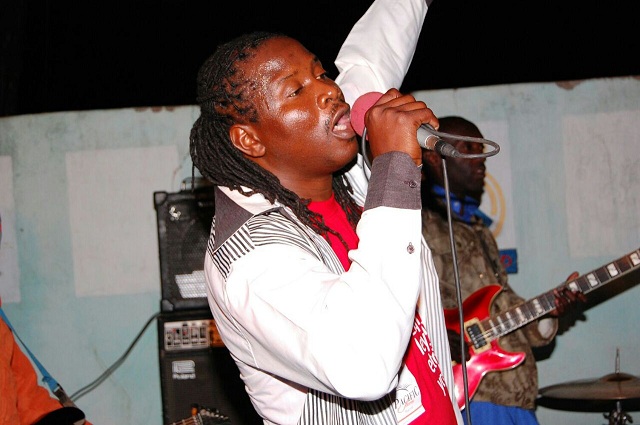
Mbulelo Mpofu [email protected]
AFRO-CLASSIC jazz singer Mkhiwa Omhle is using the power of music to try and heal one of Tshibilika music’s longest-standing divisions. Through his latest song, Okuhlul’amadoda Kuyabikwa, the Bulawayo-based artiste is appealing to Ndolwane Super Sounds founders Martin “The Big Boss” Sibanda and Charles Ndebele to put their differences behind them and reunite for the good of the genre they helped build.
For years, fans of Tshibilika music have watched from a distance as two of the genre’s most influential figures followed separate paths. Now, Mkhiwa Omhle believes music itself could help bridge the gap.
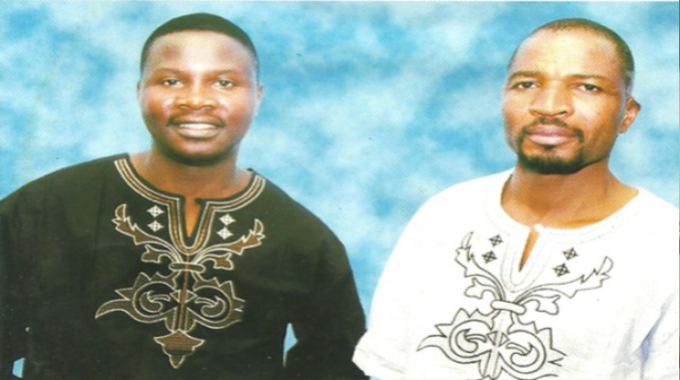
Born Zibusiso Sobrique’nt Ncube, the singer has dedicated his new song to encouraging reconciliation between the two veterans whose partnership helped shape one of Matabeleland’s most celebrated musical groups.
The title Okuhlul’amadoda Kuyabikwa loosely translates to a situation becoming serious enough to require intervention from others. For Mkhiwa Omhle, the song serves as a respectful appeal to both musicians to bury the hatchet and consider working together once again.
Ndolwane Super Sounds was one of the biggest names in Tshibilika music before the group split in 2011. Following the separation, Charles Ndebele formed Ndolwane Super Sounds Amangwe Part 1, while Martin Sibanda remained with Ndolwane Super Sounds.
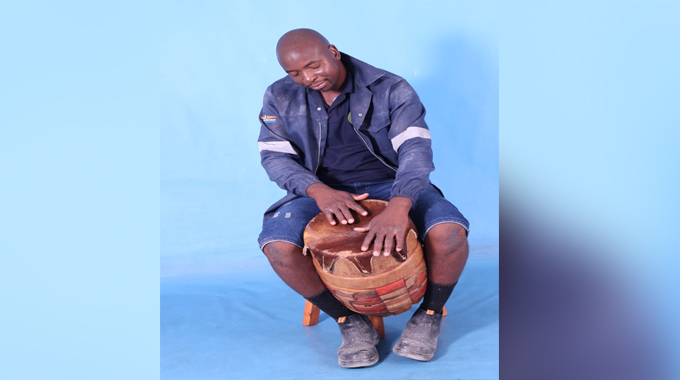
Although the reasons behind the split were never publicly presented as a feud, many music lovers viewed it as the end of an era. The group had played a significant role in popularising Tshibilika music and building a loyal fan base across the country.
Rather than debating what caused the separation, Mkhiwa Omhle has chosen a different approach.
He is letting the music do the talking.
“I haven’t spoken to them (Martin Sibanda and Charles Ndebele) face to face but they know the song and they are aware of the song,” he said.
While he has not personally brought the two men together, his song has sparked a conversation among fans and musicians alike.
For the singer, the matter goes beyond two individuals. He sees it as an opportunity to protect and preserve a musical legacy that has inspired generations of performers.
A reunion between Sibanda and Ndebele would carry great significance within Tshibilika circles, particularly at a time when younger musicians are increasingly drawing inspiration from the pioneers who laid the foundation for the genre.
Mkhiwa Omhle is among those musicians.
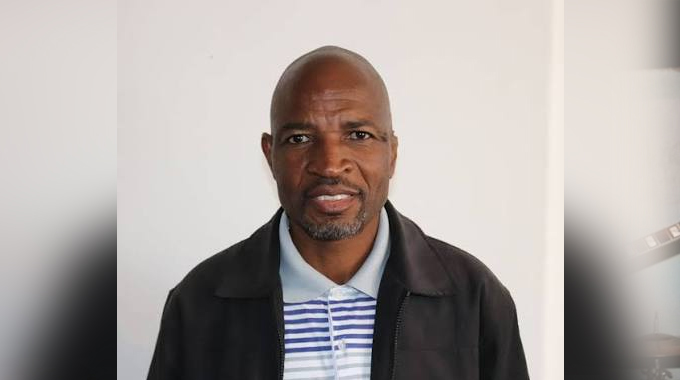
His growing catalogue reflects a strong connection to Matabeleland’s musical heritage. His albums Golide (2023), Intothoviyane (2024) and the recently released Ngokuntulo (2026) all draw from the sounds, culture and personalities that have shaped the region’s identity.
His debut album, Golide, was inspired by the totem of music legend Lovemore Majaivana and served as a tribute to the veteran’s contribution to Zimbabwean music.
His latest project, Ngokuntulo, continues that celebration of culture and heritage while addressing everyday social issues affecting ordinary people.
“Ngokuntulo is more Cultural and carry heavy Matabeleland sound that reminds someone of Lovemore Majaivana and The Jobs Combination, as well as Fanyana Dube not forgetting the legendary George Sibanda. It focuses more on human and social life, rebuking, appealing as well as teaching,” he said.
The same philosophy is evident in his call for reconciliation.
To Mkhiwa Omhle, music is not just entertainment. It is a tool for teaching, correcting mistakes and bringing people together.
“We always focus on daily lives and making them better,” he said.
That belief lies at the heart of Okuhlul’amadoda Kuyabikwa. The song is not simply a nostalgic reflection on the past. It is a call for unity and a reminder of what experienced musicians can still achieve when they work together.
His belief in collaboration has also been strengthened by personal experience.
On his latest album, Mkhiwa Omhle worked with respected musician Jeys Marabini on the track Izidakamizwa. He says the experience left a lasting impression.
“Jeys is a legend, and him coming closer to me was a blessing, old but very humble, mature and still able to take advice. To me, Jeys is the next big Bulawayo giant.”
The collaboration reinforced his view that musicians from different generations can learn from each other and create meaningful work together.
It is a philosophy that underpins his appeal to the Ndolwane founders. In his view, the future of Matabeleland music can only benefit when the past and present are connected rather than divided.
While his music career is beginning to take him beyond Zimbabwe’s borders, including a recent appearance at the inaugural Afro Music Festival in Johannesburg, Mkhiwa Omhle remains firmly rooted in Matabeleland.
Born in Mbomanzi in Lower Gweru and raised in Emakhandeni, Bulawayo, he continues to draw inspiration from his culture, heritage and upbringing. Even his stage name reflects those roots, having been inherited from his grandfather, Chief Mkhiwa.
For that reason, his campaign for a Ndolwane reunion is about more than music. It is about protecting a cultural inheritance that he believes should not be allowed to fade or remain divided.
Whether Martin Sibanda and Charles Ndebele will eventually respond to the appeal remains unclear. What is certain, however, is that Mkhiwa Omhle has reignited a conversation many thought had long gone quiet.
And in the world of music, every reunion starts with a single note.
If his message succeeds, a reunion between two of Tshibilika’s most respected figures could become more than a musical comeback. It could be a powerful statement about forgiveness, legacy and the enduring ability of music to bring people together.