Online Reporter
Mashudu Mambo, Features Writer
Despite living in a world that strives for inclusivity, the educational experiences of hearing-impaired students remain a stark reminder of the systemic barriers they face.
Prince Gongwe (25), a hearing-impaired student, shares his harrowing journey of struggle and isolation in primary school due to the lack of sign language educators.
His story echoes the sentiments of many hearing-impaired students who have encountered similar challenges, underscoring the necessity of individualised education plans tailored to meet the unique needs of these learners.
“I struggled in primary school; most teachers didn’t know sign language, and this made it hard for me to understand the different subjects. Although they tried several things, like talking and writing on the board, I was left behind because there was no one to interpret for me.
“I felt lost, confused and lonely in class, and in most cases I had to copy notes without understanding the concepts. My classmates didn’t include me in many activities while the teachers ignored my needs,” he said.
Prince said his life changed when he went to a college that offered sign language.
“My story changed when I finally moved to the Deaf Association College. This is where I was taught sign language and had several sign language interpreters. I felt understood, I could ask questions, respond to questions being asked by the teacher, and I enjoyed my lectures.
“It was at this point that I realised that sign language is important and without interpreters or trained teachers, deaf students will continue to suffer in silence,” he said.
Prince’s case highlights the plight of many hearing-impaired students who suffer in a number of schools due to the lack of sign language teachers and interpreters.
The World Federation of the Deaf estimates that over 70 million hearing-impaired individuals exist globally, with more than 80 percent from developing countries. A staggering 34 million hearing-impaired children worldwide begin school without any foundational language skills, largely due to insufficient early language support.
In Zimbabwe, legislation recognises Zimbabwean Sign Language (ZSL) as an official language, and the Ministry of Primary and Secondary Education (MoPSE) is developing a syllabus to include it as a standalone subject.
Many hearing-impaired students continue to be deprived of quality education because of a lack of trained professionals in conventional schools.
Ms Samantha Mushore, a teacher who specialises in teaching hearing-impaired students, highlights the setbacks faced by those transitioning from schools without sign language lessons.
“We have a challenge with students who come from conventional schools that don’t offer sign language, especially if they come for secondary education. There are cases where some students are forced to repeat some grades because of their level of knowledge.
“In most cases, we would have to first teach them sign language from scratch and ensure that they are now knowledgeable enough to proceed to high school.
“Our students have a longer academic year, which is about one year and six months and in cases where one has to repeat, this becomes a huge setback for them,” said Ms Mushore.
She urged parents to play an active role in ensuring that their children have sign language teachers and interpreters.
“Parents with deaf children need to play an active role in ensuring that their children have sign language teachers in these conventional schools, and this can be done through the school development committees.
“There are cases where you find a parent with a deaf child failing to speak in sign language, which makes it hard for the child to communicate at home and in school,” she said.
Community-Based Rehabilitation Focal Person for Deaf Zimbabwe Trust, Miss Mirirai Nyabvure, said there is a need for individualised education plans to ensure that students get specific requirements based on their needs.
“Individualised education plans address the unique learning needs and goals specific to the student’s condition and ensure that they have some access to appropriate accommodation, modification and support services.
“The different plans facilitate the communication between parents, teachers and other stakeholders as they allow the student to be in a position to express themselves. These enable the deaf students to participate and reach their full potential in the educational environment,” she said.
Miss Nyabvure urged society to desist from perpetuating stereotypes that say hearing-impaired students must be limited to vocational training.
“Parents have a critical role to play in encouraging independence, self-advocacy and self-esteem. There is a need for society to desist from limiting deaf students to vocational work; there is a need to give these children equal opportunities and allow them to choose their own paths like every other person,” she said.
Sign language teacher and interpreter, Mr Brian Gondo, said individualised educational plans are essential in addressing communication barriers and tracking performance rates.
“The absence of sign language teachers in schools violates the linguistic rights of deaf learners, leading to high dropout rates. We need a paradigm shift; every school must have trained sign language interpreters to bridge this educational gap.
“The lack of sign language teachers and interpreters is a significant barrier that must be addressed if we’re to reduce the dropout rates among deaf students. Sign language has to be taught in every school,” he said.
Mr Gondo said the integration of assistive technologies, such as visual aids and video lessons, to enhance the learning experience for hearing-impaired students is critical.
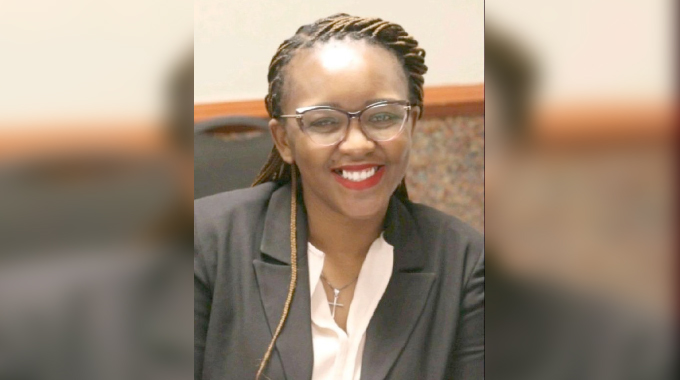
“There is a need for schools to invest in assistive technologies and collaborate with several organisations that advocate for deaf rights to ensure that they craft policies that include deaf individuals across various sectors,” he said.
Director of Communications and Advocacy in the Ministry of Primary and Secondary Education, Mr Taungana Ndoro, said the ministry promotes inclusive education for all students and caters to people with disabilities.
“The ministry has many strategies in place to ensure that it provides inclusive education for all people in society. We have also introduced sign language within our heritage-based curriculum.
“It’s not just sign language that is being done by those with hearing impairments, but it’s also being done by all the teachers and students to ensure that they’re all able to communicate with pupils with hearing impairments,” he said.
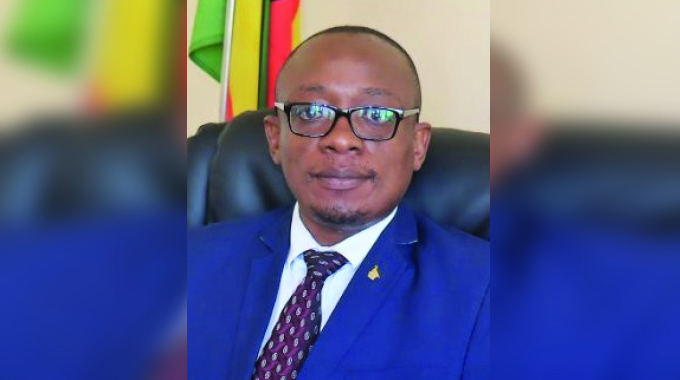
Mr Ndoro said several progressive schools have adopted the teaching of sign language as a way of preparing themselves for cases when they admit students with hearing impairments.
“It’s not every school that has sign language; however, our progressive schools have started it, even though they don’t have students with hearing impairments. It is so that they’re well equipped in cases where they come across students with hearing impairments,” he said.