


 Online Reporter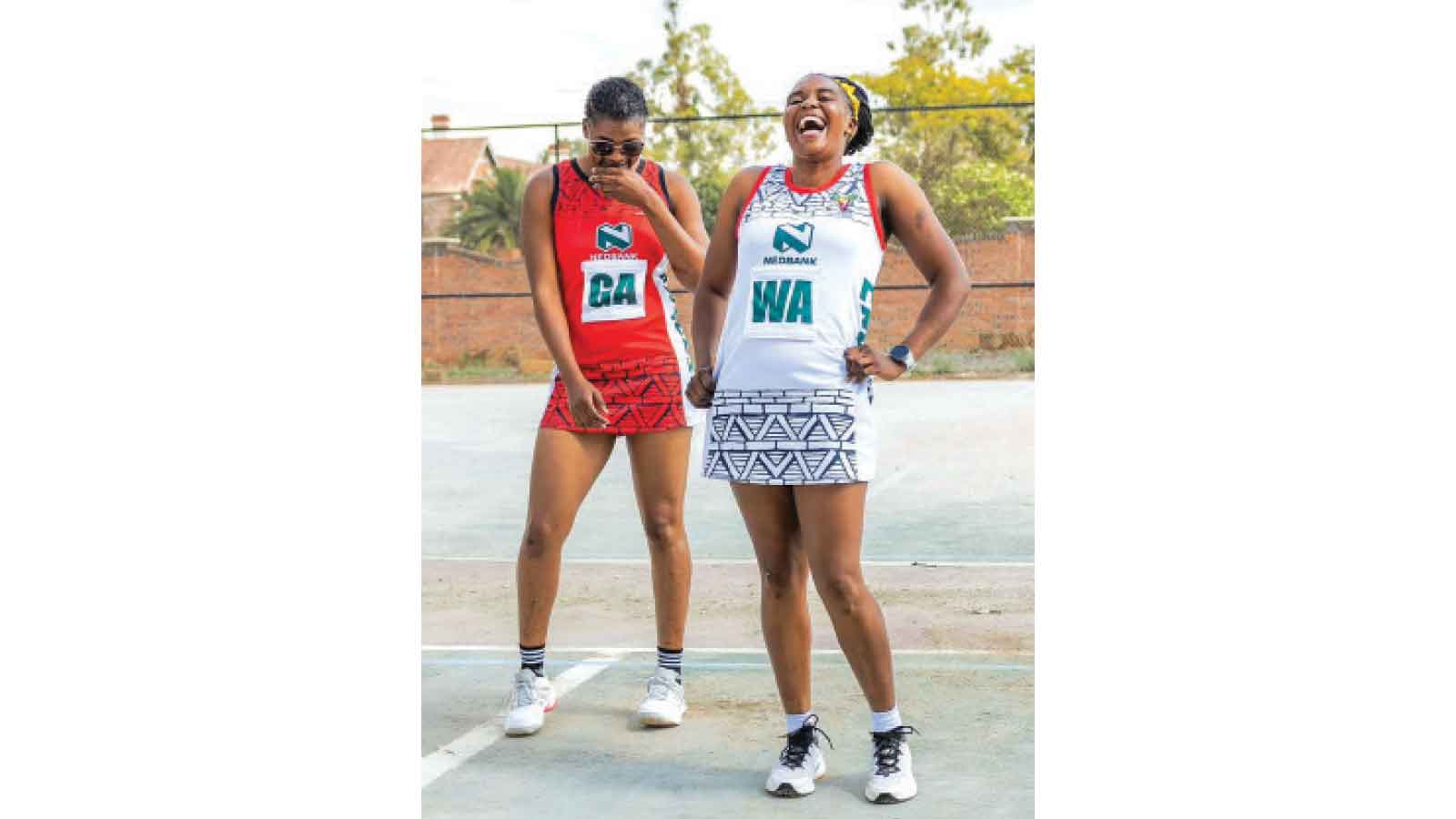
Veronica Gwaze-Zimpapers Sports Hub
Progress MOYO still remembers the first time she walked back onto a netball court after giving birth.
Not because she had trained well.
Not because she suddenly felt fit again. It was because, for the first time in months, she finally felt like herself.
“I honestly thought I was losing my mind,” she says quietly.
The Zimbabwe international speaks openly now, but there was nothing easy about the battle she faced after giving birth to twin girls in January last year. What began as exhaustion slowly turned into something darker.
There were sleepless nights, emotional breakdowns, withdrawal from people around her and moments where even getting through the day felt impossible.
To outsiders, she looked fine — newly married, a first-time mother and one of Zimbabwe’s recognisable netball figures. Inside, she was breaking.
“They thought I was coping, but I had struggled for weeks without anyone noticing,” Moyo recalls.
“I felt lost.
“Caring for two babies became overwhelming and I could no longer recognise myself. Sometimes I would just cry because I missed the old me.”
Doctors call it postpartum depression, a condition that affects women after childbirth and can trigger intense anxiety, emotional detachment, mood swings and depression. In Zimbabwe, it remains one of the least discussed mental health struggles despite growing numbers.
The Ministry of Health and Child Care estimates that nearly 30 percent of mothers in the country experience some form of postpartum depression, with poverty, social pressure and lack of support among the major causes.
For Moyo, the silence around it nearly became as dangerous as the condition itself. She tried to carry on normally, convincing herself it would pass, but it did not.
“For weeks, I could not eat properly or sleep properly,” she says.
“It eventually started affecting even the children. My mother and mother-in-law would help me with the babies, but mentally I was not getting better.”
Ironically, her rescue eventually came from the same sport that had shaped most of her life — netball.
The relationship between Moyo and the game stretches back to Mwenezi High School in 2009 when she first started playing as a teenager.
At the time, it was simply another school activity. Then the sport opened doors she never expected.
A scholarship followed in 2011 and suddenly netball became more than recreation; it became opportunity.
By the time she completed A-Level, Moyo had already started building a name for herself nationally.
Her rise accelerated after joining Glow Petroleum Queens under the guidance of Perpetua Siyachitema and Sam Masvaure before later moving to Platinum Queens.
There, she developed into one of the country’s standout wing attackers. The 2018 season confirmed it.
Moyo dominated both at club and league levels, collecting multiple Player of the Match awards before ending the campaign as Player of the Year for both Platinum Queens and the Rainbow Amateur Netball League.
The following year was marked by a breakthrough that many Zimbabwean netball players dream about — the 2019 Netball World Cup in Liverpool. Zimbabwe’s Gems shocked many by finishing eighth on their debut at the global tournament. Moyo was part of that historic squad that suddenly turned local netballers into national talking points.
But sport has never moved in straight lines. The Covid-19 break disrupted careers across disciplines, and Moyo’s journey also drifted badly off course. When she returned to competitive netball in 2022, confidence had disappeared.
Fitness had dropped and her weight had increased. The same player once capable of dominating matches now struggled to finish games.
“I had given up,” she admits.
“People were gossiping about me and some of the stories reached me.
That affected me a lot.”
For many athletes, that becomes the point where careers quietly fade away.
For Moyo, it became another turning point and instead of walking away, she rebuilt. She threw herself into intense fitness programmes, extended training sessions and eventually qualified as a fitness trainer herself. Slowly, the old player returned.
Then came another reminder of her quality.
At the 2023 Netball World Cup in South Africa, Moyo emerged among the tournament’s leading pass feeders, competing statistically alongside players from Australia, Jamaica, Uganda, Malawi and Wales. Zimbabwe struggled overall, finishing 13th, but Moyo walked away as one of the Gems’ strongest performers.
Soon after, she stepped away again for maternity. This time the battle waiting for her would not be physical.“A few months after giving birth, I started training from home, trying to lose weight,” she says.
“Physically, it looked like I was recovering, but mentally, I was struggling badly. I felt like I was no longer the same Progress Moyo people knew.”
The emotional attachment to her twins made recovery even harder.
Returning to training meant learning to spend time away from her children again, something she says became one of the biggest emotional tests during recovery.
“It became difficult to spend even an hour away from them,” she says.“My mother had to help me adjust slowly.”
Then came the conversation that changed everything. Her husband, Ritchie Chigumba, encouraged her to return to the court. At first it was simply about exercise and routine.
Then something shifted.“The first day I went back onto the netball court, I felt relief,” she says.
“I started feeling whole again.”The sessions became therapy and the court became recovery space.
The player who once thought her career and identity were collapsing slowly found herself again through the game.
Barely six months later, Moyo is back in the national team setup and playing for Harare City Queens.
She is currently in South Africa captaining Zambezi Eagles in the Telkom Netball League while targeting another major milestone — becoming one of the few Zimbabwean players to appear at three successive World Cups.
“I want to be part of that history,” she says. “But now I understand I have to work twice as hard because I am balancing being a wife, mother and athlete.”
Yet the biggest thing driving her now sits beyond trophies or national team call-ups. Moyo wants to confront the silence around postpartum depression in sport. Too many athletes, she believes, are suffering quietly.
That has pushed her towards launching an organisation focused on helping athletes and mothers battling postpartum depression through counselling, medical partnerships and support systems.
“I realised we do not talk about postpartum depression enough,” she says.
“Many women are struggling silently and I want to create a platform where they can get help without shame.”
The project is still taking shape, with Moyo currently searching for sponsors, psychologists and healthcare partners willing to come on board.
For her, the issue is now personal.
She knows how dangerous silence can become and also how recovery can sometimes begin in unexpected places.



